
Comprehensive Guide to Different Types of Kitchen Ranges and How to Choose the Best One for Your Home
Discover the essential types of kitchen ranges available today—electric smooth top, induction, coil, gas, and pro-style models. Learn how to choose the perfect range for your culinary needs, budget, and kitchen design with expert tips and insights, ensuring you make an informed investment that enhances your cooking experience and home value.
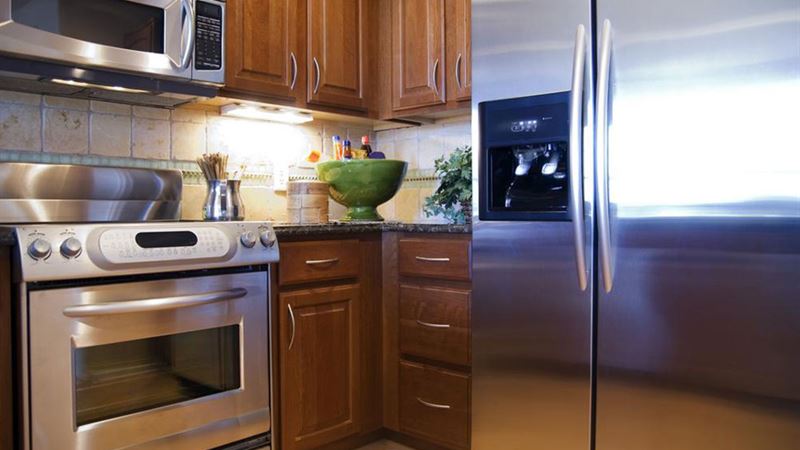
Choosing a kitchen range involves evaluating several factors, including fuel type, design, features, and price. In this comprehensive guide, we'll explore the most popular kinds of ranges on the market today, discuss their advantages and disadvantages, and provide tips on what to consider before making a purchase.
- Electric Smooth Top Ranges
- Electric Induction Ranges
- Traditional Electric Coil Ranges
- Gas and Dual-Fuel Ranges
- Pro-Style Ranges
- Key Considerations for Buying a Kitchen Range
Speaking of affordability and reliability, electric smooth top ranges are among the most popular options for modern kitchens. These ranges feature a sleek, flat glass or ceramic surface that simplifies cleaning and offers a contemporary look. They are known for their consistent heating performance and ease of use, making them an excellent choice for budget-conscious consumers who do not want to compromise on quality. The smooth surface eliminates traditional coil elements, providing a seamless cooktop area that minimizes dirt and grime accumulation.
Induction ranges are rapidly gaining popularity owing to their efficiency and safety features. They operate using electromagnetic fields to directly heat pots and pans, meaning the cooktops themselves stay relatively cool, reducing the risk of burns. These ranges offer precise temperature control, quick heating, and energy savings. They are ideal for modern kitchens where culinary precision and energy efficiency are priorities. From boiling water swiftly to simmering delicate sauces, induction ranges deliver excellent performance.
Electric coil ranges, while slightly older in design, still provide reliable performance at an affordable price point. They feature exposed heating coils that can sometimes be adjusted for temperature control. Many models come with a self-cleaning oven, which simplifies maintenance. These ranges are particularly valued for their durability and affordable repairs, making them suitable for families or households looking for a functional yet economical appliance. Broiling is also efficient with coil ranges, adding to their appeal.
For those who prefer traditional cooking methods, gas ranges remain a top choice. They provide instant heat and precise flame control, making them perfect for sautéing, frying, and simmering. Dual-fuel ranges combine a gas cooktop with an electric oven, offering the best of both worlds—rapid, adjustable heat at the burners and consistent baking performance in the oven. These ranges are favored by professional chefs and serious home cooks. Their robust burners heat evenly, and the oven delivers perfect baking and roasting results, complemented by features like broiling and self-cleaning options.
Designed with aesthetics and high performance in mind, pro-style ranges boast a bold, professional-grade appearance. They often feature large burners, heavy-duty grates, and premium materials such as stainless steel. Although typically more expensive, these ranges provide exceptional cooking power and visual appeal, making them a centerpiece in the kitchen. Some models may have compact ovens and lack certain features like self-cleaning, so it’s essential to compare specifications. Pro-style ranges are ideal for homeowners aspiring to a professional kitchen look combined with high functionality.
When selecting a range, several factors must be carefully evaluated to ensure you choose the right appliance for your needs. First, consider the fuel source—electric, gas, or dual-fuel—based on your cooking habits and existing kitchen setup. Second, determine the size and configuration: single or double oven, cooktop layout, and overall dimensions. Third, examine features such as self-cleaning, convection cooking, temperature control precision, and additional functionalities like griddles or warming drawers.
Price comparison is essential. Many vendors offer similar products at different rates, making it vital to research multiple sources and read customer reviews. Going through product ratings can provide valuable insights into reliability and performance. Also, look for warranties and after-sales service options. Investing in a high-quality range ensures longevity and minimal maintenance costs over time.
In summary, choosing the right kitchen range involves balancing your culinary needs, aesthetic preferences, and budget constraints. Whether you opt for an electric smooth top, induction, coil, gas, or pro-style range, understanding their features and benefits helps you make a confident decision that will enhance your cooking experience and add value to your home.