
A Comprehensive Look into the Historical Transformation of Kitchen Spaces
Explore the fascinating history of kitchen evolution, from smoky, utilitarian spaces to modern, stylish hubs of family life. Discover technological milestones like chimneys and innovative cookware, and understand how cultural and technological advances reshaped the heart of the home over centuries. This comprehensive overview highlights the journey of kitchen design and function, offering insights into the innovations that have made kitchens more comfortable, efficient, and inviting today.
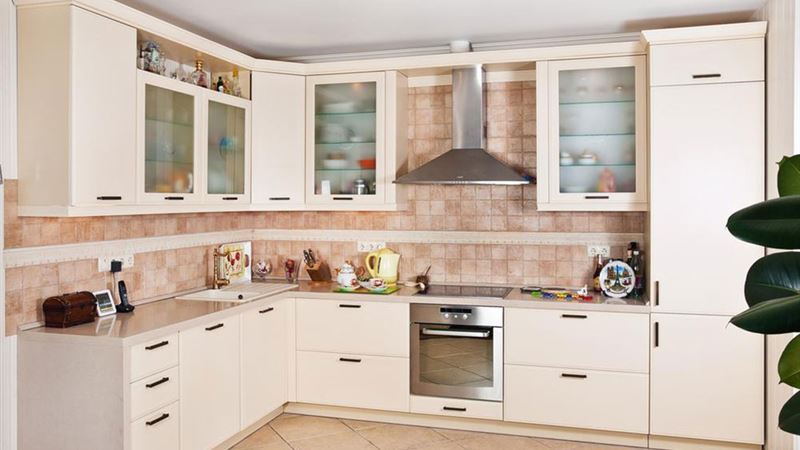
Historically, kitchens have undergone significant changes from their origins as purely functional zones to the modern, inviting heart of the home. In past centuries, kitchens were primarily utilitarian environments designed solely for cooking and food preparation, often reflecting stark practicality rather than comfort or aesthetics. Unlike today’s warm, welcoming spaces filled with appliances and cozy decor, ancient kitchens were often hot, smoky, and bustling with activity, especially before technological advancements revolutionized their design and function.
In earlier eras, especially prior to the 20th century, kitchens were frequently located at the back or out of sight within a house to isolate odors, smoke, and noises from entertaining areas. Wealthier households featured large, well-equipped kitchens staffed by cooks and assistants, capable of preparing elaborate banquets. Conversely, lower-income homes had compact, minimal setups with basic tools. These kitchens were more like workshop spaces than comfortable family rooms, emphasizing function over form.
In colonial times and in many traditional societies, kitchens were often standalone structures separate from the main living quarters. This separation was practical, especially in rural or agrarian communities where butchering livestock and preserving food on-site was common. Such arrangements helped manage the mess, smell, and danger associated with open fires and livestock handling, reflecting a pragmatic approach to household management. Over time, these separate constructions evolved as household technology advanced.
The primary cookware used in early kitchens was traditionally made from natural materials such as terra cotta, stone, cast iron, and copper. These durable materials served well in open-hearth cooking setups. Cast iron and copper, in particular, were popular for their heat retention and conductivity. Until recent history, technological innovations had yet to introduce lighter and more efficient cookware materials, so antiquated methods persisted for centuries.
The cooking appliance in ancient kitchens was primarily an open hearth—an accessible, often central feature of early homes, where fires made from wood or coal were perpetually burning. People cooked by hanging pots or placing them directly on the flames. This arrangement necessitated constant attention and manual effort, but it also fostered a communal and often lively environment. Early versions of chimneys, emerging around the 12th century in England, gradually improved the safety and comfort of these kitchens by directing smoke outside the home. However, widespread chimney adoption took several more centuries to become standard in household kitchens, marking a significant technological milestone.
The advent of chimney technology was transformative. It drastically reduced indoor smoke and soot, making kitchens more hygienic and habitable. The cleaner environment allowed households to envision kitchens not only as workspaces but also as spaces where family members might gather comfortably. Subsequent innovations, including the introduction of enclosed stoves, improved utensils, and specialized cooking tools, further evolved the kitchen into a more efficient space. By the 19th and 20th centuries, the kitchen gradually transitioned from a utilitarian room to a central hub of family life—integral to home design and domestic comfort.
Today, kitchens are the epitome of modern convenience and aesthetics, featuring state-of-the-art appliances, ergonomic designs, and personalized decor. The evolution from smoky, utilitarian rooms to the bright, welcoming spaces we see now reflects centuries of technological progress and changing cultural values. Modern kitchens blend functionality with comfort and style, making them the favorite gathering place for families, friends, and guests. As smart technology continues to develop, the kitchen of the future promises to be even more integrated, efficient, and user-friendly, continuing the tradition of innovation rooted in centuries of kitchen evolution.