
Comprehensive Meal Guide to Lower Triglycerides Naturally
Discover a comprehensive meal plan designed to naturally lower triglyceride levels. This guide offers nutritious breakfast, lunch, and dinner options focusing on heart-healthy ingredients like seafood, vegetables, whole grains, and healthy fats. Incorporate these tasty yet low-fat recipes into your daily routine and watch triglyceride levels improve. Combining diet with regular exercise can significantly reduce heart disease risk, making this meal plan an essential part of a healthy lifestyle. Achieve your health goals by making smarter food choices tailored for triglyceride management today.
Enjoy a breakfast with two egg whites or plant-based egg substitutes. Incorporate vegetables such as tomatoes, spinach, onions, and mushrooms—about a cup in total. Drizzle with a tablespoon of olive oil or a small amount of fat-free margarine if you desire a flavorful touch. Pair this with whole wheat toast and add an orange for a vitamin C boost to kickstart your day.
Seafood aficionados can indulge in an ounce of smoked salmon alongside a whole grain bagel. Spread a teaspoon of low-fat or fat-free cream cheese, add fresh dill and capers to enhance flavor. Include a cup of melon for hydration, vitamins, and minerals—making your breakfast both tasty and nutritious.
Nutritious and Satisfying Lunch Ideas
Eating low-triglyceride meals doesn’t mean sacrificing flavor or variety. Here are some delicious options that keep your health goals on track.
- Mixed Salad with Vegetable Soup
Combine equal parts (about one cup each) of low-fat vegetable soup and fresh fruit and vegetable mixtures. Add two cups of leafy green salads—spinach, kale, or romaine—and include about five whole wheat crackers to add texture. Finish with a teaspoon of olive oil-based salad dressing for added flavor without excess fat.
Healthy Lunch Recipes
- Seafood Sandwich
This is an ideal lunch for fish lovers seeking low triglyceride foods. Use two ounces of tuna packed in water, layered between whole wheat bread slices with chopped onions, pickles, and slices of a medium apple. Spread a tablespoon of low-fat mayonnaise to create a creamy texture. Complement this with a fresh vegetable salad—carrots, tomatoes, peppers—dressed with olive oil for added nutrients and flavor. - Chinese-Inspired Protein Lunch
Sauté a cup of mixed vegetables along with an ounce of shrimp, chicken, or tofu in olive oil. Serve with half a cup of brown rice, wild rice, or whole wheat pasta for carbohydrates. Finish the meal with a cup of pineapple chunks for natural sweetness, vitamins, and minerals.
Light Dinner Suggestions
Since dinner is close to bedtime, opting for lighter, easy-to-digest meals can improve sleep quality and prevent discomfort. Avoid heavy calorie loads in the evening to prevent bloating and promote restful sleep.
- Protein and Vegetables
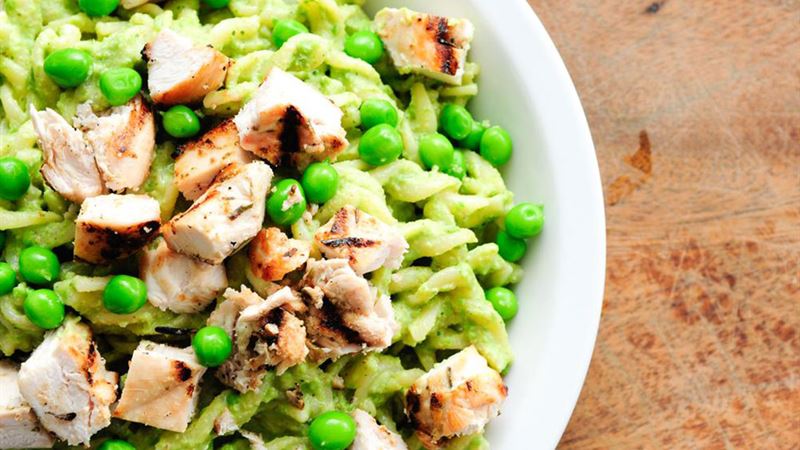
Include three ounces of grilled or broiled chicken breast. Accompany it with a baked sweet potato topped with a teaspoon of fat-free margarine, and a side of steamed vegetables such as broccoli and peppers rich in essential nutrients. For a sweet ending, indulge in half a cup of frozen yogurt or a non-fat pudding topped with crunchy pistachios—perfect for satisfying sweet cravings without loading up on fats. - Healthy Pasta Meal
Opt for a cup of whole wheat pasta or spaghetti squash mixed with fresh tomatoes and vegetables. Add 3.5 ounces of lean turkey, tofu, or another meat substitute according to your preference. Season with herbs like oregano, basil, or thyme, and sprinkle with a low-fat parmesan cheese. A glass of wine can complement this Italian-inspired dish nicely. - Seafood Dinner Option
For seafood lovers, a light fish-based dinner can be both satisfying and heart-healthy. Grilled or sautéed salmon or tuna, or broiled shrimp flavored with lemon juice or balsamic vinegar, served with a side of steamed asparagus makes an excellent choice. Add half a cup of wheat couscous cooked in mushroom broth along with sliced scallions. Finish with roasted tomatoes and a drizzle of olive oil for added depth of flavor.
Making mindful dietary changes can significantly impact triglyceride levels. Replacing your usual meals with these healthy alternatives not only aids in reducing triglycerides but also enhances overall wellness. Elevated triglyceride levels are common but can be managed effectively with proper diet, regular physical activity, and lifestyle modifications. Consistently choosing nutritious foods is a practical approach for long-term heart health and sustained energy levels. Implementing this meal plan can help you stay on track towards achieving optimal lipid profiles and reducing the risk of cardiovascular disease. Remember, small daily dietary adjustments can accumulate into substantial health benefits. Adopt a balanced, triglyceride-friendly diet today to improve your heart health and enjoy a more energetic lifestyle.