
Exploring Argentina's Numismatic Heritage: A Comprehensive Guide to Valuable Coins
Discover Argentina's rich numismatic history through a detailed exploration of iconic, rare, and commemorative coins. From colonial silver pieces to modern collectibles honoring historical figures like Eva Perón and bicentennial celebrations, each coin offers a unique glimpse into Argentina's cultural and economic journey. Learn about the factors influencing coin value, the significance of minting errors, and the artistry behind these miniature works of history. Perfect for collectors, historians, and enthusiasts eager to deepen their understanding of Argentine coinage and heritage.
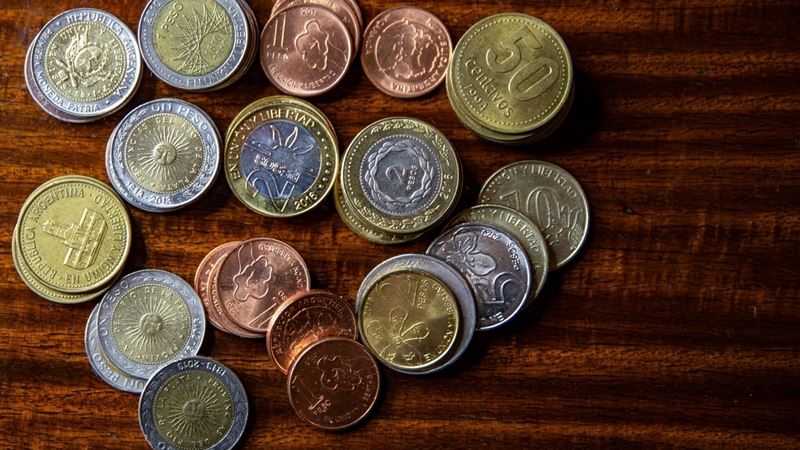
The Significance of Argentine Coins in Historical Context
Understanding the evolution of Argentina’s coins provides valuable insight into the nation’s historical trajectory. From colonial silver pieces to modern commemorative coins, each minting reflects a segment of Argentina’s political, economic, and social development. Collectors and historians alike appreciate that these coins serve as tangible links to past eras, embodying national identity, artistic trends, and technological progress in minting processes.
Key Antique and Modern Coins of Argentina
1. The Historic 8 Reales Silver Coin
The 8 Reales coin, often referred to as the “Spanish dollar” or “piece of eight,” holds a legendary status among numismatists. Minted during the Spanish colonial period, this coin was produced in various locations in the Americas, including what would become Argentina. Its significance lies in its consistent silver purity and widespread acceptance across international trade routes during the 17th and 18th centuries. The intricate design, which typically features the Spanish coat of arms, makes this coin highly sought after by collectors. Its historical importance as a global trade coin and its connection to the colonial era make it a prized collectible with increasing value over time.
The Introduction of the Peso Moneda Nacional
In 1881, Argentina introduced the Peso Moneda Nacional, marking a pivotal moment in its monetary history. These coins symbolized Argentina’s efforts to establish a stable and independent currency system. Made from silver and gold, these coins not only represented economic stability but also reflected national pride. Among these, the gold Argentino coin, weighing approximately 8 grams and bearing the Liberty head, remains a highly valued piece among collectors. Its importance transcends metal value, symbolizing Argentina's post-independence efforts to forge a new national identity and economic stability.
3. Commemorative Coins Featuring Eva Perón
Mid-20th century Argentina issued coins honoring prominent national figures, including Eva Perón, an influential social and political leader. The 5 Pesos coin minted in 1952, depicting her profile, captures her significance in Argentine history. These coins are esteemed not only for their artistic design but also for their emotional and historical value, connecting collectors with the legacy of a beloved figure who shaped Argentine social policy. The coins serve as enduring symbols of her enduring influence and dedication to social justice.
4. Bicentennial Commemorative Coins of 2010
The year 2010 marked the 200th anniversary of Argentina’s May Revolution, a landmark event that led to independence. To celebrate this historic milestone, the country issued a series of limited-edition commemorative coins. Among the most popular is the 2 Pesos silver coin, which features elaborate designs encapsulating iconic national symbols. These coins hold contemporary significance as they symbolize Argentina’s journey from its revolutionary beginnings to its modern identity. Due to limited production runs, they are highly desirable among collectors, often fetching premium prices at auctions.
5. Coins Known for Production Errors and Rarities
Like many countries, Argentina's coin production has occasionally produced rare error coins that captivate collectors. These minting mistakes, such as misprints or unusual variations, are especially valuable because of their rarity. For example, the 1974 1 Peso coin exists in varieties with different edge inscriptions, some mistakenly produced without decorative elements. These error coins are considered unique collectibles and often command higher prices due to their scarcity. Their existence adds an intriguing dimension to Argentine numismatics, offering insights into minting processes and the human element involved in coin production.
Factors Determining the Value of Argentine Coins
Several key factors influence the worth of Argentine coins, making the study of numismatics both fascinating and complex:
- Rarity: Coins issued in limited quantities or those that have survived in small numbers tend to be more valuable. The rarity can be due to limited mintages, historical events, or specific circumstances surrounding their issuance.
- Condition (Grade): The physical state of a coin is paramount. Well-preserved coins with minimal wear, original luster, and no damages are rated higher and fetch greater market prices.
- Historical Significance: Coins associated with major historical milestones, prominent figures, or significant events are more coveted, often reflecting national pride or historical importance.
- Material and Composition: Coins made from precious metals like gold or silver inherently possess intrinsic value based on their metallic content, besides their collectible appeal.
- Market Demand: The interests and preferences of collectors worldwide influence prices. Coins in high demand will generally command higher prices, especially if accompanied by a scarcity of similar pieces.
The diverse array of Argentine coins—from colonial issues to modern commemoratives—offers an exceptional window into the nation’s vibrant history. Collectors value these pieces for their artistic craftsmanship, historical significance, and rarity. Each coin encapsulates a unique story and reflects Argentina’s cultural evolution. Exploring Argentina's numismatics not only enhances understanding of the country's past but also provides a meaningful connection to its rich heritage and artistic traditions.
Whether a novice or seasoned collector, delving into Argentine coins reveals a fascinating blend of history, art, and monetary evolution. The collection continues to grow, engaging enthusiasts worldwide who prize these coins for both their monetary and historical worth. As Argentina’s numismatic legacy endures, these coins stand as enduring symbols of the country’s journey through centuries, all while serving as valuable assets for collectors and historians alike.