
Discovering the Most Valuable Coins in New Zealand: A Comprehensive Guide
Explore the rich history of New Zealand coins and banknotes, uncovering rare and valuable pieces. From 1879 pennies to historic banknotes and mint error coins, this comprehensive guide offers insights into their origins, significance, and how to sell them. Perfect for collectors and investors eager to deepen their knowledge of New Zealand's numismatic treasures, the article highlights key items that symbolize the nation’s cultural and historical legacy. Discover where to sell your old coins and how to evaluate their worth with expert advice and tips.
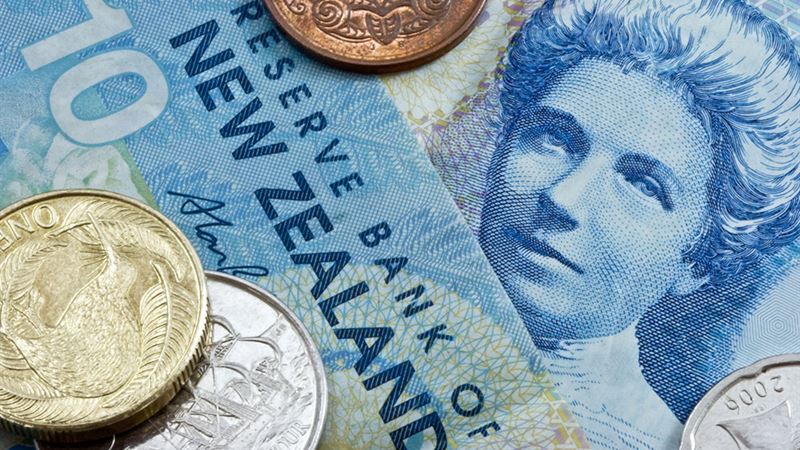
New Zealand's rich numismatic history offers a fascinating look into its past. From rare coins to historic banknotes, collectors and enthusiasts alike prize these artifacts for their historical significance and scarcity. In this article, we delve into the most valuable and sought-after coins and notes in New Zealand, exploring their origins, unique features, and what makes them so precious today.
Understanding the value of coins from New Zealand involves looking at their age, rarity, historical importance, and condition. Coins that have survived in pristine condition or are part of limited mintages are especially prized among collectors worldwide. With decades of coin production across different eras, New Zealand's numismatic collection is both diverse and deeply intriguing.
First, the 1879 New Zealand Penny stands out as a key collectible. Featuring Queen Victoria on the obverse and seated Britannia on the reverse, this coin symbolizes the country's colonial history. Despite its controversial history—due to aspects of its design and year of minting—it remains highly valued in numismatic circles, with some specimens fetching significant sums at auctions.
Next, historically significant banknotes before 1934, primarily those with denominations reaching up to 100 pounds, hold high collector value. These notes were issued by various local authorities prior to the establishment of the Reserve Bank of New Zealand, making each series unique and reflective of regional monetary policies of the time. Their scarcity today enhances their desirability among collectors seeking pieces of pre-central banking era New Zealand.
The Reserve Bank’s first series of banknotes, especially the 50-pound note featuring Māori Chief Tāwhiao, a prominent figure in local history, figures prominently among valuable currency. The depiction of a kiwi bird and the imposing Mitre Peak further enrich the series' cultural significance. Today, these banknotes are prized not just for their rarity but also as tangible symbols of New Zealand’s national identity.
The 1935 Waitangi Crown is another historic and valuable coin, crafted to commemorate the Treaty of Waitangi, signed in 1840—a foundational moment in New Zealand’s history. Struck at the British Royal Mint specifically for the Dominion of New Zealand, only a limited number of these coins exist today, making them highly sought after by collectors worldwide. Their small mintage significantly increases their value, especially among those interested in colonial-era memorabilia.
Rare banknotes with misprints are also highly prized. The 0/K prefix one-pound note, which was mistakenly printed with a misaligned prefix, has become a valuable collector’s item. Only twelve known notes with this error exist, and their rarity has driven up their market value into the thousands of dollars. Such misprints often turn into treasures, providing a glimpse into the printing process and the importance of precision in currency production.
Star notes, distinguished by a star (*) symbol, serve as replacements for damaged or misprinted notes. Over time, some star notes have gained collectible status due to their rarity and the historical context behind their issuance. These notes are particularly intriguing for enthusiasts who aim to acquire complete and historically significant currency sets.
The series featuring Queen Elizabeth II facing left on specific banknotes has also garnered attention. Among these, the $100 note with the queen facing left has become especially popular, significantly raising its market value. Collectors seek out these notes, appreciating both their aesthetic qualities and their rarity within the currency series.
In the realm of coins, the 1935 Threepence, featuring King George VI on the obverse and crossed patu symbols on the reverse, is a favorite for collectors due to its scarcity. Most of these coins were melted down after circulation, making surviving specimens rare and valuable.
The 1967 New Zealand Bahamas Mule is a notable mint error coin that has captivated numismatists. Its unique composition results from a mistake where the coin features the obverse of a Bahamas Island 5-cent piece and the reverse of a New Zealand 2-cent coin. Its limited circulation and rarity have propelled its value upward, making it a prized exhibit for collectors who specialize in error coins.
Furthermore, coins minted between 1933 and 1946 contain a significant amount of silver—about 50%—making them especially attractive to investors and collectors. These coins often have a higher intrinsic value than their face value due to their silver content, and they continue to be popular in buying and selling within the numismatic market.
If you possess old coins and wish to sell, you might wonder where to find buyers. Several options can help you sell your collection efficiently:
- Online marketplaces: Digital platforms are ideal for selling coins of various values. You can list your items with high-quality images and detailed descriptions, allowing broader reach and better control over pricing. Online sales can be especially profitable for coins with modest value but good condition.
- Coin dealers: Visiting professional coin dealers or numismatic shops is another effective route. These experts can evaluate your coins with an experienced eye, offering you appropriate prices and guidance. Many dealers are members of numismatic societies, which can help you authenticate and determine the worth of your collection.
- Reserve Bank of New Zealand: For more straightforward transactions involving lower-value notes and coins, the Reserve Bank in Wellington can be a suitable place. They may purchase certain currency items or direct you towards official channels for selling your currency.
In summary, New Zealand’s coinage and currency history are filled with rare and valuable pieces that tell stories of its colonial past, cultural heritage, and monetary evolution. Whether you are a collector, investor, or someone with inherited coins, understanding the importance and rarity of these items can enhance your collection’s value and significance. Always consider consulting with experts or reputable dealers to maximize the potential of your collection and ensure you get the best value in the market.