
Comprehensive Guide to Ozempic: Uses, Administration, and Storage
Ozempic® is an innovative injectable medication that significantly aids in managing type 2 diabetes by mimicking natural hormones that regulate blood sugar. Proper administration, storage, and understanding of its effects are crucial for safe and effective treatment. This comprehensive guide covers usage instructions, storage tips, and essential precautions to help patients optimize their diabetes care with Ozempic®.
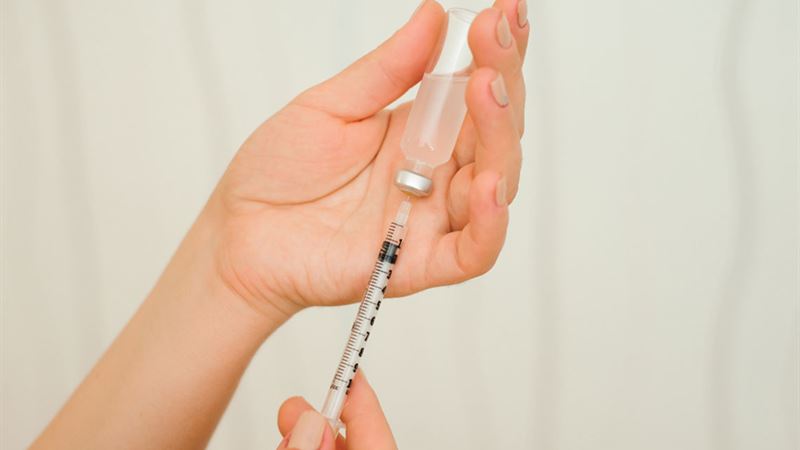
Millions worldwide struggle with managing type 2 diabetes, a chronic condition characterized by high blood sugar levels. While lifestyle modifications such as maintaining a healthy diet, engaging in regular physical activity, and monitoring blood glucose are fundamental, they often fall short over time. As the disease progresses, medication becomes essential. Among these treatments, Ozempic® has gained recognition as a potent injectable therapy for type 2 diabetes management. This medication, a glucagon-like peptide-1 (GLP-1) receptor agonist, offers a promising option when traditional therapies are inadequate.
Understanding the role of hormones in blood sugar regulation is crucial. Glucagon, a hormone produced by the pancreas, works to increase blood glucose levels by stimulating the release of stored glucose from the liver. Conversely, insulin lowers blood sugar by facilitating cellular uptake of glucose. In type 2 diabetes, this delicate hormonal balance is disrupted, leading to poor blood sugar control. Ozempic® mimics the action of natural GLP-1, enhancing insulin secretion in response to meals, suppressing glucagon release, and slowing gastric emptying. These combined effects help restore blood glucose levels to a healthier range.
Typically administered via an injection pen, Ozempic® provides an effective route for delivering this medication. The prefilled pen is designed for ease of use, but proper administration and storage are vital to ensure safety and efficacy. Here’s a detailed overview of how to use, store, and handle Ozempic® properly, along with important precautions for patients.
Proper Usage of Ozempic®
- Adherence to the prescribed dosage is paramount. Patients should follow the instructions provided by their healthcare provider meticulously. Doctors often tailor dosage based on patient response, weight changes, or blood glucose levels. Never alter the dose without medical consultation.
- Before administration, thoroughly review the medication guide, prescription label, and instructional leaflet. If any uncertainties or questions arise, consult your healthcare professional or pharmacist for clarification. Proper understanding prevents errors and optimizes treatment outcomes.
- Administer the injection subcutaneously, meaning under the skin. Usually, this involves the thigh, abdomen, or upper arm. It’s recommended that individuals who have received training perform the injections, but caregivers can also learn proper technique under supervision.
- Use different injection sites within the recommended areas to prevent skin irritation or lipodystrophy. Consistency in site rotation is essential.
- Never inject more or less than the recommended dose, and avoid prolonged use beyond the prescribed duration. Overuse or misuse can lead to adverse effects and diminish the medication’s effectiveness.
- If you notice any discoloration, cloudiness, or particles in the solution, discard the medication immediately. Do not use compromised solutions, as they may not provide the expected therapeutic benefits.
Storage Guidelines for Ozempic®
- Initially, store unopened Ozempic® pens in the refrigerator at a temperature between 36°F and 46°F (2°C to 8°C). Protect from freezing, as freezing can impair the medication’s integrity.
- Once opened, the injection pen can be kept at room temperature—up to 86°F (30°C)—for about 50 to 56 days. Always keep the pen capped when not in use to prevent contamination and drying out.
- Avoid exposing the medication to direct sunlight, excessive heat, or moisture, which can degrade the drug. Store it in a safe place away from children's reach.
- After each use, safely remove and dispose of the needle in a sharps container. Ensure that needles are replaced before each injection to maintain sterility and prevent clogging.
Critical Patient Considerations and Precautions
- Patients should be vigilant for signs of thyroid tumors, which include hoarseness, swelling or lumps in the neck, and difficulty swallowing. Seek medical attention if these symptoms occur following Ozempic® use.
- Ozempic® has been associated with pancreatitis in some cases. Should you experience persistent severe abdominal pain, nausea, or vomiting, discontinue medication immediately and consult your healthcare provider.
- Women who are pregnant, planning pregnancy, or breastfeeding must discuss potential risks with their doctors. The safety of Ozempic® during pregnancy has not been fully established yet.
- Initial treatment with Ozempic® often causes gastrointestinal side effects such as nausea, diarrhea, and constipation. These symptoms are typically temporary and tend to lessen over time as the body adjusts.
- Regular monitoring of blood sugar levels and routine check-ups are essential components of ongoing diabetes management with Ozempic®.