
Comprehensive Guide to Ozempic Dosage for Managing Type 2 Diabetes
This comprehensive guide explores all aspects of Ozempic® dosage, including initial doses, titration, timing, injection techniques, and precautions. Designed to help patients understand how to use Ozempic® effectively, it emphasizes safety, proper administration, and the importance of consulting healthcare providers for optimal diabetes management. Learn how this medication can improve blood sugar control, support weight loss, and contribute to overall health when used correctly under medical supervision.
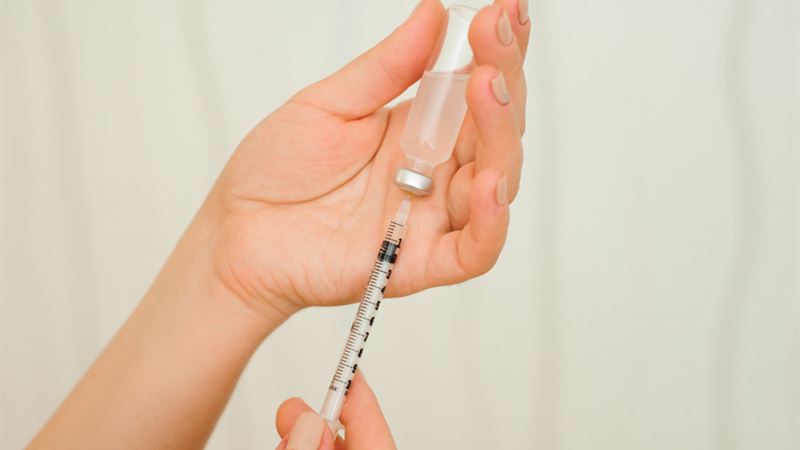
Managing blood sugar levels effectively is crucial for individuals living with type 2 diabetes. One of the most popular medications prescribed for this condition is Ozempic®, a potent glucagon-like peptide-1 (GLP-1) receptor agonist. Understanding the correct dosage, administration procedures, and timing can make a significant difference in treatment outcomes and overall health. In this comprehensive article, we delve deep into all aspects of Ozempic® dosage—covering starting doses, titration, proper injection techniques, timing, and essential precautions. Whether you've recently been prescribed Ozempic® or are looking for detailed information, this guide aims to provide clarity and empower patients to manage their condition more effectively.
Introduction to Ozempic® and Its Role in Diabetes Management
Ozempic® is an injectable medication that mimics the action of the natural hormone GLP-1. Its primary role is to regulate blood glucose levels by stimulating insulin secretion when blood sugar levels are high, and by reducing the secretion of glucagon—a hormone that raises blood sugar. Ozempic® offers significant benefits over traditional oral medications, including improved glycemic control, weight loss, and cardiovascular risk reduction.
Initial Dosing Guidelines for Ozempic®
When starting therapy with Ozempic®, healthcare providers typically recommend a low initial dose to minimize side effects and allow the body to adjust. The standard initial dosage is 0.25 mg once weekly. This initial dose is intended to activate the GLP-1 receptor pathways gradually. Patients should adhere to this starting dose for at least four weeks, which begins the process of lowering blood sugar levels. Although at this stage, significant reductions in blood glucose are not often observed, it lays the foundation for effective titration.
Titration and Dose Escalation
After four weeks of consistent use at 0.25 mg, healthcare providers assess the patient's response. If blood sugar levels are not optimally controlled, the physician may recommend increasing the dosage to 0.5 mg once weekly. This escalation is aimed at achieving better glycemic control without undue side effects.
In cases where even the 0.5 mg dose does not yield satisfactory control, a further increase to 1 mg per week may be advised. It is essential that dose adjustments are made based on the individual's response and tolerance. Importantly, healthcare providers generally do not recommend exceeding the 1 mg weekly dosage. The goal is to find the most effective dose with the least adverse effects, ensuring optimal patient safety.
Optimal Timing for Ozempic® Doses
One of the unique aspects of Ozempic® is its flexible administration schedule. Patients can choose any day of the week to take their medication, and there is no strict requirement regarding whether the dose should be before or after meals. This flexibility enhances adherence and convenience.
However, consistency in administration is key. Patients should select a specific day each week for their injections to establish a routine. If a dose is missed, it can be taken within five days, but if more than five days have passed, the missed dose should be skipped, and the next dose should be taken on the scheduled day. Changing the dose day is permissible, provided there is a minimum gap of two days between doses.
Proper Administration Techniques for Ozempic®
Proper injection technique is crucial to ensure medication effectiveness and minimize complications. The Ozempic® pen is designed for subcutaneous injections into specific areas, primarily the upper arm, abdomen, or thigh. Before administering the injection, carefully inspect the solution. It should appear clear, colorless, and free from particles. Should any discoloration or cloudiness be detected, the medication must be discarded, and a new pen used.
For safety, patients should never share their Ozempic® pen with others, as this increases the risk of infections. After each injection, dispose of the needle responsibly in a sharps container. When injecting into the same site regularly, it is advisable to rotate the specific spot within the area to prevent tissue damage or skin changes.
If using insulin alongside Ozempic®, injections into the same region are possible, but always with separate needles to prevent mixing. Maintain an adequate distance between injections to avoid local irritation or tissue injury.
Important Precautions and Discussions with Your Healthcare Provider
Before starting Ozempic®, it is essential to discuss your complete medical history with your healthcare provider. Patients with a history of diabetic retinopathy, pancreatic issues, kidney problems, or other significant health concerns should seek professional advice. Women who are pregnant, breastfeeding, or planning pregnancy should consult their doctor to evaluate the safety and timing of Ozempic® use.
While there is no concrete evidence that Ozempic® harms unborn babies, caution is advised, and women are typically advised to discontinue therapy at least two months before conception. Furthermore, Ozempic® is only suitable for managing type 2 diabetes and should not replace insulin therapy or be used in type 1 diabetes. Proper diet and regular exercise remain integral to managing diabetes effectively.
Finally, consistent communication with healthcare providers is vital. If there is any uncertainty regarding dosage adjustments, side effects, or overall treatment strategy, do not hesitate to seek professional guidance. Proper management ensures the safe and effective use of Ozempic® to achieve optimal health outcomes.
Conclusion
Understanding the correct dosage and administration of Ozempic® is critical for maximizing its benefits in managing type 2 diabetes. Starting with a low dose and gradually increasing based on individual response helps minimize side effects while optimizing glucose control. Flexibility in dosing schedule and proper injection techniques further enhance patient adherence. Always discuss your health history and concerns with your healthcare provider to ensure safe use. With proper management, Ozempic® can be a powerful tool in your diabetes treatment plan, helping you lead a healthier, more balanced life.