
Comprehensive Guide to Breast Cancer Treatment Options
This comprehensive guide explains the various breast cancer treatment options available, including localized and systemic therapies. It emphasizes the importance of a multidisciplinary team, personalized treatment planning, and the need for effective communication with healthcare providers. The article covers surgical procedures, radiation, chemotherapy, hormone therapy, targeted treatments, and special considerations for pregnant women. Understanding these options helps patients make informed decisions and understand the overall treatment process for breast cancer management.
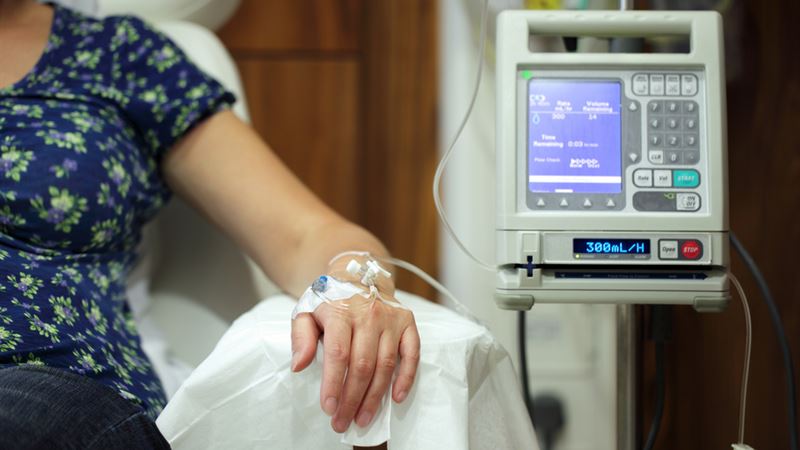
- Open communication with your healthcare provider is crucial when discussing treatment strategies. Selecting a physician who is empathetic, attentive, and well-versed in breast cancer management greatly benefits the patient’s journey towards recovery.
- Understanding both the objectives of treatment and potential side effects empowers patients and their families to make informed decisions regarding the most suitable therapeutic approach tailored to their specific conditions.
Assembling an Expert Care Team
- The choice of treatment team depends on the cancer’s type and progression. An multidisciplinary team ensures comprehensive care covering all aspects of the disease.
- Key specialists include:
- **Radiation Oncologist:** Specialized in administering radiation therapy to eliminate cancer cells and manage tumor growth.
- **Surgical Oncologist/Breast Surgeon:** Expert in performing surgeries like tumor excision, mastectomy, and reconstructive procedures.
- **Medical Oncologist:** Focuses on systemic treatments such as chemotherapy, hormone therapy, targeted therapy, and biological therapies.
- **Plastic Surgeon:** Provides reconstructive procedures to restore appearance and function after surgery.
- **Support Staff:** Includes psychologists, nurses, nurse practitioners, social workers, and counselors offering psychological and emotional support during treatment.
Localized Treatments for Breast Cancer
- Local therapies target the tumor and surrounding tissue without affecting the rest of the body. They are essential in controlling the primary disease and preventing recurrence.
- Methods include surgical removal, radiation therapy, and localized excision techniques such as lumpectomy or mastectomy.
- Biopsies and lymph node evaluations help determine the extent of disease and guide further treatment decisions.
- In cases with more advanced local disease, radiation therapy complements surgery to maximize tumor eradication.
- Proper local control is vital in reducing the risk of cancer returning and improving overall prognosis.
Systemic Treatments for Breast Cancer
- Patients with rapidly progressing or metastatic breast cancer require systemic therapies that target cancer cells throughout the entire body.
- These treatments include chemotherapy, hormone therapy, targeted drugs, and biological agents designed to interfere with cancer cell growth and division.
- Medications can be administered orally or via injections into the bloodstream, depending on the treatment plan and cancer severity.
- Often, combination therapies are employed, involving multiple drugs to improve efficacy and target different cancer pathways.
- While effective, systemic treatments may cause side effects such as fatigue, nausea, hair loss, or immune suppression. These effects usually subside after completing therapy.
Standard Treatment Strategies
- Choosing a treatment depends on the cancer’s specific type, stage, genetic markers, and patient health status.
- Personal preferences, lifestyle, and overall well-being influence the final treatment plan.
- Special considerations are necessary for pregnant women, requiring modifications to reduce risks to the fetus while effectively treating the mother.
- Regular monitoring through imaging, biopsies, and clinical exams guides ongoing therapy adjustments and measures success.