
Comprehensive Guide to Recognizing and Managing Low Blood Sugar Symptoms
This comprehensive guide explores the symptoms, severity levels, nighttime indicators, and prevention strategies for low blood sugar. Recognizing early signs like dizziness, hunger, and sweating can prevent dangerous complications such as seizures or unconsciousness. The article emphasizes the importance of regular blood sugar monitoring, timely intervention, and carrying emergency supplies like glucagon kits. It also provides practical tips for managing hypoglycemia during daily activities and sleep, ensuring safety for those at risk. Understanding these aspects is critical for effective hypoglycemia management and overall health maintenance.
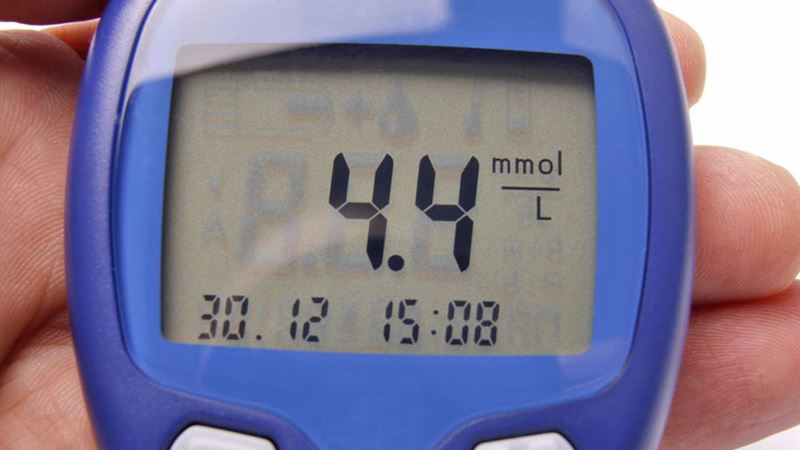
Understanding the Early Signs of Low Blood Glucose Levels
Recognizing the symptoms of hypoglycemia, commonly known as low blood sugar, is essential for timely intervention and preventing serious health complications. These early indicators often include feelings of confusion, dizziness, trembling, intense hunger, paleness, irritability, headaches, rapid heartbeat, and sweating. These symptoms serve as warning signals that the body’s glucose levels are falling below normal thresholds. If left unmanaged, hypoglycemia can escalate into more severe health issues, such as loss of coordination, numbness, fainting spells, vivid nightmares, or even coma. Therefore, understanding these initial signs is critical for people with risk factors, including diabetics or individuals with insulin sensitivity issues.
What Constitutes Mild Hypoglycemia?
When blood sugar levels dip below 70 mg/dL, it is typically classified as mild hypoglycemia. This level indicates that the body is experiencing a significant drop in glucose availability. Most children diagnosed with low blood sugar tend to fall into this mild category, displaying symptoms like sweating on the back of the neck, especially around the hairline, nervousness, muscle weakness, persistent hunger, nausea, rapid heartbeat, and feelings of anxiousness. Often, these symptoms can be alleviated quickly by consuming a sugar-rich food or beverage, restoring blood glucose levels to a safer range. Recognizing these signs early and acting promptly helps prevent progression to more dangerous stages of hypoglycemia.
Moderate Low Blood Sugar Levels and Their Symptoms
When blood glucose values decline below 40 mg/dL, the condition is considered to be moderate hypoglycemia. Symptoms at this stage become more pronounced and may include difficulty concentrating, inability to focus, muscle twitching, confusion, instability while walking, emotional fluctuations such as severe anger or depression, slurred speech, and a general sense of weakness or powerlessness. These signs indicate that the brain and nervous system are significantly affected by the lack of adequate glucose, underscoring the urgency of immediate treatment. People experiencing moderate hypoglycemia must seek rapid intervention to prevent deterioration into severe symptoms.
Severe Hypoglycemia and Emergency Symptoms
Blood glucose levels falling below 20 mg/dL represent severe hypoglycemia, which poses immediate life-threatening risks. At this critical stage, symptoms include seizures, loss of consciousness, coma, and even death if left untreated. Recognizing these signs early and acting swiftly is vital, as prolonged hypoglycemia can lead to irreversible brain damage or fatality. Patients at risk should carry emergency supplies such as glucagon kits and glucose tablets at all times. In case of an unconscious episode, administering an injection of glucagon is often necessary, and emergency services should be contacted immediately by dialing 911. It is crucial to avoid giving food or fluids to unconscious individuals as it may cause choking.
Nighttime Hypoglycemia and Its Indicators
Low blood sugar symptoms can also occur during sleep, often called nocturnal hypoglycemia. Patients may experience excessive sweating, restless movements, sleep disturbances, sleepwalking, abnormal sounds, or nightmares. Notably, waking up with a headache or feeling groggy in the morning may also suggest overnight hypoglycemia. These nighttime episodes can be subtle yet dangerous, requiring diligent monitoring and management to prevent dehydration or recurrent episodes.
Hypoglycemic Unawareness: A Hidden Danger
Some individuals develop hypoglycemic unawareness, losing the sensation of low blood sugar symptoms, which makes detection difficult and increases the risk of sudden unconsciousness. This condition is particularly dangerous for diabetics on insulin therapy or those with longstanding hypoglycemia episodes. People with hypoglycemic unawareness should regularly check their blood sugar levels, carry sugar supplies, and have emergency medications ready. It is recommended they inform close contacts or caregivers about their condition to ensure swift action during emergencies.
Strategies for Preventing Low Blood Sugar Episodes
Prevention is key to managing hypoglycemia effectively. Regularly monitoring blood glucose levels helps identify trends and allows timely adjustments in diet or medication. Consuming carbohydrate-rich snacks before physical activity or excursions mitigates the risk of drops in blood sugar. Eating meals at consistent intervals supports stable glucose levels. Carrying fast-acting carbohydrate sources like glucose tablets, candies, fruit juices, or honey ensures quick correction of low blood sugar episodes. It's advisable to keep about 15 grams of carbs handy—a few glucose tablets, half a cup of fruit juice, or a tablespoon of honey can significantly raise blood sugar levels quickly. Educating oneself and others about hypoglycemia signs and emergency responses is vital for safety.