
Mastering the Art of Barbecue and Grilling Techniques for Perfect Outdoor Cooking
This comprehensive guide explores the key differences between barbecue and grilling, highlighting their origins, techniques, tools, and flavors. Learn how to master slow-smoking methods for tender, flavorful meats or quick grilling for a fast, delicious meal. Discover popular recipes, seasoning tips, and best practices for outdoor cooking excellence, ensuring your next barbecue or grill session is a flavorful success. Perfect for both beginners and experienced cooks, this article elevates your understanding of outdoor culinary arts to create memorable, restaurant-quality dishes at home.
Outdoor cooking has long been a cherished tradition across cultures, with techniques that have evolved over centuries to produce mouthwatering flavors and tender textures. Central to this culinary art are the methods of barbecue and grilling—each with distinct processes, equipment, and flavor profiles. Understanding these techniques is key to elevating your outdoor culinary adventures, whether you're a seasoned grill master or just starting out. This comprehensive guide explores in-depth the origins, types, tools, and best practices of barbecue and grilling, providing you with the knowledge to create restaurant-quality dishes in your own backyard.
Charcoal and wood serve as primary heat sources in traditional outdoor cooking, and their choice significantly influences the flavor and aroma of the final dish. Different types of woods such as hickory, mesquite, apple, and cherry impart unique smoky notes, enhancing meats and vegetables alike. These woods can be used alone or combined to craft personalized flavors. While modern grilling sometimes uses gas or electric equipment for convenience, many enthusiasts still prefer the authenticity and depth of flavor that charcoal and wood provide. Exploring the nuances of these heat sources and their flavor contributions is essential to mastering outdoor cooking techniques.
In the realm of grilling, the focus is on quick, high-temperature cooking that is perfect for smaller food portions like steaks, chicken breasts, seafood, and vegetables. Grilling involves direct heat, generally from a flame or hot coals, which sears the surface of the food, creating a desirable crust while locking in juices. This process typically takes only 5 to 15 minutes, making it suitable for rapid meals and outdoor gatherings. The key to success in grilling is controlling temperature, timing, and seasoning, ensuring each item is cooked to perfection without burning or drying out.
Historically, humans began cooking food over open flames long before the advent of modern barbecue and grilling. Early civilizations used direct fire to cook meats and foraging foods, laying the groundwork for evolving cookery techniques. Over centuries, cooking methods became more sophisticated, leading to the development of distinct styles such as slow-smoked barbecue and quick searing grilled items. These adaptations reflect cultural preferences and resource availability, creating a rich tapestry of outdoor cooking traditions worldwide.
Understanding Barbecue: Slow and Flavorful
Barbecue involves a slow, methodical cooking process that can span from several hours up to an entire day. This technique emphasizes low-temperature cooking—around 225°F (107°C)—and uses indirect heat and smoke to tenderize tough cuts of meat. Common cuts suitable for barbecue include ribs, pork shoulders, beef briskets, and butts, all of which contain connective tissues and fat that benefit from long cooking times. The key to authentic barbecue lies in the choice of wood: aromatic choices like hickory, mesquite, apple, and cherry provide distinct smoky flavors that permeate the meat, enhancing its richness and aroma.
Marination and spice blends play significant roles in barbecue success. Thanks to the extended cooking duration, robust marinades and spice rubs can deeply penetrate the meat, creating complex flavor profiles. Typically, meats are seasoned generously with dry rubs or marinades prior to cooking, allowing the spices to meld with the meat over time. When preparing barbecue, it’s crucial to monitor and control the temperature, using a smoker or a grill configured for indirect heat. The smoke generated from woods infuses the meat with fragrant notes that elevate the flavor.
Sauce application in barbecue is strategic—added near the end of cooking or during the last hour to prevent burning from the sugars in the sauce. A well-balanced barbecue sauce is sweet, tangy, and smoky, complementing the meat without overpowering its natural flavors. The timing of sauce application varies depending on the recipe and personal preference but generally enhances the eating experience, adding moisture and additional flavor layers.
Mastering the Art of Grilling: Quick and Dynamic
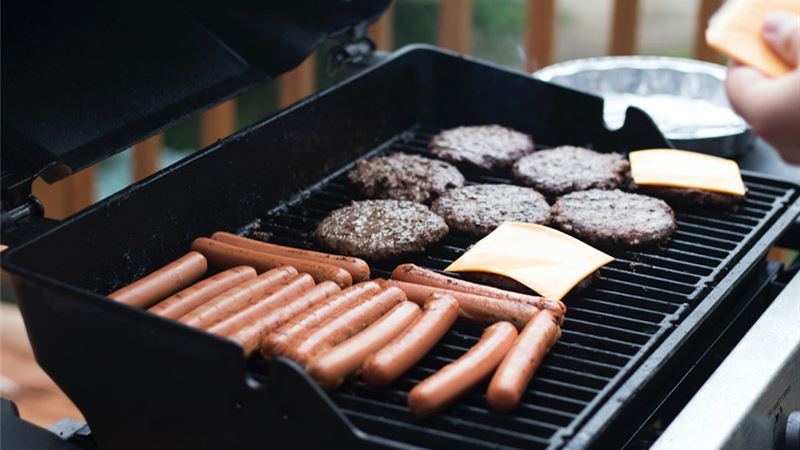
Grilling, by contrast, is characterized by its speed and high heat. Typical cooking times are often between 5 and 15 minutes, which makes it ideal for preparing meals quickly while still delivering savory results. This technique involves direct heat sources like gas burners, charcoal fires, or electric elements, reaching temperatures of about 500°F (260°C). The primary focus is on thinner cuts of meat such as chicken breasts, lamb chops, steaks, burgers, and vegetables.
In grilling, dry seasonings and marinades are commonly used to expedite browning and develop flavor through the Maillard reaction—browning that enhances both taste and appearance. Wet marinades are usually avoided during grilling to prevent steam and sticking, but flavor can be added afterward with sauces or herbs. Grilling is not only efficient but also visually appealing, with attractive char marks and a smoky aroma that appeal to the senses.
Timing is critical in grilling, especially when applying sauces or glazes. Since the high heat can burn sugars quickly, sauces should be added toward the end of cooking or just before removing the food from the grill. This approach ensures a caramelized, flavorful coating without the bitterness of burnt sugars. Properly grilled items should have a perfect balance of juiciness, flavor, and char, making them crowd favorites at outdoor cookouts.
Popular Dishes Featuring Barbecue and Grilling
Some dishes have become synonymous with outdoor cooking. Texas-style smoked chicken is a beloved recipe, often paired with hearty sides like red potato salad and fresh vegetables. The smoky, juicy flavor of spiced beef brisket is another highlight, appreciated for its tenderness and deep flavor notes. Pulled pork sandwiches, crafted from slow-cooked pork shoulder, are a staple for casual gatherings and picnics. Alternatively, grilled tenderloin provides a quick, moist, and nutritious meal that’s perfect for weeknight dinners or weekend barbecues.
Beyond meats, grilled vegetables such as peppers, zucchini, corn, and mushrooms add variety and nutritional value to outdoor menus. Classic side dishes like baked beans, creamy potato salad, and mac and cheese often accompany barbecued meats, creating a balanced meal full of flavor and texture contrasts. These dishes not only elevate the dining experience but also showcase the versatility of outdoor cooking techniques, inspiring home cooks to experiment with new recipes and flavor combinations.
In conclusion, understanding the distinctive qualities of barbecue and grilling enables you to choose the right technique based on the type of food, desired flavor, and time constraints. Mastering these methods allows for endless culinary creativity, making every cookout an opportunity to impress friends and family with delicious, expertly prepared dishes. With the knowledge of smoke-infused slow cooking and quick high-heat grilling, you can elevate your outdoor meals to new levels of enjoyment and sophistication.