
Comprehensive Guide to Dutch Ovens: Varieties, Uses, and Maintenance
Discover the comprehensive guide to Dutch ovens, including different types such as cast iron, ceramic, and enameled cast iron. Learn their specific uses for slow cooking, outdoor adventures, frying, and more. Get practical maintenance tips to prolong their lifespan and ensure optimal performance. Perfect for home chefs and outdoor enthusiasts alike, this detailed overview helps you select and care for your Dutch oven, making it an essential kitchen companion for various culinary adventures.
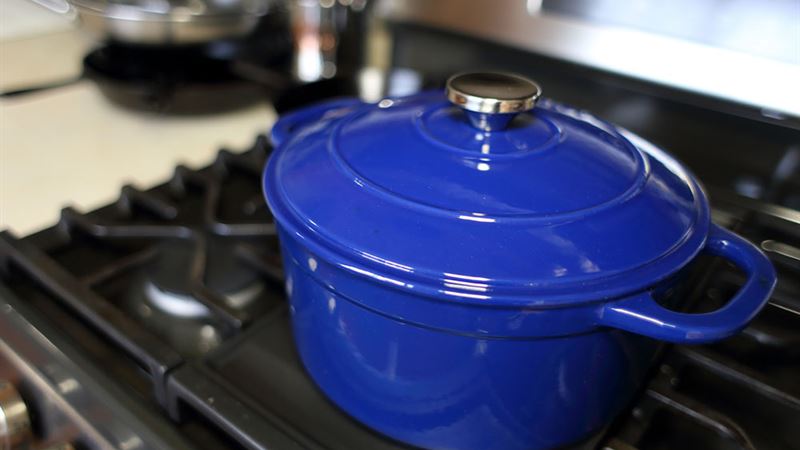
Understanding the materials used in Dutch ovens is fundamental to maximizing their benefits. The choice of material influences heat retention, durability, ease of maintenance, and versatility. The main types include cast iron, ceramic, and enameled cast iron, each offering unique advantages and considerations.
Types of Dutch Ovens
Cast Iron Dutch Ovens
Cast iron Dutch ovens are perhaps the most iconic and widely recognized type. Known for their exceptional heat retention and distribution, these cookware pieces are ideal for slow cooking, braising, baking, frying, and more. Their thick walls and heavy lids create a self-basting environment, sealing in moisture and flavors during the cooking process.
Traditional cast iron Dutch ovens are coated with a layer of seasoning, a process that builds a natural non-stick surface while also preventing rust. They can withstand extreme heat and are suitable for oven, stove, and even campfire use, making them highly versatile for home cooks and outdoor enthusiasts alike.
Ceramic Dutch Ovens
Ceramic Dutch ovens are notably lightweight and often favored for their aesthetic appeal. These are made from ceramic pottery, offering excellent heat retention, especially for gently simmered dishes and baking recipes like bread and casseroles. Their smooth internal surface prevents food from sticking and facilitates easy cleaning.
However, because ceramic is more fragile than metal, these Dutch ovens are susceptible to cracking and shattering if dropped or subjected to rapid temperature shifts. They should be used carefully and are best suited for oven cooking rather than open-flame applications.
Enameled Cast Iron Dutch Ovens
Enameled cast iron Dutch ovens combine the durability and heat retention qualities of traditional cast iron with a smooth, glossy ceramic coating. This coating prevents food from sticking and makes cleaning significantly easier. They come in a variety of vibrant colors to enhance the presentation of your dishes.
Both the interior and exterior surfaces are coated with enamel, eliminating the need for seasoning like raw cast iron. Enamel-coated Dutch ovens are oven-safe up to 500°F and are resistant to rust. They are perfect for a range of cooking techniques, from slow roasting to baking, and are an excellent choice for everyday use in modern kitchens.
How to Use a Dutch Oven Effectively
Outdoor and Camping Cooking
One of the best features of Dutch ovens is their adaptability for outdoor cooking. Designed to withstand high temperatures, they are perfect for camping trips, picnics, and barbecues. Whether you're cooking over an open campfire or using a charcoal bed, these pots excel at maintaining even heat distribution.
During outdoor adventures, Dutch ovens serve as all-in-one cookware, allowing you to prepare, cook, and serve meals directly from the pot. They are especially useful for one-pot meals like stews, chili, and baked bread, simplifying the cooking process and reducing cleanup.
Slow Cooking and Braising
Cast iron Dutch ovens are especially suited for slow-cooked dishes. Their ability to maintain consistent, low heat makes them perfect for simmering soups, stews, and braised meats—methods that benefit from long, gentle cooking to develop rich flavors.
These pots retain heat long after removing from heat sources, allowing dishes to stay warm during serving. Additionally, their thick walls and lids foster a moist environment that tenderizes tough cuts of meat and melds flavors beautifully.
Frying and Sauteing
Due to their heat-resistant properties, Dutch ovens are excellent for frying and sautéing. The high sides contain splatters effectively, reducing mess and making cleanup easier. Cast iron Dutch ovens can withstand the high temperatures needed for frying foods such as chicken, donuts, or tempura with ease.
Simmering Soups and Stews
Traditional Dutch ovens excel in preparing hearty soups, flavorful stews, and chilis. Their ability to distribute heat evenly enhances the aroma and taste of your dishes, bringing out layered flavors through slow simmering. Starting with caramelized vegetables and browning meats, you can build complex flavor profiles gradually.
Maintenance and Care for Longevity
General Upkeep
Proper maintenance is key to extending the lifespan of your Dutch oven. For cast iron varieties, regular seasoning helps develop and preserve a natural non-stick surface, preventing rust and enhancing performance. Enameled Dutch ovens require gentle cleaning to retain their glossy finish and prevent chipping.
Seasoning Cast Iron Dutch Ovens
Seasoning involves applying a thin layer of oil to the cast iron surface and baking it at high temperatures. This process creates a durable, non-stick coating that improves with regular use. After each use, clean the pot with warm water—avoid soap—and dry thoroughly before applying a light coat of oil to prevent rusting.
Cleaning Enameled Dutch Ovens
Enamel-coated Dutch ovens should be cleaned with warm, soapy water and a soft cloth or sponge. Avoid abrasive scrubbers, which can scratch the glossy surface. For stubborn stains or food residues, a baking soda paste can be applied gently to loosen debris.
Heating Tips
To avoid damaging your Dutch oven, always heat gradually and avoid sudden temperature changes—especially with ceramic and enameled options. Do not heat cast iron pots on high heat immediately, as this can cause warping or enamel damage. Instead, preheat on low or medium and increase temperature gradually.
Storage Guidelines
Store your Dutch oven in a dry place, and ensure it's completely dry before storing to prevent rust. When stacking cast iron pots, place a paper towel or cloth between them to prevent scratching. Enamel Dutch ovens should be stored with the lid slightly ajar to allow air circulation and prevent moisture buildup.
Final Recommendations for Buyers
Choosing the right Dutch oven depends on your intended use, cooking style, and maintenance preferences. Cast iron Dutch ovens are durable and suitable for high-heat and outdoor cooking, while enameled models offer ease of cleaning and are ideal for everyday kitchen use. Ceramic Dutch ovens are lightweight and elegant but require delicate handling.
Invest in high-quality brands, such as Lodge, Staub, or Le Creuset, known for their craftsmanship and durability. Proper care and usage will ensure your Dutch oven remains a reliable tool in your culinary arsenal for decades, making it a worthwhile addition to any kitchen or camping kit.