
Comprehensive Guide to Anemia: Causes, Types, Diagnosis, and Prevention
This comprehensive article explores anemia, its various causes, types, diagnostic procedures, and prevention strategies. It emphasizes the importance of early detection, dietary choices rich in iron, vitamin B12, and folic acid, and demonstrates how lifestyle changes alongside medical interventions can manage and prevent this common blood disorder effectively, promoting better overall health through knowledgeable planning and regular checkups.
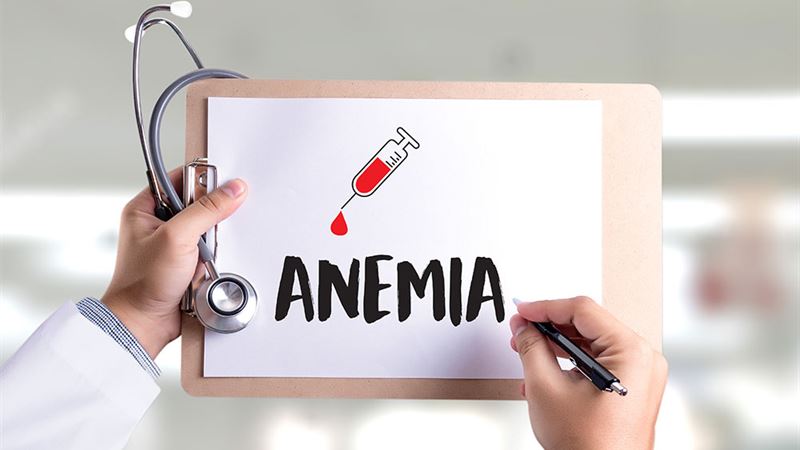
Anemia is a common blood disorder characterized by a deficiency of red blood cells or hemoglobin, which hampers the body's ability to transport oxygen effectively. This condition can lead to symptoms such as fatigue, weakness, dizziness, and shortness of breath. Understanding the intricacies of anemia involves exploring its various causes, types, diagnostic procedures, and preventive strategies to enable timely intervention and management.
One of the primary causes of anemia is inadequate iron intake, which is essential for hemoglobin production. Blood loss through injuries, surgeries, or menstruation can also precipitate anemia. Additionally, certain chronic diseases, such as kidney disorders and inflammatory conditions, can interfere with blood cell production, leading to secondary anemia.
Beyond these, several specific forms of anemia exist, each with distinct causes and treatment options:
- Chronic Disease Anemia
This form of anemia is often observed in individuals suffering from long-term illnesses such as chronic kidney disease, rheumatoid arthritis, or inflammatory bowel disease. These conditions impair the body's ability to produce red blood cells, often requiring targeted treatments to manage both the underlying disease and anemia.
- Pernicious Anemia
Occurs when the body cannot absorb vitamin B12 adequately due to autoimmune destruction of stomach cells or other malabsorption issues. B12 is crucial for red blood cell formation, and deficiency can lead to significant anemia if untreated.
- Aplastic Anemia
This rare but serious condition arises when the bone marrow fails to produce sufficient blood cells, including red cells, white cells, and platelets. It may be caused by exposure to certain toxins, medications, or autoimmune processes.
- Autoimmune Hemolytic Anemia
In this disorder, the immune system mistakenly attacks and destroys red blood cells, resulting in anemia. It can be associated with other autoimmune diseases or occur independently.
- Thalassemia
This genetic disorder affects hemoglobin production, often leading to mild or severe anemia. Some individuals with thalassemia may require regular blood transfusions to maintain health.
- Polycythemia Vera
Unlike anemia, polycythemia vera involves excessive production of blood cells, which can increase the risk of blood clots and other complications. Proper diagnosis is essential to distinguish it from other blood disorders.
Diagnosing Anemia: Procedures and Tests
If one exhibits symptoms indicative of anemia, healthcare professionals will initiate a comprehensive diagnostic process. This includes analyzing medical history, conducting a physical assessment, and performing laboratory tests to confirm the diagnosis and identify its root cause.
- Complete Blood Count (CBC)
The CBC is a fundamental blood test that measures levels of red blood cells, hemoglobin, hematocrit, and related indices. Abnormal values can confirm anemia and provide clues regarding its severity and type.
- Red Blood Cell Morphology and Count
This analysis evaluates the size, shape, and color of red blood cells, providing insights into specific forms of anemia, such as macrocytic or microcytic anemia.
In cases where anemia is detected, additional assessments are often necessary:
- Bone marrow examination to evaluate marrow function and rule out other hematological conditions.
- Serological tests to detect vitamin B12, folate levels, and markers of inflammation or autoimmune activity.
Strategies for Preventing Blood Disorders
While genetics and certain medical conditions may be beyond preventive control, lifestyle adjustments can significantly reduce the risk of developing anemia. Proper nutrition plays a crucial role.
- Incorporate iron-rich foods such as lean meats, spinach, lentils, beans, tofu, and fortified cereals into daily meals.
- Consume foods high in vitamin C like citrus fruits, peppers, and broccoli to enhance iron absorption.
- Include dietary sources rich in folic acid, such as leafy greens, avocados, and citrus fruits.
- Ensure adequate intake of vitamin B12 through foods like eggs, dairy products, and fortified plant-based options or supplements if necessary.
Regular health checkups are vital for early detection. Blood tests can identify deficiencies before symptoms intensify, allowing for prompt treatment and management.
Though not all forms of anemia are preventable, maintaining a balanced diet, managing chronic illnesses effectively, and avoiding blood loss through injury or excessive menstruation can markedly improve overall blood health.
Treatments for anemia vary according to the type and cause. They may include dietary supplementation, medications, or procedures like blood transfusions. Consulting a healthcare professional ensures personalized and effective management of the condition.