
Understanding Thrombocytopenia: Causes, Symptoms, and Comprehensive Treatment Strategies
Discover in-depth insights into thrombocytopenia, its causes, symptoms, and a wide range of treatment options including medications, surgery, natural remedies, and lifestyle changes. Early diagnosis and tailored therapies are vital for effective management of this complex blood disorder.
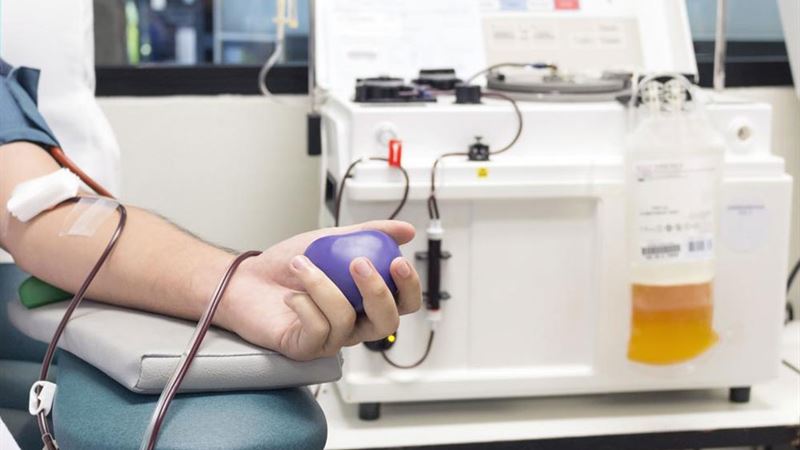
Thrombocytopenia, commonly known as low platelet count, is a hematological condition that can have various underlying causes, ranging from autoimmune disorders to medication effects. Recognizing the root of the problem is crucial because the treatment approach varies significantly depending on whether the low platelet count stems from immune system issues, bone marrow problems, infections, or other medical conditions. While mild cases may go unnoticed or resolve independently, severe thrombocytopenia can pose serious health risks, including excessive bleeding or hemorrhage, necessitating prompt and targeted intervention.
In this detailed exploration, we will examine the common causes of low platelet counts, the symptoms that might signal its presence, diagnostic procedures used by healthcare providers, and an extensive array of treatment options. From conventional medical therapies to natural remedies and lifestyle adjustments, understanding the full spectrum of approaches empowers patients and caregivers to make informed decisions in managing this complex condition.
What Is Thrombocytopenia?
Thrombocytopenia is characterized by a reduction in the number of platelets in the blood. Normal platelet counts range from approximately 150,000 to 450,000 platelets per microliter of blood. When platelet levels fall below 150,000, individuals may start experiencing symptoms, especially as the count drops further. Platelets play a vital role in blood clotting, which prevents excessive bleeding after injuries. Therefore, a deficiency can impair the body's ability to control bleeding, leading to easy bruising, prolonged bleeding from cuts, or in extreme cases, internal bleeding.
Common Causes of Low Platelet Count
Understanding the underlying causes of thrombocytopenia is essential for diagnosis and treatment. The condition can result from various factors, broadly categorized into autoimmune, hematological, infectious, medication-related, or other systemic causes:
- Autoimmune Diseases: Conditions like immune thrombocytopenic purpura (ITP), lupus, and rheumatoid arthritis occur when the immune system mistakenly targets and destroys platelets. Autoimmune responses can be triggered by infections, medications, or other immune dysregulations.
- Bone Marrow Disorders: Diseases such as leukemia, aplastic anemia, myelodysplastic syndromes, and certain infections can impair the bone marrow’s ability to produce enough platelets, leading to decreased levels in circulation.
- Infections: Viral infections like hepatitis C, HIV, and mononucleosis may cause temporary or persistent low platelet counts.
- Medications: Certain drugs, including blood thinners, anticonvulsants, antibiotics, and chemotherapy agents, can affect platelet production or accelerate their destruction.
- Other Causes: Conditions such as spleen enlargement (splenomegaly), severe alcohol consumption, nutritional deficiencies (e.g., vitamin B12, folate), and exposure to toxic chemicals can also contribute to thrombocytopenia.
Recognizing Symptoms of Low Platelets
Often, low platelet counts may be asymptomatic, especially when levels are mildly decreased. However, noticeable signs can include:
- Unusual or excessive bruising without clear injury
- Superficial bleeding, such as blood spots (petechiae) or rashes
- Prolonged nosebleeds or bleeding gums
- Heavy menstrual periods or bleeding during menstruation
- Blood in urine or stool indicating internal bleeding
- Fatigue or weakness in some cases due to anemia associated with bleeding
If you experience any of these symptoms, especially multiple or severe bleeding episodes, it is essential to consult a healthcare professional promptly for proper diagnostics and treatment planning.
Diagnosis of Low Platelet Count
Diagnosing thrombocytopenia involves a combination of blood tests and medical evaluations. The primary test is a complete blood count (CBC), which measures platelet levels alongside other blood components. Additional diagnostics may include:
- Bone marrow biopsy — to assess platelet production capacity
- Blood tests for infections, autoimmune markers, and liver function
- Imaging studies like ultrasound for spleen size if splenomegaly is suspected
These assessments help identify the underlying cause, which directly influences treatment strategies.
Comprehensive Treatment Options for Thrombocytopenia
Effective management of low platelet counts depends on identifying the cause and severity. The therapeutic approaches can be classified into medication-based treatments, surgical interventions, blood product transfusions, natural remedies, and lifestyle modifications:
Medical and Pharmacological therapies
- Immunosuppressive medications: For autoimmune causes like ITP, doctors often prescribe corticosteroids, such as prednisone, to suppress immune activity and reduce platelet destruction.
- Intravenous immunoglobulin (IVIG): Used to rapidly increase platelet counts, especially before surgical procedures or in acute bleeding situations.
- Thrombopoietin receptor agonists: Drugs like romiplostim and eltrombopag stimulate the bone marrow to produce more platelets in chronic cases.
- Addressing underlying infections or diseases: Treatment of infections like hepatitis or HIV can restore normal platelet levels.
- Adjusting or stopping causative medications: Collaborating with healthcare providers to modify medication regimens if they’re responsible for low counts.
Surgical Interventions
- Splenectomy: The surgical removal of the spleen is considered in cases where immune-mediated destruction persists, especially in refractory ITP. Removing the spleen limits the destruction of platelets and can restore counts in many patients.
Blood and Platelet Transfusions
In urgent or severe cases where bleeding risk is high, transfusions of platelets or whole blood can stabilize the patient temporarily. This intervention is often used during active bleeding, before surgery, or in critical situations to prevent hemorrhage.
Natural and Dietary Remedies
Incorporating specific natural remedies and dietary strategies may aid in boosting platelet levels and supporting overall health:
- Eating high-vitamin foods: Red fruits and vegetables such as tomatoes, strawberries, raspberries, cherries, and plums are rich in vitamins, antioxidants, and minerals that facilitate blood health.
- Omega-3 rich foods: Consuming fish like wild salmon, mackerel, tuna, and eggs from free-range chickens enhances immune function and reduces inflammation.
- Herbal supplements: Some herbs like papaya leaf extract have shown promising results in increasing platelet counts, but always consult a healthcare provider before starting supplements.
- Maintaining a healthy lifestyle: Avoid alcohol, smoking, and medications known to impair platelet production. Adequate rest and stress management also support immune health.
Prevention and Long-term Management
Preventing thrombocytopenia centers around managing risk factors such as autoimmune conditions, infections, and medication effects. Regular medical check-ups and blood tests are vital for early detection and intervention. For individuals with chronic low platelet counts, ongoing monitoring, adherence to treatment plans, and lifestyle modifications are crucial to prevent complications and improve quality of life.
When to Seek Medical Attention
Immediate consultation is necessary if you notice symptoms like uncontrollable bleeding, large bruises, blood in stool or urine, or severe headaches accompanied by neurological symptoms. Timely diagnosis and treatment can prevent life-threatening complications and ensure effective management of low platelet counts.
This comprehensive overview emphasizes that thrombocytopenia is a multifaceted condition requiring individualized diagnosis and tailored therapy. Patients should actively collaborate with healthcare providers to determine the most suitable treatment plan based on their specific circumstances.