
Comprehensive Guide to Monitoring and Interpreting Blood Pressure Levels
This comprehensive article explores blood pressure monitoring, interpretation of readings, and management strategies. It emphasizes the importance of regular checks to detect early signs of hypertension, understand blood pressure stages, and adopt lifestyle changes. Proper measurement techniques and consistent record-keeping empower individuals to maintain optimal cardiovascular health and prevent severe complications. Aimed at both patients and healthcare providers, this guide offers insights into effective blood pressure management tailored to different age groups and health conditions.
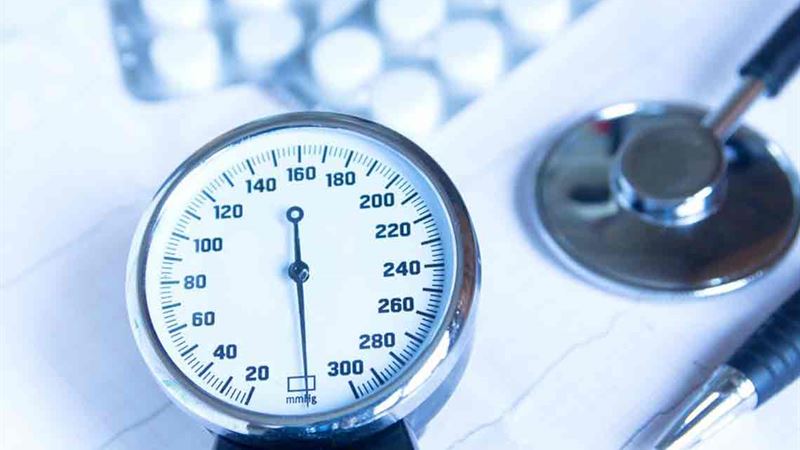
Understanding blood pressure involves examining the force exerted by circulating blood on the walls of arteries throughout the cardiac cycle. When the heart contracts, it generates a pressure called systolic blood pressure, which is the peak pressure in the arteries. Conversely, during relaxation between beats, the pressure drops to a lower level known as diastolic blood pressure. Both measurements are essential for assessing cardiovascular health and diagnosing potential issues.
Maintaining a normal diastolic pressure—typically below 80 mm Hg—is crucial. Elevated diastolic readings may indicate increased resistance in the arteries, which can over time strain the heart and lead to complications.
While systolic pressure is often emphasized, especially in individuals over 50, both systolic and diastolic readings must fall within healthy ranges for an accurate diagnosis. Variations can be subtle and may not produce noticeable symptoms, making regular monitoring vital.
Blood Pressure Charting and Interpretation
Blood pressure varies with age, gender, lifestyle factors, and overall health. To provide accurate assessments, clinicians use age-specific blood pressure charts. These charts display normal, elevated, and hypertensive ranges in millimeters of mercury (mm Hg). Keeping track of individual readings over time helps identify trends and deviations that warrant medical attention.
It's advisable to take multiple measurements, ideally one minute apart, to account for temporary factors like stress or recent activity that may influence readings. Avoiding caffeine, smoking, and vigorous exercise for at least half an hour before measuring contributes to more precise results.
Understanding Blood Pressure Stages
- Prehypertension (Elevated Blood Pressure): Consistently reading between 120-139 mm Hg systolic or 80-89 mm Hg diastolic indicates prehypertension. This stage serves as a warning sign, prompting lifestyle modifications to prevent progression to full-blown hypertension.
- Hypertension Stage 1: Blood pressure readings of 140-159 mm Hg systolic or 90-99 mm Hg diastolic categorize as Stage 1 hypertension. Management typically involves lifestyle changes and, if necessary, medication prescribed by a healthcare provider.
- Hypertension Stage 2: When readings reach 160-179 mm Hg systolic or 100-109 mm Hg diastolic, more aggressive treatment, including combination therapy and strict lifestyle adherence, is often essential.
- Hypertensive Crisis: Blood pressure exceeding 180/110 mm Hg constitutes a hypertensive crisis, demanding immediate medical intervention. Symptoms may include chest pains, shortness of breath, visual disturbances, numbness, or speech difficulties. If readings remain high after a brief rest, emergency services should be contacted immediately.
Frequency of Blood Pressure Monitoring
People with normal blood pressure should have it checked at least once every two years. Those with risk factors, a family history, or prehypertension should consider more frequent monitoring. Regular checks help in early detection and effective management, particularly when lifestyle adjustments are implemented to maintain blood pressure within safe limits.
For individuals with diagnosed hypertension or prehypertension, routine self-monitoring at home becomes an invaluable tool. Proper technique, suitable equipment, and consistent recording help both patients and healthcare providers evaluate treatment effectiveness and make necessary adjustments.
It’s advisable to take readings daily at the same time, preferably under resting conditions, and keep a detailed log. This record assists physicians in identifying patterns and potential triggers, enabling personalized treatment plans. Since high blood pressure often presents silently until severe complications arise, diligent tracking is an essential component of long-term cardiovascular health management.
Tips for Effective Blood Pressure Management
- Choose an accurate, validated blood pressure monitor suitable for home use.
- Learn proper measurement techniques—sit quietly for five minutes, keep your arm at heart level, and avoid talking during measurements.
- Take multiple readings over consecutive days to establish a reliable baseline.
- Maintain a healthy lifestyle: eat a balanced diet, exercise regularly, limit salt and alcohol intake, and manage stress levels.
- Adhere strictly to prescribed medications and attend regular check-ups with your healthcare provider.
Monitoring blood pressure regularly is critical because high readings often have no obvious symptoms until serious health events occur. By staying vigilant and disciplined, individuals can significantly reduce their risk of stroke, heart attack, and kidney disease. Remember, controlling blood pressure is a lifelong commitment to a healthier, longer life.