
Comprehensive Guide to Aluminum Scrap Pricing and Recycling Insights
This comprehensive guide delves into aluminum scrap pricing, market dynamics, and recycling benefits. It emphasizes vital factors like price fluctuations, material categorization, and industry advantages. Perfect for newcomers and seasoned recyclers, it offers insights into maximizing profits and understanding aluminum’s recycling significance for sustainable manufacturing and waste reduction.
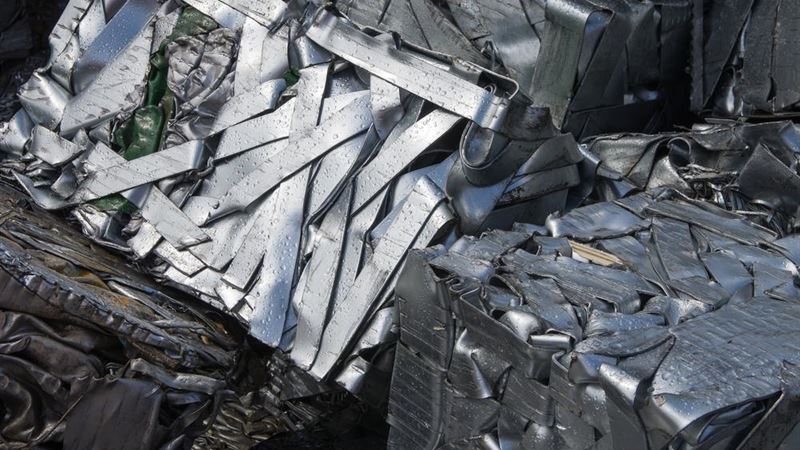
Aluminum scrap is a valuable resource that can be efficiently recovered from various sources, including household waste, industrial byproducts, and discarded appliances. Its widespread presence and ease of collection make it an attractive commodity in the recycling industry. Recycling aluminum not only conserves natural resources but also significantly reduces production costs, making it an economically viable choice for manufacturers and scrap traders alike. Understanding the factors influencing aluminum scrap prices is crucial for both newcomers and seasoned professionals in the recycling sector.
Aluminum is unique among metals because it requires only a small fraction—around 5%—of the energy needed to produce new aluminum from ore. This efficiency is one reason why recycling aluminum is both environmentally and economically advantageous. The process involves collecting scrap aluminum, sorting it into categories based on purity and composition, and then processing it into new raw material ready for manufacturing. Proper categorization helps determine its market value and ensures that the recycled aluminum meets quality standards.
Understanding Aluminum Scrap Price Dynamics
Currently, aluminum scrap prices fluctuate between approximately $0.35 to $0.45 per pound, depending on market demand and other economic factors. These prices are not static; they are influenced by global commodity markets, fluctuations in raw material costs, supply and demand, and seasonal variations. For anyone involved in aluminum recycling, staying informed about these price trends is essential for making profitable transactions.
Professionals and newcomers must pay close attention to market fluctuations as price differences can present lucrative opportunities or potential losses. An informed buyer can secure scrap at the lowest possible price and maximize profit margins. Conversely, sellers who are unaware of current market rates risk undervaluing their scrap or being taken advantage of by less scrupulous buyers.
For example, a newly acquired aluminum can might cost approximately $0.70 per pound as a new product from a manufacturer but may be worth around $0.35 per pound as scrap metal once discarded. This difference underpins the significance of understanding the market standards—selling scrap at a fair price results in better returns, and buying intelligently ensures cost-effective recycling operations.
Such knowledge is especially vital for small-scale recyclers and startups entering the industry. The aluminum recycling sector is driven by industries that recognize the substantial cost savings compared to primary production. Aluminum's durability and stability allow it to be recycled repeatedly without losing its quality, making it a sustainable resource with high shelf life. This property adds to its appeal as a recyclable material that can significantly reduce environmental impact while offering favorable economic returns.
To optimize profit margins, it is advisable to establish relationships with reputable scrap suppliers, stay updated on market prices via industry news sources, and practice diligent weighing and categorization of materials. Whether dealing with pure aluminum scraps such as foil or mixed metals containing aluminum, understanding their respective values is key to successful transactions.
Another aspect to consider is the importance of proper sorting. Clear segregation of pure aluminum from contaminated or mixed metals enhances the quality grade of the scrap, thus fetching higher prices. Conversely, contamination can lower the value and complicate the recycling process, leading to increased processing costs or rejection of materials.
In conclusion, the aluminum scrap industry is a vital component of sustainable manufacturing and waste management. By gaining a comprehensive understanding of how prices are determined and the factors that influence them, traders and recyclers can make informed decisions that maximize profitability while contributing to environmental conservation. Whether you are a beginner or an experienced operator, keeping abreast of market trends, cultivating reliable supply chains, and maintaining material quality are essential strategies for thriving in this competitive industry.