
Comprehensive Guide to Determining Daily Prices for Scrap Metal
Stay ahead in the scrap metal industry by mastering the art of tracking daily prices. Learn how to utilize online databases, build local dealer relationships, and analyze market trends to optimize your trading strategies. This comprehensive guide provides detailed insights into how regional factors influence prices and how to stay informed for maximum profitability. Whether you're a seasoned trader or new to the industry, these tips will help you make smarter, more profitable decisions every day in the competitive scrap metal market.
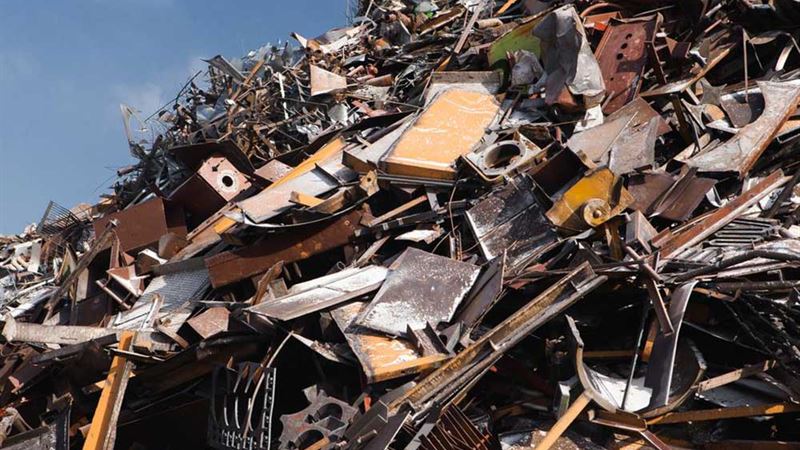
Staying informed about the current market prices for scrap metal is essential for anyone involved in the recycling industry or in metal trading. Accurate knowledge of daily scrap metal prices enables sellers and buyers to make well-informed decisions, optimize their margins, and stay competitive. There are several methods to obtain up-to-date pricing information, including online resources, industry-specific subscription services, and direct communication with local dealers. Understanding the sources and reliability of these price updates is critical to aligning your business strategies with market realities.
One of the most straightforward ways to access daily scrap metal prices is through reputable online databases. Many websites compile real-time data from various sources and provide users with current prices for different types of scrap metals, such as copper, aluminum, steel, and brass. Some platforms offer free access, while others may require subscription fees for premium features like alerts, historical data, and regional price breakdowns. Utilizing these online tools efficiently can give you a significant edge, especially if you routinely buy or sell scrap metal.
Beyond online databases, specialized industry websites and alert services offer tailored notifications on price fluctuations. These services often allow you to customize alerts based on specific metals and regions, ensuring you stay informed about the latest market shifts without constantly monitoring multiple sources. Subscribing to newsletters or joining industry-specific groups can also provide insights into broader market trends, influencing your buying and selling decisions.
While digital tools are invaluable, it is equally important to understand local market conditions. Scrap metal prices are heavily influenced by regional factors, including supply and demand dynamics, transportation costs, and the presence of local competitors. Therefore, consulting with local scrap yards and dealers is crucial. Visiting these locations allows you to see firsthand how prices are set and what variations may exist within your area. Building relationships with nearby dealers can also provide you with timely inside information that may not be publicly available online.
If you are an established scrap metal business owner, maintaining a network of contacts in your region is crucial. Having direct lines of communication with suppliers and buyers enables you to quickly adapt to price changes and secure the best deals. Regularly visiting local recycling yards and staying connected through industry associations can help you stay ahead of market trends.
For newcomers to the scrap metal industry, the initial phase involves diligent research and on-the-ground observation. Visit local scrap metal outlets to observe their trading practices and inquire about how they determine daily prices. Pay attention to factors such as metal quality, quantity, current market demand, and transportation costs, as these all influence the final pricing. Establishing rapport with local dealers can also open doors to insider information and potential partnerships.
In addition to physical locations, digital classifieds and online marketplaces for scrap metal can provide valuable insights. These platforms often display posted prices and deals that reflect current market conditions, giving you a broader perspective of what the industry is paying and accepting in your region. Remember, understanding the historical trends of scrap metal pricing is equally important. Tracking price changes over time helps you identify patterns, seasonal fluctuations, and possible future trends, enabling more strategic planning.
Monitoring regional news and economic indicators can also impact scrap metal prices. Fluctuations in commodity markets, changes in environmental policies, or shifts in global supply chains can all influence prices. Staying educated on these factors enhances your ability to predict and adapt to market swings effectively. Besides data collection, consider participating in industry forums and attending trade shows or conferences. These events provide opportunities to network, learn from industry experts, and gain insights into upcoming trends that could impact prices.
In summary, accurately determining the daily prices of scrap metal requires a multi-faceted approach. Combining digital tools, local dealer relationships, market observation, and industry intelligence forms a comprehensive strategy. As the industry continues to evolve, staying well-informed will empower you to maximize profits, build resilience against market volatility, and position your business for sustainable growth. Actively tracking prices and market factors ensures you remain competitive and well-prepared to navigate the dynamic landscape of scrap metal trading.