
Understanding Umbilical and Femoral Hernias: Symptoms, Causes, and Treatment Options
This comprehensive article explains the symptoms, causes, and treatment options for umbilical and femoral hernias. Recognizing early signs such as bulges, pain, and discoloration can prompt timely medical intervention. The article covers typical causes, risk factors, and surgical repair methods, emphasizing the importance of prompt diagnosis to prevent serious complications. With detailed insights and expert advice, readers can better understand these common hernias and learn how to seek appropriate care for effective resolution and improved quality of life.
Introduction to Hernias
Hernias are a common medical condition that involves the protrusion of an internal organ or tissue through a weakness in the muscle or tissue that normally contains it. They can occur in various parts of the body, with umbilical and femoral hernias being among the most frequently encountered types. Recognizing the symptoms early and seeking prompt medical attention can prevent complications and ensure effective treatment. In this comprehensive guide, we will explore the characteristics, symptoms, causes, and treatment options for umbilical and femoral hernias.
What is an Umbilical Hernia?
An umbilical hernia occurs when part of the intestine or fatty tissue pushes through the abdominal muscles around the belly button (navel). This condition is particularly common in infants and young children but can also affect adults. The hernia forms as a bulge or swelling at the umbilicus, which can sometimes be pushed back manually during a clinical examination.
The primary and most noticeable symptom of an umbilical hernia in children is a visible bulge or swelling near the navel. This swelling tends to be more prominent when the child is active, crying, coughing, or straining, and less noticeable when the child is relaxed or lying down. Healthcare professionals can often gently push the swelling back into the abdomen during a physical exam.
In some cases, the hernia may cause discomfort or pain, although pain is relatively uncommon in children. The affected individual might experience occasional vomiting, which can be a sign of complications. The overlying skin of the bulge may appear discolored, tender, or inflamed, especially if there is a strangulation or obstruction.
Key symptoms of umbilical hernia include:
- Visible bulge or swelling near the belly button that becomes more prominent in upright positions, coughing, sneezing, or bowel movements.
- Potential discomfort or pain in the abdominal region, though not frequently observed in children.
- Occasional vomiting, indicating possible intestinal issues.
- Discoloration or tenderness of the bulging area, suggesting inflammation or strangulation.
Causes of Umbilical Hernia
This condition primarily results from a weakness or incomplete closure of the umbilical ring after birth, which allows internal tissues to protrude. Factors contributing to the development of umbilical hernias include premature birth, increased abdominal pressure from coughing or obesity, multiple pregnancies, or genetic predisposition. While many hernias close on their own within the first few years of life, persistent or large hernias might require surgical intervention.
What is a Femoral Hernia?
A femoral hernia occurs when tissue pushes through a weak spot in the femoral canal, which is located just below the inguinal ligament in the groin area. Unlike inguinal hernias, femoral hernias are more common in women, especially those who have experienced multiple pregnancies. These hernias tend to present as a bulge near the upper thigh or groin and can sometimes be mistaken for other groin-related conditions.
Many individuals with femoral hernias are unaware of their condition initially because small hernias may not produce obvious symptoms. However, larger hernias tend to cause discomfort, especially when standing or lifting heavy objects. In severe cases, the hernia may obstruct the intestines, leading to more serious symptoms.
Obesity, childbirth, and conditions that increase intra-abdominal pressure are significant risk factors for developing femoral hernias. Since the hernia occurs near the femoral artery and vein, complications can lead to serious health issues if not treated in a timely manner.
Symptoms associated with femoral hernias include:
- Signs of strangulation, such as a tender, hardened, and discolored bulge, which cuts off blood supply and can be life-threatening.
- A sudden onset of groin pain or discomfort which can radiate to the thigh or abdomen.
- Nausea and vomiting, often associated with bowel obstruction.
- Persistent or severe pain in the groin or upper thigh, especially when standing or lifting.
When to Seek Medical Help
If you or your child notice a swelling or bulge in the abdomen, groin, or near the navel that does not resolve, or if you experience severe pain, nausea, vomiting, or discoloration of the affected area, it is crucial to see a healthcare professional immediately. Prompt diagnosis and treatment are vital to prevent complications such as strangulation, bowel obstruction, or tissue death.
Diagnosis of Hernias
Diagnosis is primarily based on a physical examination where a specialist assesses the bulge's size, consistency, and reducibility. In some cases, imaging tests like ultrasound, CT scans, or MRI may be required to evaluate the hernia's extent and rule out other conditions.
Treatment Options
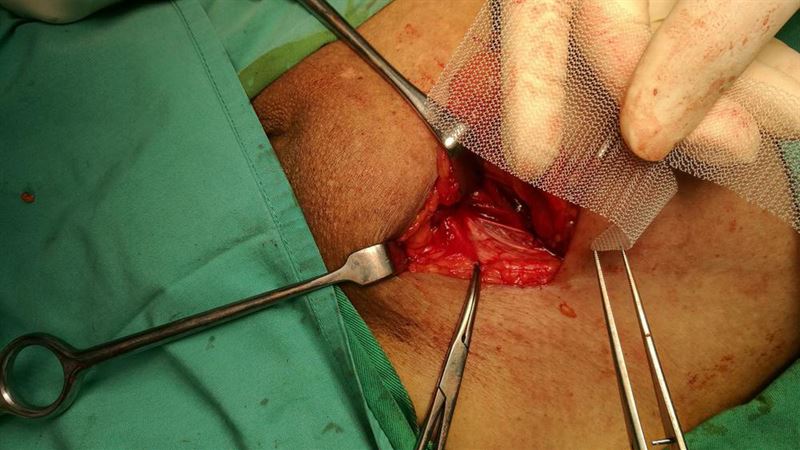
Most hernias require surgical repair to prevent complications. The procedure often involves pushing the protruded tissue back into the abdominal cavity and reinforcing the weakened area with sutures or a synthetic mesh. Surgery can be performed through open techniques or minimally invasive laparoscopic methods, depending on the hernia's size and location.
For infants and small hernias, a watchful waiting approach might be adopted, as some hernias close naturally over time. However, in adults or complicated cases, early surgical intervention is recommended to reduce risks.
Prevention and Care
While many hernias cannot be entirely prevented due to genetic factors or birth conditions, maintaining a healthy weight, avoiding heavy lifting improperly, and managing chronic coughs or constipation can reduce intra-abdominal pressure and lower the risk. Post-treatment, following medical advice and participating in recommended rehabilitation exercises can promote healing and prevent recurrence.
Conclusion
Understanding the differences and symptoms of umbilical and femoral hernias can help in early diagnosis and effective treatment. If you notice any symptoms, especially sudden or severe discomfort, seek medical attention promptly. With advances in surgical techniques, most hernias can be effectively repaired, leading to excellent recovery outcomes and reduced risk of complications.