
Comprehensive Guide to Hernia Types, Symptoms, and Effective Pain Management Strategies
This comprehensive article explores the different types of hernias, their symptoms, and various temporary pain relief methods. It emphasizes the importance of timely medical intervention and surgical options for permanent treatment. Additionally, the article offers practical tips on managing hernia discomfort and preventing future issues, providing valuable insights for those affected or at risk. Proper understanding and professional guidance are crucial for effective hernia management and maintaining overall abdominal health.
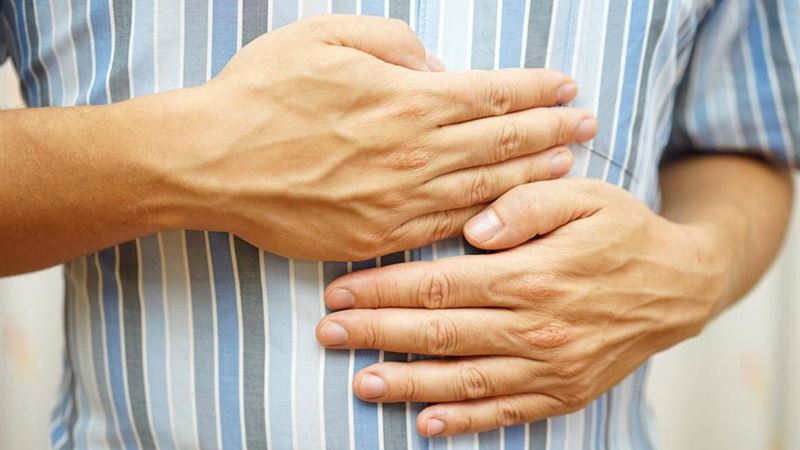
Hernias are a prevalent medical condition that affects many individuals worldwide. Recognizing the different types of hernias and understanding the best approaches for managing associated pain is crucial for effective treatment and recovery. This extensive guide delves into the various forms of hernia, their symptoms, causes, and the most effective temporary relief methods, emphasizing the importance of seeking professional medical intervention for definitive treatment.
Understanding Hernia: Types and Characteristics
- Inguinal Hernia: This common type occurs when a portion of the intestine or bladder protrudes through a weak spot in the lower abdominal wall into the inguinal canal, often creating a noticeable bulge in the groin area. It predominantly affects men and can cause discomfort, especially during physical exertion.
- Incisional Hernia: Develops at the site of a previous surgical incision on the abdomen. The weakened abdominal muscle allows internal tissues or intestines to push through, resulting in a visible lump that may expand over time.
- Femoral Hernia: Less frequent but more common in women, this hernia occurs when tissue pushes through the femoral canal, just below the inguinal ligament, in the upper thigh near the groin. It can lead to severe complications if not addressed promptly.
- Umbilical Hernia: Typically seen in infants but also affecting adults, this hernia manifests as a bulge near the navel caused by the intestine or fat pushing through the abdominal wall at the umbilicus.
- Hiatal Hernia: Unique in its location, this hernia involves a part of the stomach protruding through an opening in the diaphragm called the hiatus, often leading to symptoms like acid reflux and heartburn.
Symptoms and Diagnosis
Hernias can present with various symptoms ranging from mild discomfort to acute pain. Common signs include a visible swelling or bulge, pain or discomfort especially when lifting, coughing, or bending, and in some cases, digestive issues like acid reflux or constipation. Accurate diagnosis often involves physical examination, imaging tests like ultrasound or MRI, and assessment of symptoms.
Temporary Relief Methods for Hernia Pain
While surgery remains the definitive treatment for hernia correction, several immediate measures can alleviate discomfort temporarily. It is essential to consult a healthcare professional before attempting any self-care strategies.
Application of Cold Therapy
- Using an ice pack or cold compress on the hernia site can reduce inflammation and numb pain, offering temporary relief.
- Wrap the ice pack in a cloth or towel to prevent skin damage, and apply it for 10-15 minutes per session.
- Limit use to 1-2 times daily, and always seek medical advice before starting cold therapy.
- This method is especially effective in reducing swelling caused by hernia-related inflammation.
Medications for Short-Term Pain Management
- Over-the-counter medications, such as non-steroidal anti-inflammatory drugs (NSAIDs) like ibuprofen or acetaminophen, can help reduce hernia-related pain.
- For hernias involving acid reflux or indigestion, antacid medications like Tums, Maalox, or Gelusil can provide quick relief from associated discomfort.
- In cases of severe or persistent pain, a healthcare provider may prescribe stronger analgesics or acid-reducing medications such as proton pump inhibitors.
- Always adhere to dosage instructions, and consult your doctor if pain persists beyond a week or worsens.
- Untreated or unmanaged reflux can cause serious damage to the esophagus, emphasizing the importance of medical oversight.
External Supports and Truss Devices
- Supportive devices like hernia trusses or belts can help hold the protruding tissue in place, temporarily alleviating symptoms.
- These devices resemble structured underwear and should only be used under medical guidance, not as a substitute for surgical treatment.
- Prolonged or improper use may worsen the hernia; hence, consultation with a healthcare professional is essential before applying support gear.
Alternate and Complementary Therapies
- Some individuals find relief through acupuncture, a traditional Chinese medicine technique involving the insertion of fine needles at specific energy points in the body.
- Properly performed by a certified practitioner, acupuncture can modulate pain signals and reduce discomfort temporarily.
- While effective for some, it is crucial to remember that acupuncture is a complementary therapy and should not replace conventional medical treatment for hernias.
- Always seek a qualified acupuncturist and inform your healthcare provider about all therapies you are pursuing.
Medical Interventions and Surgical Options
Ultimately, hernias require professional medical evaluation and often surgical correction for permanent resolution. The temporary relief methods outlined above serve only as palliative approaches until definitive treatment is administered.
Hernia surgery involves repairing the weakened abdominal wall using sutures or mesh to restore normal organ positioning and strengthen the affected area. The decision for surgery depends on hernia size, symptoms, and risk of complications such as strangulation or obstruction.
Post-surgical care includes rest, avoiding heavy lifting, and following medical advice to prevent recurrence.
Preventive Measures to Reduce Hernia Risk
While some risk factors like congenital weaknesses are unchangeable, proactive steps can minimize the chances of developing or aggravating a hernia:
- Maintain a healthy weight to reduce pressure on the abdominal walls.
- Avoid smoking, which impairs tissue strength and healing.
- Use proper techniques when lifting heavy objects—bend at the knees and lift with your legs.
- Manage chronic coughs and avoid straining during bowel movements by incorporating fiber-rich diets.
- Address any persistent health issues that could contribute to increased intra-abdominal pressure.
In conclusion, an understanding of hernia types, symptoms, and temporary pain relief methods is vital for effective management. Consulting a healthcare professional for accurate diagnosis and appropriate treatment is essential for long-term health and recovery.