
Comprehensive Strategies for Proper Garlic Storage and Preservation Techniques
This comprehensive guide explores advanced methods for storing and preserving garlic, covering techniques like freezing, oil infusion, and pickling. Proper preservation boosts garlic's shelf life, flavor, and health benefits, helping home cooks and professionals maintain fresh, aromatic garlic all year round. Learn essential tips and safety precautions to maximize your garlic's potential, reduce waste, and enhance your culinary creations with minimal effort. Keep your garlic flavorful, nutritious, and ready whenever you need it with expert storage strategies.
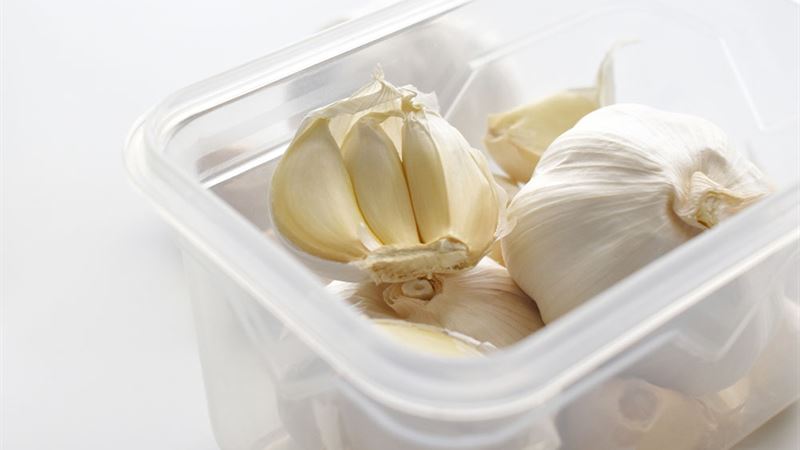
- Keep garlic bulbs in a cool, dark, and dry environment: Ideally, store garlic in a pantry or cellar where temperature remains consistent, around 60-65°F (15-18°C). The space should be well-ventilated to prevent moisture buildup, which encourages mold. Avoid places exposed to sunlight or heat, as these conditions can cause sprouting and decay.
- Use breathable containers: Vented containers like mesh bags, wire baskets, or paper bags facilitate air circulation around garlic bulbs. This airflow is critical to preventing moisture accumulation that leads to mold and decay.
- Avoid refrigeration of whole bulbs: While refrigeration can be effective for preserving already peeled or chopped garlic, storing whole bulbs in the fridge accelerates sprouting and flavor loss. The cold and humid environment encourages deterioration, so it’s best to keep garlic away from refrigeration unless sliced or processed.
- Store peeled or chopped garlic in oil with caution: Peeled garlic or garlic pieces can be preserved by immersing them in oil. Use airtight jars and keep them refrigerated to prevent botulinum bacteria growth. Remember that garlic-infused oil must be stored properly and used within a week or two to ensure safety.
- Freeze garlic for long-term preservation: Freezing is an excellent method for extending garlic's usability. Whole bulbs can be frozen intact, or individual cloves can be chopped and stored in resealable bags. It’s best to divide garlic into meal-sized portions before freezing, making it easy to use without thawing the entire batch.
- Dry garlic thoroughly before storage: Ensure garlic is completely dry after harvesting or cleaning to prevent mold during storage. Allow bulbs to air dry in a dark, airy space for a couple of days.
- Regularly inspect stored garlic: Check for signs of sprouting or mold and remove any affected bulbs promptly to prevent spoilage of the entire batch.
- Utilize garlic-specific storage solutions: Consider using special garlic keepers—ceramic containers with ventilation designed explicitly for storing garlic—to optimize freshness.
Optimal storage practices not only prolong garlic’s shelf life but also preserve its flavor and nutritional profile. The key advantages include:
- Extended usability: Properly stored garlic can last several months, offering consistent quality for culinary use.
- Enhanced flavor and aroma: Maintaining the integrity of garlic’s essential oils ensures that its pungent aroma and robust flavor remain intact for cooking.
- Health benefits retention: Preserving garlic correctly helps retain sulfur compounds responsible for its immune-boosting, anti-inflammatory, and cardiovascular benefits.
- Cost-effective and eco-friendly: Reducing food waste and maximizing garlic’s lifespan minimizes costs and environmental impact.
Beyond its storage benefits, preserved garlic offers culinary versatility and health-enhancing properties that make it an essential kitchen ingredient. Preserving garlic allows you to incorporate this superfood into your meals year-round, making it easier to enjoy its benefits and flavors whenever needed.
- Flavor enhancement: Preserved garlic, whether in oil or pickled, develops a richer, more complex flavor profile that can elevate various dishes.
- Ease of use: Pre-prepared garlic in various forms reduces prep time, enabling faster cooking and more spontaneous meal creation.
- Health preservation: By storing garlic properly, you maintain its active compounds that support immune function, reduce inflammation, and potentially lower the risk of chronic illnesses.
Each preservation method offers unique benefits tailored to specific culinary or health goals. Choosing the right method depends on your usage frequency, available storage space, and personal preferences.
Freezing Garlic: A Long-lasting Solution
Freezing garlic is perhaps the most effective way to store large quantities for extended periods. Garlic retains its flavor, aroma, and nutritional benefits for up to 6-8 months when frozen properly. To do this:
- Peel garlic cloves and cut into desired sizes.
- Spread the pieces on a baking sheet lined with parchment paper and freeze until solid.
- Transfer frozen garlic into resealable airtight bags, removing excess air.
- Label each bag with date and contents for easy identification.
Using frozen garlic is straightforward—simply add directly to dishes without thawing, saving time and effort in meal prep.
Storing Garlic in Oil: Flavored Oil and Preserved Cloves
Infusing garlic in oil not only preserves it but also creates flavorful garlic oil perfect for cooking and dressings. When storing in oil:
- Use high-quality olive oil for better flavor.
- Ensure garlic is completely submerged and store in airtight containers.
- Refrigerate immediately and consume within 1-2 weeks to prevent bacteria growth.
This method enhances culinary versatility, allowing you to add garlic-infused oil to salads, marinades, and sautés. However, safety precautions are critical to avoid foodborne illness.
Pickling and Drying
Pickling garlic in vinegar or brine introduces tangy flavors while extending shelf life significantly. Drying garlic thoroughly and storing it as dried bulbs or flakes is another traditional preserving method, ideal for making garlic powder or flakes used in seasoning blends.
Conclusion: Choosing the Best Preservation Method for Your Needs
Preserving garlic effectively combines practical storage techniques with culinary and health benefits. Freezing, storing in oil, and pickling are just a few options that provide flexibility and prolonged freshness. Implementing these methods ensures your garlic remains tasty, aromatic, and nutrient-rich, ready to elevate your dishes throughout the year.