
Comprehensive Guide to Effective Cockroach Repellents and Control Methods
Learn comprehensive and effective methods to repel and eliminate cockroaches. This guide covers natural remedies like garlic and bay leaves, heat treatments, professional repellents, traps, baiting solutions, and insect growth regulators. Discover how to identify cockroach habitats and implement targeted strategies for long-term pest control, ensuring a cleaner, safer home environment without harmful chemicals. Suitable for homeowners and pest control professionals alike, this detailed overview offers practical advice to combat common infestations efficiently.
- Natural Plant-Based Repellents: The use of natural ingredients such as catnip and garlic has become increasingly popular in deterring cockroaches. These substances emit scents that cockroaches find unappealing, making them a safe and eco-friendly alternative to chemical pesticides. Catnip, for instance, contains nepetalactone, which has been shown to repel numerous household pests, including cockroaches. Garlic's pungent aroma acts as a natural barrier, discouraging cockroaches from settling in treated areas. To utilize these repellents effectively, sprinkle garlic powder around infested zones and place dried bay leaves in key spots to keep cockroaches at bay.
- Heat Treatment Techniques: Targeting the hiding spots of cockroaches with heat is a highly effective method. You need to locate their nests, generally found behind walls, under sinks, or beneath cabinets. Using a heat gun directed at these areas can quickly eliminate cockroach populations. The intense heat causes dehydration and death among pests. This method is chemical-free and environmentally friendly. Remember to exercise caution when using electric heat devices and ensure the area is well-ventilated to avoid any accidental damage or fire risk.
- Certain Essential Oils: Tea tree oil has demonstrated impressive efficacy against cockroaches. Mix a quarter cup of tea tree oil with a quarter cup of vinegar and add water to dilute. Spray this solution generously on infested surfaces and in cracks and crevices where cockroaches tend to hide. The strong scent of tea tree disrupts their olfactory senses, deterring them from entering treated zones. Regular application can help maintain a pest-free environment without relying solely on synthetic chemicals.
- Use of Bay Leaves: Whole or crushed bay leaves can act as natural repellents. Place dried bay leaves in areas prone to infestation, such as kitchens, bathrooms, and basements. The aromatic compounds in bay leaves discourage cockroaches from settling nearby. For enhanced effectiveness, crush the leaves before spreading them across infested areas, allowing the scent to disperse more thoroughly.
- Types of Cockroach Repellents: There are various approaches to managing cockroach problems, including:
- Trap Devices: Sticky traps or bait traps help identify problem areas and reduce pest populations. Place these traps along walls, behind appliances, and in dark corners. They work as both a monitoring device and a control measure.
- Baits: Cockroach bait stations contain attractants mixed with slow-acting poison. Once consumed, the toxin spreads throughout the colony as cockroaches share food. Position bait stations near suspected nesting sites and along routes frequented by cockroaches for optimal results.
- Boric Acid: Boric acid powder is a classic pest control ingredient. Mix it with water and apply using a garden sprayer or dusting tool into cracks, crevices, and hidden spots. Once cockroaches crawl over the powder, it sticks to their bodies. If ingested, it affects their nervous system, ultimately killing them. Boric acid’s slow-acting nature allows infected pests to carry the poison back to their colonies, ensuring broader extermination.
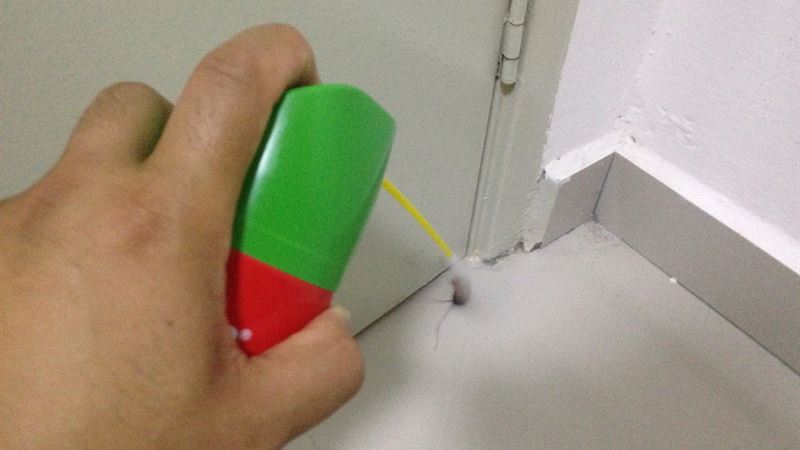
- Insecticidal Sprays: Specialized sprays are effective at knocking down active pests quickly. Spray into cracks and crevices where cockroaches hide. Caution is advised to prevent contamination of bait stations, as sprays can neutralize attractants and repelling agents if used improperly.
- Insect Growth Regulators (IGRs): IGRs interfere with the maturity cycle of cockroaches, preventing nymphs from reaching reproductive age. These products are used as part of a comprehensive pest management plan to eliminate existing populations and prevent future infestations.
- Gel and Powder Treatments: Cockroach gels are formulated as baiting agents that attract pests to a toxic source. They are especially useful in hard-to-reach spots like wall voids, baseboards, and behind appliances. The gel is housed within sealed tubes, minimizing direct contact and reducing risks to humans and pets. Powder formulations, typically containing boric acid, can be applied in cracks and crevices to slowly eliminate pests over time. These methods provide a targeted, less intrusive approach to pest control.
- Alternatives for Indoor Ant Control: Managing ants indoors often overlaps with cockroach control strategies. T300 Liquid Ant Baits by TERRO® are highly effective, containing borax and insecticidal ingredients that attract and eradicate ant colonies. These bait stations are pre-filled, user-friendly, and offer a long-term solution. Additionally, using aerosol sprays like Raid's ant and roach killer can provide quick relief. These products contain imiprothrin and cypermethrin, which disrupt the pests' nervous systems, causing rapid death. Proper placement of these deterrents, especially near entry points and nest sites, is critical for successful eradication.
Achieving optimal control over cockroach infestations involves understanding the specific type of cockroach species, their habits, and preferred habitats. By combining natural repellents, targeted treatments, and preventative measures, homeowners and businesses can maintain hygienic environments and reduce health hazards associated with these common pests.