
Comprehensive Guide to Tree Borers: Identification, Prevention, and Control Strategies
This comprehensive guide provides detailed information on tree borers, their types, signs of infestation, and effective control methods. Learn how to identify, prevent, and manage these pests to protect your trees and landscape health effectively. Implementing proper care, monitoring, and treatment strategies helps maintain strong, healthy trees for years to come.
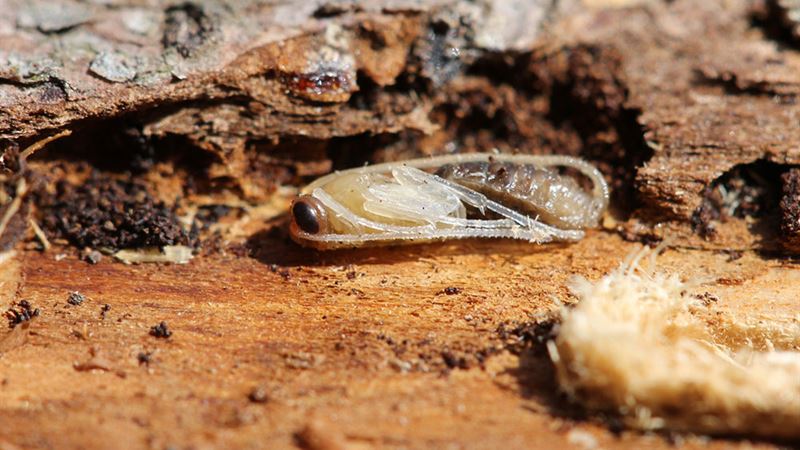
Tree borers are insects that tunnel into trees, impairing their structural integrity and vitality. They create distinctive holes and galleries that weaken the tree, sometimes leading to its death if not addressed promptly. The damage caused by these pests often goes unnoticed until significant symptoms manifest, making it vital for gardeners, landscapers, and orchardists to become familiar with their signs and control methods.
Types of Tree Borers: An In-Depth Overview
Understanding the various species of tree borers is essential to implement correct management practices. The primary types include flat-headed borers, round-headed borers, weevils, and wood-boring moth caterpillars, each with its specific behavior and preferred host trees.
1. Flat-Headed Borers (Clearwing Borers)
Flat-headed borers, often called clearwing borers, are distinguished by their flattened bodies and the characteristic damage they cause. Their larvae tunnel beneath the bark, creating galleries that disrupt nutrient flow within the tree. These borers tend to target stressed or weakened trees, exploiting vulnerabilities that make them easier prey.
Adult borers are often mistaken for wasps because of their slim and elongated bodies, small head, and transparent wings. They lay eggs on the bark of host trees, and upon hatching, the larvae bore into the wood, feeding on the inner layers. The tunneling creates visible galleries filled with frass, often accompanied by sap oozing from the entrance holes.
2. Round-Headed Borers (Longhorn Beetles)
Referred to as longhorn beetles due to their prominent antennae, these insects are easily recognizable. The larvae are typically round or elongated, and damage is primarily done by their tunneling activities within the wood. These borers usually target weakened or dying trees, acting as secondary invaders.
The adult beetles have elongated bodies and long antennae that can sometimes reach lengths comparable to their body. They create round or oval holes in the bark and wood, which can be seen as entry points for further pest invasion and can cause structural weaknesses.
3. Weevils
Unlike other wood-boring insects, weevils tend to attack at the base of trees and on roots rather than the trunk or branches. They create hollow cavities within the wood, compromising the tree's stability. These pests are particularly problematic for young saplings and woody shrubs, causing stunted growth or death if infestations are severe.
4. Wood-Boring Moth Caterpillars (Clearwing Moth Larvae)
This group includes larvae of the clearwing moths, which tunnel beneath the bark and into the wood, creating extensive galleries. Adult moths resemble wasps or butterflies with transparent wings, and their larvae initiate the damage by burrowing into the tree’s inner layers after hatching from eggs laid on the bark surface.
The tunnels left by these caterpillars interfere with the flow of water and nutrients, weakening the structural integrity of the tree. This can lead to dieback, canopy thinning, and in severe cases, tree collapse.
Recognizing the Signs of Tree Borer Infestation
Early detection of borers is vital for effective management. Several telltale signs can alert you to their presence, allowing timely intervention before the infestation causes irreversible damage.
- 1. Entry and Exit Holes: The most conspicuous sign, these holes can be round, semicircular, or oval, depending on the species. They are often visible on the bark surface where the insects have exited after completing their larval development.
- 2. Frass and Sawdust: As borers tunnel through the wood, they produce debris called frass, which appears as fine sawdust or powder around the exit holes and beneath the tree.
- 3. Cracked or Dead Bark: Damage to inner tissues causes the outer bark to crack, split, or peel, exposing the underlying damage. Dead or dying branches may also be a sign of systemic infestation.
- 4. Oozing Sap (Gummosis): Excessive sap oozing from the bark occurs as the tree exerts stress to expel pests or heal wounds caused by tunneling activities. This is common in fruit trees like peaches or mangoes.
- 5. Dieback and Decline: Progressive loss of leaves, dieback of branches, and overall decline suggest an internal infestation disrupting the tree’s health.
Effective Methods to Manage and Eliminate Tree Borers
Managing tree borer infestations involves a combination of chemical, manual, and cultural practices. An integrated approach ensures better results and minimizes environmental impact.
1. Chemical Control
The application of insecticides is one of the most efficient ways to fight active borers. Depending on the species, targeted insecticides or systemic treatments can kill larvae within the wood. Basal bark sprays or trunk injections are common methods for applying chemicals, tailored to the specific pest.
It is essential to adhere to local regulatory standards and guidelines when using pesticides. Always read labels carefully and consult pest control specialists to select the appropriate chemicals and application methods.
2. Pruning and Physical Removal
When the infestation is limited to specific branches or sections of the tree, strategic pruning can be highly effective. Removing and disposing of infested limbs reduces the pest population and prevents further spread. Proper pruning techniques help minimize stress and injury to the remaining tree.
In case of large boreholes or visible larvae, manual removal can be attempted by carefully extracting the pests from the galleries, or by inserting stiff wires into the tunnels to kill larvae inside. This method requires patience and precision but avoids chemical use.
3. Tree Replacement
When a tree’s health has significantly deteriorated due to extensive borer activity, removal and replacement may be the best course of action. Choosing resistant species or varieties suited to the local environment can prevent future problems. Proper disposal of the infested tree material ensures pests are not carried over to other healthy plants.
4. Biological Control
Encouraging natural predators and beneficial insects, such as parasitic wasps and entomopathogenic fungi, can help control borers in an eco-friendly manner. Biological agents are often used in conjunction with other control strategies for sustainable pest management.
Prevention Tips to Protect Your Trees from Borers
Prevention is always better than cure. Implementing sound cultural practices significantly reduces the risk of infestation.
- 1. Proper Tree Care: Maintaining tree vigor through correct watering, fertilization, and mulching creates healthier, more resilient trees less vulnerable to pests. Stress weakens trees, making them easy targets for borers.
- 2. Select Resistant Species: When planting new trees, choose varieties known for their resistance to local pest species. Research which types are less attractive or vulnerable in your region.
- 3. Minimize Mechanical Damage: Use care during mowing, pruning, and construction work around trees. Wounding provides entry points for pests; treat any damage immediately with pruning or wound dressing.
- 4. Regular Monitoring: Conduct routine inspections of your trees, especially during peak activity seasons for borers. Early detection allows for swift action and reduces the likelihood of severe infestation.
Final Thoughts
Tree borers pose a significant threat to the health and stability of woody plants. Understanding their biology, recognizing early signs of infestation, and applying integrated management strategies can greatly improve your success in controlling these pests. Whether through chemical treatments, manual removal, or preventive care, staying vigilant and proactive ensures the longevity of your trees and the beauty of your landscape.