
Comprehensive Guide to Cat Litter Types and Their Impact on Human Health
Explore the various types of cat litter, including clumping, non-clumping, and biodegradable options, and discover their impacts on human health. Learn tips for choosing safe products, minimizing health risks, and maintaining a clean, pet-friendly home environment. This comprehensive guide equips pet owners with crucial insights to ensure safe and responsible litter management, promoting well-being for both humans and cats.
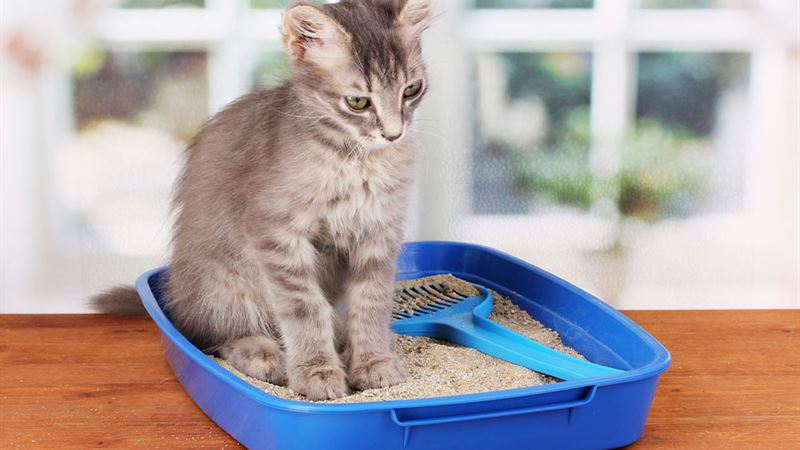
Clumping Cat Litter and Its Health Effects
Clumping litter is one of the most popular choices among cat owners due to its ease of cleaning and odor control. This type of litter contains bentonite, a naturally occurring clay mineral that absorbs moisture and forms compact clumps when exposed to liquid. These clumps make it easier to scoop out waste, maintaining hygiene in the litter box. However, while highly effective, the chemical composition of clumping litter warrants some caution. According to health authorities such as the Centers for Disease Control and Prevention (CDC), inhaling or ingesting bentonite particles may pose risks. Exposure to the fine dust generated during cleaning or scooping can trigger respiratory issues, especially in individuals with pre-existing conditions like asthma. Moreover, some clumping litters contain silica, which has been linked to carcinogenic effects, notably an increased risk of lung cancer with prolonged inhalation. Although the typical exposure levels for pet owners are low and unlikely to cause severe health problems, it remains prudent to handle such products carefully—wearing masks during cleaning and maintaining good ventilation can minimize risks.
Non-Clumping Cat Litter and Associated Risks
Non-clumping cat litter is primarily composed of natural clay, such as bentonite or other mineral-based substances. It functions by absorbing moisture without forming solid clumps, making it a slightly more natural and less powdery option compared to its clumping counterparts. Because of its clay-based nature, non-clumping litter is generally considered safe for humans, provided it is not inhaled or ingested in significant quantities. Nonetheless, prolonged inhalation of airborne dust particles generated during scooping or cleaning can potentially cause respiratory irritation or other health issues, particularly in individuals sensitive to dust or with respiratory conditions. Ingestion of large amounts of clay, although unlikely, might also lead to gastrointestinal problems. Despite these concerns, many pet owners opt for non-clumping litter because it often produces less dust and minimizes the risk of carcinogenic exposure associated with silica in some clumping formulations.
Biodegradable and Plant-Based Cat Litters: A Natural Alternative
In recent years, eco-conscious pet owners have gravitated towards biodegradable, plant-based cat litters made from recycled paper, grains, wheat, corn, and other natural materials. These options offer an environmentally friendly alternative, breaking down naturally over time. However, it’s crucial to recognize that ‘biodegradable’ does not automatically mean entirely safe. Some manufacturing processes involve adding chemicals or additives to enhance absorbency and odor control, which could have adverse health effects with prolonged exposure. Additionally, certain plant-based materials may trigger allergies in sensitive individuals or those allergic to specific plants, leading to skin reactions, respiratory issues, or flare-ups of existing conditions. For users with asthma or other respiratory sensitivities, selecting unscented, chemical-free formulations can significantly reduce the risk of symptoms exacerbation. Proper handling and regular cleaning, with gloves and masks if necessary, are critical to maintaining a safe environment when using these litters.
To ensure safety, pet owners should always review product labels carefully, opting for brands with transparent ingredient lists. Regular cleaning of the litter box reduces dust and bacterial buildup, protecting both human and feline health. Proper ventilation during cleaning and disposal minimizes airborne particles that could be inhaled. As a part of responsible pet care, understanding the potential health impacts of various cat litter types enables owners to make choices that favor everyone’s well-being—pets and humans alike. By prioritizing natural, low-dust options and practicing safe handling habits, you can maintain a healthy and hygienic home environment that supports your pet’s health as well as your own.