
Advantages and Disadvantages of Invisible Dog Fences
Discover the comprehensive advantages and disadvantages of invisible dog fences. Learn how they provide a discreet, cost-effective way to contain your pets, adapt to all terrains, and improve security. Find out about the essential training needed, potential behavioral impacts, and maintenance tips. This guide helps pet owners make informed decisions about modern fencing options, ensuring safety and harmony in their outdoor spaces.
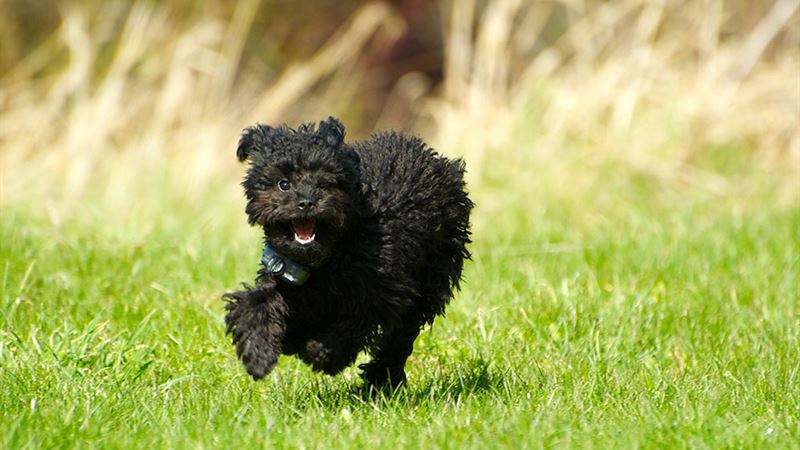
For pet owners seeking effective containment solutions, invisible dog fences have emerged as a popular alternative to traditional fencing. These systems provide a seamless way to keep your canine companions within designated boundaries while preserving the aesthetic appeal of your property. Unlike conventional fences, which can be visually intrusive and time-consuming to install, invisible fences offer a modern, discreet, and efficient solution for pet containment. This comprehensive guide explores the numerous benefits and potential drawbacks of invisible dog fences, helping you decide whether this innovative fencing option is right for your family and pet.
Understanding Invisible Dog Fences
Invisible dog fences, also known as electronic pet containment systems, utilize underground wires and a specialized receiver collar worn by the dog to establish a secure boundary. The system works by emitting a signal from the underground wire, which is detected by the collar when the dog approaches the boundary. Upon nearing the perimeter, the dog receives a warning such as a beep, followed by a mild static correction if it continues to cross the boundary. This technology allows pet owners to create a customizable, invisible barrier that adapts to the unique features of their property.
Key Benefits of Invisible Dog Fences
- Enhanced Aesthetic Appeal
One of the most significant advantages of invisible fencing is its unobtrusive nature. Since the boundary is underground, it preserves the natural beauty and open view of your yard. Unlike traditional fencing, which can be bulky, visually obstructive, and require maintenance, invisible fences blend seamlessly into the landscape. This maintains the aesthetic integrity of your property while ensuring your dog remains contained.
- Ease of Installation and Cost-Effectiveness
Compared to traditional fences, electric invisible fences are quicker and cheaper to install. Standard fencing may involve digging, concrete work, nailing, or welding—processes that can be labor-intensive and costly. In contrast, installing an invisible fence typically takes just a few hours, with minimal disturbance to your yard. This cost-efficiency makes the invisible fence a practical choice for many pet owners looking for reliable containment without breaking the bank.
- Flexibility and Adaptability to Terrain
Invisible fences excel in various terrains where traditional fencing might struggle. Whether your property has uneven ground, slopes, rocky patches, or dense vegetation, underground wiring can be laid to follow the landscape accurately. This flexibility ensures that your pet’s boundary is consistent throughout your entire yard, regardless of terrain challenges.
- Increased Security and Protection
An added benefit of some electric fencing systems is their proximity to your home and walls, serving as an extra layer of security. Installing the wire at strategic locations can help deter break-ins or unauthorized access. Additionally, you can train your dog to recognize their boundaries with the help of visual cues like training flags, which are gradually removed as the pet becomes accustomed to the system. This way, your pet learns to respect the enclosed space effectively.
Potential Drawbacks and Challenges
- Training Requirements
While invisible fences are highly effective, they do require initial training. Pets must be familiarized with the warning beep and the correction signals to understand their boundaries. The process involves guiding your dog around the perimeter while using training flags, then gradually removing these markers as the animal learns to stay within the designated area. This training period is crucial to prevent your pet from becoming fearful or confused about the boundaries.
- Behavioral Changes and Frustration
Some dogs may experience behavioral adjustments due to the invisible fence barrier. When dogs see other animals or people outside the boundary, they might become anxious or frustrated, especially if they are used to unrestricted access to the yard or street. The restriction can lead to increased barking, aggression, or attempts to escape, which might require additional behavioral training. Moreover, social interactions could be affected, as dogs might not be able to greet neighbors or other dogs safely.
- Technical Limitations and Maintenance
Like all electronic systems, invisible fences are susceptible to technical issues. Damage to the underground wire from digging, rodent activity, or weather conditions can compromise the boundary. Regular inspection and maintenance are necessary to ensure the system’s integrity. Additionally, the collar batteries need periodic replacement or recharging for consistent operation.
Choosing the Right Invisible Fence System
When selecting an invisible dog fence, consider factors such as size of your yard, your pet’s behavior, and your budget. Many systems offer customizable boundary shapes and depths, so choose one suited to your property’s layout. Look for reputable brands with positive customer reviews, reliable customer service, and warranty coverage. Proper installation and training are key to maximizing the effectiveness of any invisible fencing system.
Conclusion
Invisible dog fences present a modern, efficient, and aesthetically pleasing solution for pet containment. They are especially suitable for homeowners who prefer unobtrusive fencing that can adapt to various terrains and offer quick installation. However, they do require proper training, regular maintenance, and some behavioral management. By understanding both the benefits and limitations, pet owners can determine whether an invisible fence aligns with their needs and their dog’s well-being. When installed and used correctly, these systems can provide a safe, secure environment for your pets while maintaining the visual harmony of your property.