
Comprehensive Guide to Birth Control Options and Their Examples
Explore an extensive overview of birth control methods, including hormonal, intrauterine, barrier, and permanent options. Discover the effectiveness, pros and cons, and suitability of each method to make informed reproductive choices. This comprehensive guide helps women and couples understand various contraception solutions to meet their health and lifestyle needs effectively.
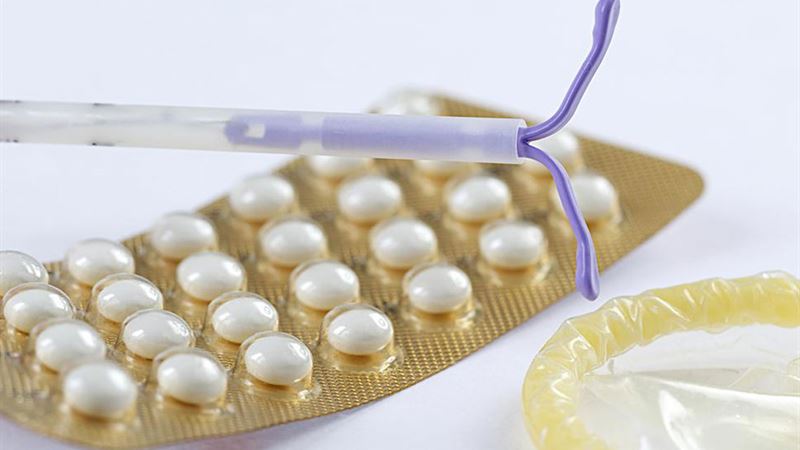
Hormonal Contraceptive Methods
- Birth Control Implant
Known as etonogestrel implants, these are tiny, flexible rods inserted beneath the skin of the upper arm by healthcare professionals. They continuously release a synthetic hormone called progestin, which prevents pregnancy by thickening cervical mucus and halting ovulation. This method is highly effective and can provide protection for up to five years, making it a convenient long-term solution. The procedure is minimally invasive, and most women experience minimal discomfort. It's important to note, however, that this form of contraception does not offer protection against sexually transmitted infections (STIs) or HIV. The success rate exceeds 90%, making it one of the most reliable forms of birth control available.
Hormonal Ring
- The vaginal ring is a small, flexible device inserted into the vagina, where it remains for three weeks before being removed for a week to allow for menstruation. It releases a combination of estrogen and progestin into the bloodstream, preventing ovulation and thickening cervical mucus. This method provides a discreet and user-friendly option for women who prefer hormonal contraception. However, women with a history of blood clots, inherited clotting disorders, breast cancer, stroke, or migraines may be advised against using this method due to increased health risks. Proper use and adherence are essential for effectiveness.
Birth Control Injections
- Progestin injections, administered by a healthcare provider every three months, are a highly effective form of contraception, boasting a success rate of approximately 96%. The injections work by suppressing ovulation, thickening cervical mucus, and thinning the uterine lining. This method is ideal for women who prefer not to take daily pills and seek long-lasting protection. Potential side effects include weight gain, irregular bleeding, mood swings, and bone density reduction in some cases. Regular medical consultations are necessary to monitor health and address any adverse effects.
Progestin-Only Pills
- Often called "mini-pills," these contain only progestin and are suitable for women who cannot tolerate estrogen due to health conditions such as migraines or a history of blood clots. They must be taken at the same time daily to maintain effectiveness, which exceeds 90%. Common side effects include irregular menstrual bleeding, breast tenderness, and changes in libido. They are a discreet, oral alternative for women seeking hormone-based birth control without estrogen. For optimal results, consistent daily intake is critical.
Combined Oral Contraceptives
- Over-the-counter pills combining estrogen and progestin are widely used and highly effective when taken correctly. They are recommended to be taken within the first two days of unprotected sex to prevent pregnancy. However, their use might be contraindicated for women over 35, especially those with a history of blood clots, breast cancer, or cardiovascular issues. These pills regulate menstrual cycles, reduce ovarian cysts, and may lessen the risk of certain cancers. Consultation with a healthcare professional is essential before initiating this method to ensure safety and appropriate use.
Transdermal Patch
- The contraceptive patch is applied to the skin on the lower abdomen, buttocks, or upper arm. It releases estrogen and progestin into the bloodstream, preventing ovulation. The patch is replaced weekly for three weeks, with a fourth week without a patch to induce menstruation. It offers a convenient, non-daily method of birth control and is suitable for women who prefer a patch over pills. Proper application and adherence are crucial for maintaining its effectiveness. Women with certain health conditions should consult their healthcare provider before use.
IUDs and Intrauterine Methods
- Intrauterine Devices (IUDs)
IUDs are small, T-shaped devices inserted into the uterus by a healthcare provider. They are among the most effective reversible contraceptive methods available, with success rates approaching 99%. There are two main types: copper IUDs and hormonal IUDs. Copper IUDs release copper ions that are toxic to sperm, providing protection for up to 10 years. Hormonal IUDs release progestin, which thickens cervical mucus and inhibits ovulation, offering protection for around five years. Both types can cause side effects such as irregular periods, uterine discomfort, or spotting, but their high efficacy makes them a popular choice for long-term contraception.
Barrier Methods
- Male Condoms
Made from latex or other materials, male condoms are a barrier method that prevents sperm from entering the female reproductive system. They also offer protection against HIV and other STIs, making them a dual-purpose device. When used correctly, they have a success rate of nearly 90%. Condoms are easily accessible, inexpensive, and do not involve hormonal side effects. Proper use, including correct sizing and storage, is essential to maximize their effectiveness.
- Female Condoms
Female condoms are inserted into the vagina to block sperm entry. They can be used up to eight hours before intercourse and are a good alternative for women seeking control over contraception without hormonal involvement. Their effectiveness is slightly lower than male condoms, but they still provide a reliable barrier method when used correctly. They also offer protection against STIs, including HIV.
- Cervical Caps and Sponges
The cervical cap is a small, thimble-shaped cup made of silicone or latex, designed to fit over the cervix. It is used with spermicide to kill sperm upon entry. Proper fitting by a healthcare professional is vital for effectiveness. Sponges are similar but contain spermicide and are left in place for at least six hours after intercourse. These methods have success rates up to 80% and are suitable for women who prefer non-hormonal, reusable options for contraception.
Permanent Contraceptive Procedures
- Vasectomy (Male Sterilization)
Vasectomy involves cutting or blocking the vas deferens, the tubes that carry sperm from the testicles. It is a quick outpatient procedure with a success rate of about 99%, providing a permanent solution for couples not planning future pregnancies. The procedure is minimally invasive, performed under local anesthesia, and offers a high level of reliability with minimal recovery time.
- Tubal Ligation (Female Sterilization)
This outpatient surgical procedure involves tying or sealing the fallopian tubes to prevent fertilization. It is considered a permanent and highly effective method of contraception, with success rates similar to vasectomy. The procedure typically involves minimal risks, such as infection or bleeding, and women can usually resume normal activities shortly after. It's important to consider this option carefully, as it is irreversible in most cases.