
Comprehensive Guide to Tubal Ligation Surgery: Methods, Procedures, and Recovery
This comprehensive guide explores the various methods of tubal ligation, including surgical procedures like laparoscopy and non-surgical options like implants. It details preoperative preparations, procedural steps, recovery tips, benefits, risks, and considerations for women seeking permanent contraception. Designed to inform and empower women, this article provides in-depth insights into making an informed choice about tubal ligation, highlighting its safety, effectiveness, and modern advancements in minimally invasive techniques for reproductive health management.
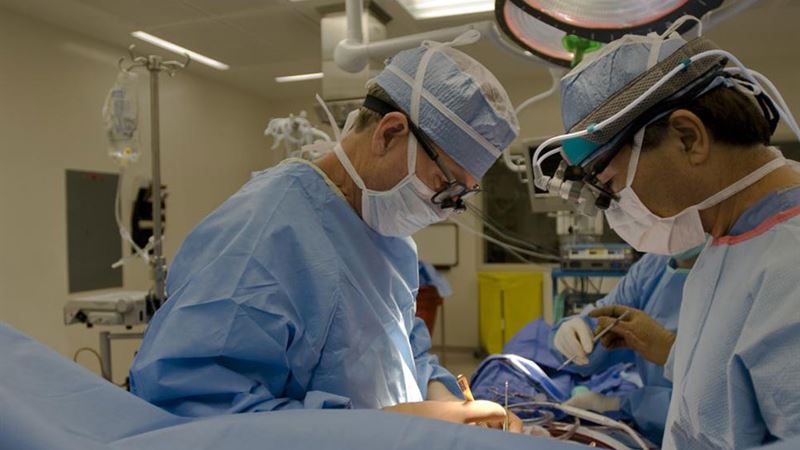
Understanding the various techniques used in tubal ligation is essential for women considering this form of permanent contraception. The primary goal of the procedure is to block or seal the fallopian tubes, preventing eggs from reaching the uterus and thereby halting fertilization. Several methods exist to achieve this, each suited to different clinical scenarios and patient preferences. The choice of method depends on individual health conditions, previous surgeries, and personal preferences. Let's explore these methods in detail:
- Clipping or Banding: This approach involves applying clips or bands around the fallopian tubes to occlude them. These devices are designed to be minimally invasive and preserve the integrity of surrounding tissues. It is often favored for its quick application and reduced risk of excessive bleeding.
- Cutting and Stitching: This traditional method involves surgically cutting the fallopian tubes, followed by stitching or cauterizing the ends to prevent reopening. This technique requires a more invasive procedure or laparoscopic equipment, typically performed under general anesthesia.
- Burning or Cauterization: Using thermal cautery, the surgeon burns the fallopian tubes, sealing them shut. This method can be integrated into other surgical techniques and is effective in permanently occluding the tubes.
These procedures are commonly performed via minimally invasive approaches such as laparoscopy or mini-laparotomy, which involve small incisions in the abdomen. These methods reduce recovery time, minimize scarring, and lower postoperative discomfort. The specific choice of technique depends on the patient's health, surgical history, and the surgeon's expertise.
Types of Tubal Ligation Procedures
- Postpartum Tubal Ligation: Often performed shortly after childbirth, typically within 24 to 36 hours post-delivery. This timing leverages the postpartum period when the woman is already undergoing delivery-related procedures, making it convenient and reducing the need for additional anesthesia or surgery. The procedure is usually straightforward and may be performed via laparoscopy or another minimally invasive approach while the woman remains in the hospital.
- Laparoscopic or Laparotomy Tubal Ligation: The most common form involves a small incision near the navel (laparoscopy) or a larger incision across the abdomen (laparotomy). The laparoscopic method employs a slender camera and specialized instruments, allowing precise surgery with fewer complications and faster recovery. Laparotomy is generally reserved for cases requiring additional abdominal procedures or when laparoscopy is contraindicated. Both methods involve the surgeon sealing or severing the tubes using clips, rings, or cauterization. Typically performed under general anesthesia, this approach leaves a visible scar, but it is highly effective in permanent sterilization.
- Hysteroscopic Tubal Implants (e.g., Essure): A non-surgical, outpatient procedure where tiny metal coils or inserts are placed into the fallopian tubes via the vagina using a small flexible catheter. The process takes roughly 10–15 minutes per side and does not require anesthesia. Following placement, tissue growth causes scar tissue to form around the implants over about three months, permanently blocking the tubes. Confirmatory imaging, such as X-ray or hysterosalpingogram, ensures successful placement. This method has gained popularity due to its minimal invasiveness and rapid recovery, though it is not suitable for women with certain health conditions or previous surgeries.
Detailed Breakdown of the Tubal Ligation Process
Preoperative Preparation
Prior to the procedure, women undergo a thorough medical evaluation, including history taking, physical examination, and some laboratory tests. It is crucial to discuss medical history, previous surgeries, allergies, and any medication use. Women are advised to fast for several hours before the procedure and to arrange transportation afterward, as anesthesia will be administered. Informed consent is obtained, ensuring the patient understands the benefits, risks, and alternatives.Performing the Surgery
Depending on the chosen method, the surgeon performs the procedure as follows:- For Laparoscopic Tubal Ligation: After administering general anesthesia, small incisions are made in the abdomen. A laparoscope—a thin tube with a camera—is inserted to visualize the fallopian tubes. Specialized instruments are then used to apply clips, rings, or to cauterize the tubes, effectively blocking or severing them. The entire procedure typically lasts 30–60 minutes.
- For Postpartum or Laparotomy Tubal Ligation: The surgeon makes an incision either in the lower abdomen or just above the pubic area. The fallopian tubes are identified and either cut and stitched or occluded using other devices. After ensuring complete occlusion, the incision is closed with sutures, and the patient is moved to recovery.
- For Hysteroscopic Tubal Implants: No incisions are necessary. A hysteroscope is inserted through the vagina and cervix into the uterus. The sterile implants are then introduced into each tube. The procedure is quick, with minimal discomfort, and often performed under local anesthesia.
Postoperative Care and Recovery
Post-surgery, patients are monitored closely. Minor discomfort, cramping, and fatigue are common and managed with over-the-counter pain relievers. Women are advised to avoid strenuous activities for several days and to keep the surgical site clean to prevent infection. Follow-up appointments are scheduled to confirm the success of the procedure, especially in cases involving implants where additional imaging is necessary to verify placement. Most women can resume normal activities within a few days to a week, depending on the method used and individual recovery speed.Advantages of Tubal Ligation
This form of permanent contraception offers numerous benefits:- High effectiveness in preventing pregnancy, with a success rate exceeding 99%.
- Long-term solution that eliminates the need for daily or monthly contraceptive methods.
- Minimal ongoing costs once the procedure is completed.
- Quick recovery time, particularly with minimally invasive techniques.
- Does not involve hormones, making it suitable for women who cannot tolerate hormonal contraceptives.
Potential Risks and Complications
While generally safe, tubal ligation carries some risks:- Bleeding or infection at the incision site.
- Postoperative pain or discomfort.
- In rare cases, failure leading to pregnancy, which can be ectopic.
- Adverse reactions to anesthesia.
- Risks associated with specific methods, such as device migration or incomplete occlusion.