
Comprehensive Guide to Astrology Types and Divination Techniques
This comprehensive article explores various types of astrology, including Vedic and Western systems, and dives deep into diverse divination tools like tarot, pendulums, and spirit boards. It highlights each practice's unique methods, applications, and historical significance, empowering readers to understand and choose their preferred spiritual guidance tools for personal growth and decision-making. By understanding these disciplines, anyone can harness celestial insights and supernatural means to navigate life's challenges and seek clarity in their journey.
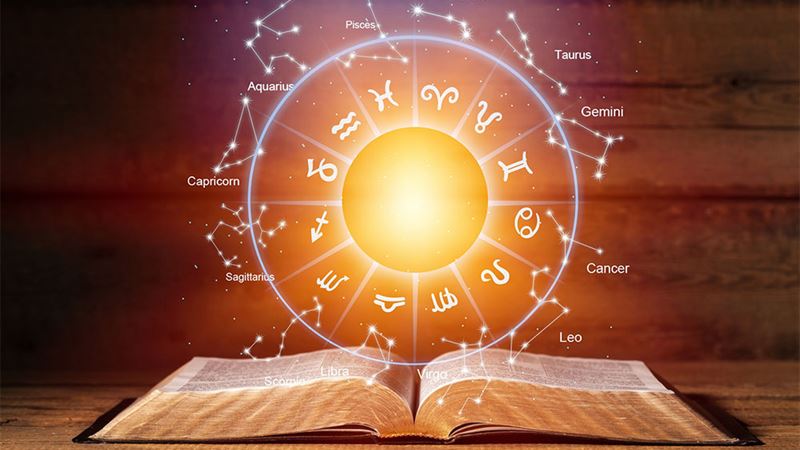
Understanding Astrology and Its Varieties
Astrology is a profound discipline that interprets the influence of celestial bodies on human affairs. The different types of astrology serve various purposes, ranging from personal insight to guiding major life decisions. Each branch is rooted in unique methodologies and traditions, offering a broad spectrum of spiritual and practical applications.
Vedic Astrology (Jyotish)
- Origin and Significance: Also known as Hindu astrology, Vedic astrology is deeply embedded in Indian spiritual practices and daily life. It uses an intricate system based on the sidereal zodiac, aligning with actual constellations, unlike Western astrology.
- Applications: Hindus rely on Vedic astrology for significant life events such as naming ceremonies, choosing auspicious dates for marriage, launching new ventures, and even selecting the best timings for travel or health treatments.
- Techniques: Utilizing a detailed birth chart called a 'Kundli,' practitioners analyze planetary positions, nakshatras (lunar mansions), dashas (planetary periods), and transits that influence personal destinies.
Western Astrology
- Origins and Foundations: Rooted in the classical texts like Ptolemy’s 'Tetrabiblos,' Western astrology emphasizes the Sun sign and personal horoscopes based on the tropical zodiac, aligned with seasons rather than stars.
- Uses and Benefits: Widely popular, especially for understanding daily trends, personality traits, and compatibility. It focuses on the Sun, Moon, and Ascendant signs to provide a comprehensive personality profile.
- Methods: Uses a natal chart, also called a birth map, to analyze celestial influences at the time of birth, helping individuals gain insights into their life path.
Love and Relationship Astrology
- Understanding Compatibility: Relationship astrology employs charts like synastry and composite charts to explore romantic compatibility, communication styles, and potential challenges between partners.
- Application: Such charts help couples understand their connection, resolve conflicts, and deepen emotional bonds by highlighting areas of harmony and discord.
Medical Astrology
- Complexities and Insights: One of the most intricate branches, medical astrology correlates planetary positions with health issues. Practitioners analyze charts at the time of illness or birth to determine predispositions and treatment timings.
- Purpose: It aims to offer preventive advice and identify potential health vulnerabilities based on planetary influences.
Horary Astrology
- Historical Context: Originating in the 8th century, horary astrology is centered around answering specific questions with precision. The chart is cast for the moment the question is asked, serving as an oracular tool.
- Application: Whether asking about career moves, relationships, or legal concerns, this method helps deliver clear responses based on planetary positions at the time of inquiry.
Electional Astrology
- Timing and Planning: Ideal for choosing auspicious moments to undertake significant actions—be it getting married, starting a project, or moving houses. This branch ensures timing aligns with favorable celestial influences.
Uranian Astrology
- Unique Approach: It utilizes midpoints and planetary triggers to inform action and decision-making, emphasizing subtle energetic shifts that influence various life areas.
Divination Tools and Their Significance
Divination encompasses practices that explore supernatural or spiritual means to gain insight into the future, understand current energies, or decipher the intentions of the soul. Different tools and methods provide varied perspectives, often complementing astrological readings.
Spirit Boards
- Functionality: Spirit boards, like the famous Ouija board, channel spirits during seances or spiritual sessions, facilitating communication between the living and the departed.
- Usage: Often used for guidance, answering questions, or connecting with loved ones who have passed away.
Pendulums
- Application: Used primarily for yes/no questions, pendulums are simple yet powerful divination tools that interpret subtle energy shifts to provide clear responses.
Crystal Balls
- Purpose: Crystal balls are used for scrying—gazing into the glass to perceive images, symbols, or scenes relevant to the question or situation at hand.
Tarot Cards
- Fortune Telling: Tarot decks consist of symbolic cards that, when drawn and placed in specific layouts, reveal insights about the past, present, and future. Each card’s imagery and position contribute to the interpretation.
- Varieties: Numerous decks exist, each with unique artwork and themes, but all serve as reflective tools for self-discovery and foresight.
Oracle Cards
- Flexibility: Closer to tarot but generally less structured, oracle cards provide intuitive guidance and are often designed around specific themes or energies.
Automatic Writing
- Technique: Involves holding a pen and allowing messages from higher consciousness or spirits to flow directly onto paper without conscious control, offering insights beyond logical reasoning.
Other Ancient Methods of Divination
- Tea Reading: Interpreting the remnants of tea leaves in a cup to gain foresight.
- Sand Divination: Observing patterns formed by spots or shapes in the sand or stones.
- Scrying: Using reflective surfaces like water to perceive visions or symbols.
- Bird Omens (Ornithomancy): Studying bird flight and behavior to forecast events.
- Pyro-osteomancy: An ancient Chinese method where inscribed bones are heated to produce cracks that reveal messages or predictions.
Embracing these various forms of astrology and divination offers a unique pathway to self-awareness, spiritual growth, and informed decision-making. Whether one prefers the detailed cosmic charts of Vedic astrology or the intuitive insights from tarot cards, exploring these arts can empower you to navigate life's uncertainties with confidence. Trust in the process, and allow these ancient and modern tools to guide your journey toward clarity and purpose.