
Essential Guide to Choosing and Using Prayer Beads for Spiritual Practice
Discover the comprehensive guide to selecting and using prayer beads, including materials, spiritual significance, and meditation techniques. Learn how wooden, seed, and bone beads can enhance your mindfulness, deepen your spiritual practice, and promote emotional well-being. Perfect for beginners and seasoned practitioners alike, this article explores the rich symbolism and practical application of prayer beads across various cultures. Start your journey to inner peace and spiritual growth today with expert tips on choosing and meditating with prayer beads for a more meaningful spiritual experience.
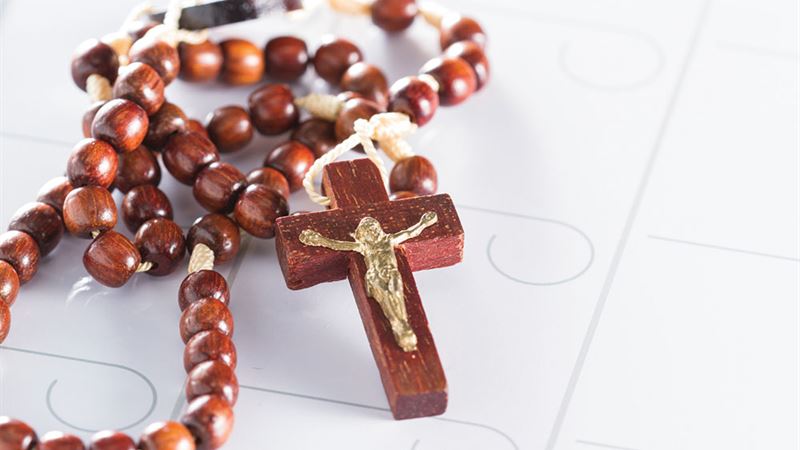
Prayer beads, also known as malas, are ancient spiritual tools used across various religious traditions to aid in meditation, prayer, and focus. Typically consisting of 108 beads, these tools serve as tangible representations of spiritual connection and mindfulness. The design of each bead facilitates a rhythmic chant or breath, helping practitioners deepen their meditation experience and foster positive energy. Whether used in Buddhism, Hinduism, or other spiritual practices, prayer beads are revered for their ability to enhance concentration and bring a sense of calm and spiritual alignment.
Materials Used in the Crafting of Prayer Beads
Historically, prayer beads have been crafted from a diverse array of organic materials, reflecting cultural and spiritual significance. Commonly, they are made from woods, seeds, stones, or bones, each carrying symbolic meanings. Rudraksha seeds are among the most revered, known for their powerful spiritual and healing properties. These seeds originate from the Rudraksha tree and are believed to promote mental clarity and divine connection. Bodhi seeds, derived from the sacred fig tree associated with enlightenment, are also popular choices. The natural origin of these materials not only enhances their spiritual significance but also aligns the practitioner with the natural world.
In Tibetan culture, prayer beads crafted from carved bones symbolize compassion and the transient nature of life. These bone beads serve as a solemn reminder of impermanence and the spiritual journey toward enlightenment. Other materials, such as sandalwood, ebony, and coral, are also used depending on cultural context and personal preference. The choice of material can influence the meditative quality of the mala, with natural, organic substances often preferred for their healing and grounding properties.
Using Wooden Prayer Beads for Spiritual Grounding
When selecting prayer beads, many individuals opt for wooden varieties to foster a deeper connection with the Earth. Wooden beads are revered for their natural warmth and grounding energy, making them an excellent choice for meditation and spiritual practice. They are believed to assist in calming the mind, enhancing mindfulness, and fostering a sense of stability during challenging times. Different types of wood, such as sandalwood, cedar, or rosewood, carry unique energetic properties that can be aligned with personal spiritual goals. Choosing the right type of wood can deepen your practice and support your journey toward inner peace.
Step-by-Step Guide to Meditating with Prayer Beads
Entering into meditation with prayer beads does not require extensive knowledge of religious texts or rituals. The core principle is mindfulness—being present and fully engaged in the moment. To begin, find a quiet, comfortable space and sit in a relaxed posture. Clear your mind of distractions, focusing on your breath or a calming mantra. Gently hold the mala in one hand, noting the presence of the larger bead near the string known as the guru bead. Using your thumb and index finger, softly grasp the bead next to the guru bead, and then, with gentle movements, slide the beads through your fingertips as you chant a mantra, prayer, or affirmation. Each bead represents a count, aiding concentration and deepening your focus. When you reach the guru bead again, it signifies completing a full cycle of your prayer or meditation. You can repeat the cycle or sit in silence for a few moments before concluding your session. This simple practice can significantly enhance mental clarity, emotional stability, and spiritual growth.
In essence, prayer beads are more than just tools; they are gateways to inner peace and spiritual awakening. By choosing the right materials and practicing regularly, practitioners can cultivate mindfulness, compassion, and a sense of divine connection in everyday life. Incorporating prayer beads into your spiritual routine can transform your meditation practice and help you navigate life's challenges with greater clarity and tranquility.