
Comprehensive Guide to Patio Furniture Covers: Types, Benefits, and Usage Tips
Discover the comprehensive guide to selecting the right patio furniture covers. Learn about various types, materials, and tips for protecting your outdoor furniture from weather damage, UV rays, and dirt. Keep your patio furniture looking new for years with proper cover choices tailored to each furniture piece. Whether dealing with rain, sun, or insects, this article provides expert advice and insights to help you invest wisely in durable, weather-resistant covers suited to your outdoor space. Essential reading for homeowners and outdoor space enthusiasts.
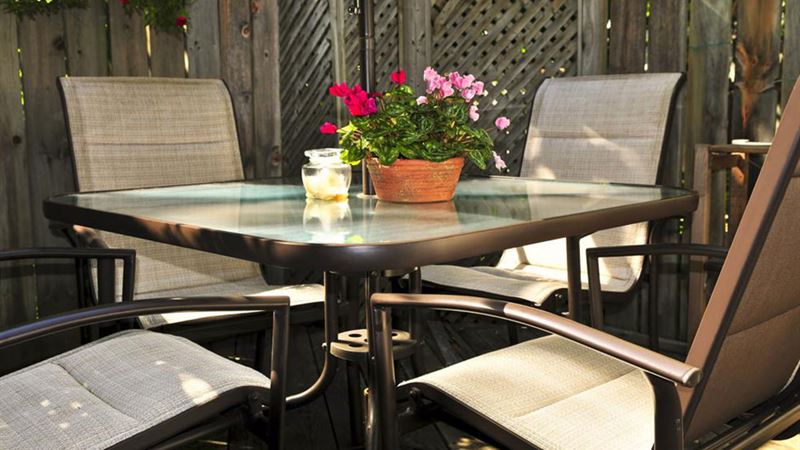
There is a wide variety of patio furniture covers designed to meet different needs. Some covers are specially engineered with UV-resistant materials to prevent sun-related deterioration. These covers are crafted from durable, waterproof, and weather-resistant fabrics, ensuring your furniture remains protected in different climatic conditions.
Understanding Different Types of Patio Furniture Covers
Patio furniture covers are available in multiple forms to cater to different types of outdoor furniture. The most common categories include covers for chairs, tables, lounges, umbrellas, and even outdoor heaters. These covers are designed not only to fit specific furniture shapes but also to withstand various environmental challenges.
- Chair Covers: Designed to snugly fit around various styles of outdoor chairs, including armchairs and dining chairs. These covers are made from elastic or drawstring materials to ensure a secure fit.
- Table Covers: Large, heavy-duty covers meant to protect outdoor tables from dust, rain, and UV damage. They often come with ties or straps to prevent them from blowing off in windy conditions.
- Lounge and Chaise Lounge Covers: Custom-sized to fit lounge chairs and chaise longues, these covers help preserve comfort and style while preventing weather-related damage.
- Umbrella Covers: Specially made to fit over patio umbrellas, guards against sun damage and helps prolong the lifespan of the fabric and structural components.
- Heater Covers: For outdoor patio heaters, these covers prevent rust and dirt accumulation, maintaining their efficiency and appearance.
The main advantage of having dedicated covers for each furniture piece is enhanced protection and ease of maintenance. Additionally, some covers are designed with features like water resistance, UV protection, insect repellence, and breathability to prevent mold and mildew.
Choosing the right cover involves considering the material, size, and features that best suit your outdoor environment and furniture collection. For instance, heavy-duty polyester or vinyl covers are favored in regions with high rainfall, while UV-resistant fabrics are preferred in sunny climates.
Beyond primary protection, some covers come with extra features like rust-proof eyelets for secure attachment, vented designs to prevent condensation build-up, and reinforced seams for durability.
Proper usage and maintenance are key to maximizing the lifespan of your patio furniture covers. Regular cleaning, ensuring the covers are dry before storage, and inspecting for wear and tear will help keep them functional longer. Store the covers in a dry, cool place when not in use for extended periods to prevent mold and deterioration.
In conclusion, investing in the right patio furniture covers is a strategic move for any homeowner or property manager aiming to preserve outdoor furniture in pristine condition. With a wide range of options available, it's important to select covers that fit your specific furniture pieces and withstand local weather conditions. Doing so will not only keep your outdoor space looking attractive but also protect your furniture investment for many years.
Maintaining your outdoor furniture with quality covers ensures your patio remains inviting and stylish, ready for gatherings and relaxation regardless of the season. Whether you live in a rainy, windy, or sunny climate, there's an ideal cover solution to suit your needs. Remember, proactive protection is always better than costly repairs or replacements caused by neglect or exposure.