
Comprehensive Guide to Psoriasis: Types, Symptoms, and Home Treatment Options
This comprehensive guide covers all aspects of psoriasis, including its various types, symptoms, triggers, and effective home remedies. Learn how to manage this chronic skin condition through natural methods and medical treatments, improving your quality of life with expert-backed advice and lifestyle tips.
Psoriasis is a complex, chronic skin disorder characterized by abnormal immune responses that lead to rapid skin cell growth. This condition manifests through various forms, each with distinct symptoms and triggers. Understanding these differences is crucial for managing psoriasis effectively. The condition's flare-ups can be influenced by several factors, such as stress, infections, climatic changes, and lifestyle habits. Despite there being no permanent cure for psoriasis yet, numerous treatments and home remedies can significantly reduce symptoms and improve quality of life. This extensive guide explores the different types of psoriasis, their signs, triggers, and effective home remedies, alongside conventional treatment options.
**Understanding Psoriasis and Its Variants**
Psoriasis is not just a superficial skin condition; it is an autoimmune disorder where the immune system mistakenly attacks healthy skin cells, leading to inflammation and rapid cell turnover. The hallmark of psoriasis includes the development of scaly, red patches on the skin, but the presentation varies depending on its type. Proper identification of the subtype is essential for devising the most effective treatment plan.
The most common and well-known form is plaque psoriasis, but other variants, such as guttate, pustular, and scalp psoriasis, also significantly impact affected individuals' lives. Among less common types are erythrodermic and inverse psoriasis, which require special attention due to their severity and specific management requirements.
Psoriasis is not just a superficial skin condition; it is an autoimmune disorder where the immune system mistakenly attacks healthy skin cells, leading to inflammation and rapid cell turnover. The hallmark of psoriasis includes the development of scaly, red patches on the skin, but the presentation varies depending on its type. Proper identification of the subtype is essential for devising the most effective treatment plan.
The most common and well-known form is plaque psoriasis, but other variants, such as guttate, pustular, and scalp psoriasis, also significantly impact affected individuals' lives. Among less common types are erythrodermic and inverse psoriasis, which require special attention due to their severity and specific management requirements.
**Major Types of Psoriasis**
Several factors can trigger flare-ups or worsen existing psoriasis. Recognizing and minimizing these triggers is key to effective disease management.
- **Stress:** Emotional or physical stress can exacerbate psoriasis symptoms because stress influences immune response.
- **Infections:** Throat infections, respiratory infections, or skin infections can prompt flare-ups.
- **Injury to Skin:** Cuts, scrapes, or sunburns can trigger the Koebner phenomenon, leading to new psoriasis lesions.
- **Weather Conditions:** Cold, dry weather often worsens symptoms, while humidity can sometimes provide relief.
- **Medications:** Certain medications like beta-blockers, antimalarials, and lithium can induce or aggravate psoriasis.
- **Lifestyle Factors:** Smoking, excessive alcohol consumption, and poor diet may contribute to severity and frequency.
- **Hormonal Changes:** Fluctuations, especially in women during pregnancy or menopause, can influence psoriasis presentation.
- Plaque Psoriasis: This is the most prevalent form, accounting for about 80-90% of cases. It manifests as raised, reddish patches covered with silvery-white scales. These plaques often appear on the elbows, knees, scalp, and lower back, but they can develop anywhere on the body. The patches may be itchy, painful, and sometimes bleed when scratched. Over time, if untreated or poorly managed, plaques can become thickened and more resistant to therapy.
- Guttate Psoriasis: Characterized by small, drop-shaped spots that appear suddenly, often after infections such as streptococcal throat infections. These tiny lesions are pink or red and usually found on the trunk, arms, and legs. Guttate psoriasis is common in children and young adults and is sometimes mistaken for an allergic skin reaction.
- Pustular Psoriasis: This form involves widespread white, pus-filled blisters (pustules) on red, inflamed skin. It may affect localized areas like the hands and feet or cover large parts of the body. Pustular psoriasis can cause fever, chills, and severe discomfort, sometimes leading to systemic symptoms that require urgent medical attention.
- Scalp Psoriasis: This affects the scalp, leading to red, itchy, and flaky patches that may extend to the forehead, back of neck, or behind the ears. It can sometimes resemble dandruff but tends to be more stubborn and may cause hair loss if severe or prolonged.
- Other Types: Less common forms include erythrodermic psoriasis, which causes widespread redness, scaling, and pain, and inverse psoriasis, affecting skin folds such as underarms, groin, and behind the knees. Each type requires tailored management strategies.
Several factors can trigger flare-ups or worsen existing psoriasis. Recognizing and minimizing these triggers is key to effective disease management.
- **Stress:** Emotional or physical stress can exacerbate psoriasis symptoms because stress influences immune response.
- **Infections:** Throat infections, respiratory infections, or skin infections can prompt flare-ups.
- **Injury to Skin:** Cuts, scrapes, or sunburns can trigger the Koebner phenomenon, leading to new psoriasis lesions.
- **Weather Conditions:** Cold, dry weather often worsens symptoms, while humidity can sometimes provide relief.
- **Medications:** Certain medications like beta-blockers, antimalarials, and lithium can induce or aggravate psoriasis.
- **Lifestyle Factors:** Smoking, excessive alcohol consumption, and poor diet may contribute to severity and frequency.
- **Hormonal Changes:** Fluctuations, especially in women during pregnancy or menopause, can influence psoriasis presentation.
**Effective Home Remedies for Psoriasis Management**
While medication prescribed by healthcare providers remains the mainstay of treatment, several natural remedies can complement conventional therapy. These remedies aim to soothe irritated skin, reduce inflammation, and prevent flare-ups. Here are some of the most effective home-based strategies:
**Conventional Treatment Options**
For more controlled management of psoriasis, dermatologists recommend various medicinal creams and systemic therapies based on severity and disease type:
Psoriasis is a lifelong condition requiring ongoing care. Regular follow-ups with healthcare providers, adherence to prescribed treatments, and lifestyle modifications are essential for minimizing flare-ups and maintaining skin health.
- **Stress Management:** Techniques such as meditation, yoga, and mindfulness can lower stress levels, thereby reducing the risk of flare-ups.
- **Healthy Diet:** Emphasize an anti-inflammatory diet rich in fruits, vegetables, and healthy fats. Avoid known triggers that provoke symptoms.
- **Proper Skincare Routine:** Gentle cleansing, moisturizing, and avoiding harsh skincare products help maintain skin integrity.
- **Avoid Triggers:** Manage environmental factors, minimize injuries to skin, and stay consistent with treatments.
While medication prescribed by healthcare providers remains the mainstay of treatment, several natural remedies can complement conventional therapy. These remedies aim to soothe irritated skin, reduce inflammation, and prevent flare-ups. Here are some of the most effective home-based strategies:
- Intensive Moisturization: Keeping the skin moist is crucial for managing dryness, scaling, and itchiness. Use fragrance-free, gentle emollients regularly, especially after bathing or washing affected areas.
- Colloidal Oatmeal Baths: Adding colloidal oatmeal to bathwater helps soothe itching and inflammation. Soak in the bath for 15-20 minutes and gently pat dry afterward to lock in moisture.
- Apple Cider Vinegar: Diluted apple cider vinegar can be applied to scalp or plaque areas to reduce itching and inflammation. Mix equal parts with water and apply using a cotton ball, avoiding open wounds or cracked skin.
- Turmeric: Known for its anti-inflammatory properties, turmeric can be taken orally as a supplement or used topically as a paste. Mix turmeric powder with water or aloe vera gel and apply to affected areas to help reduce inflammation.
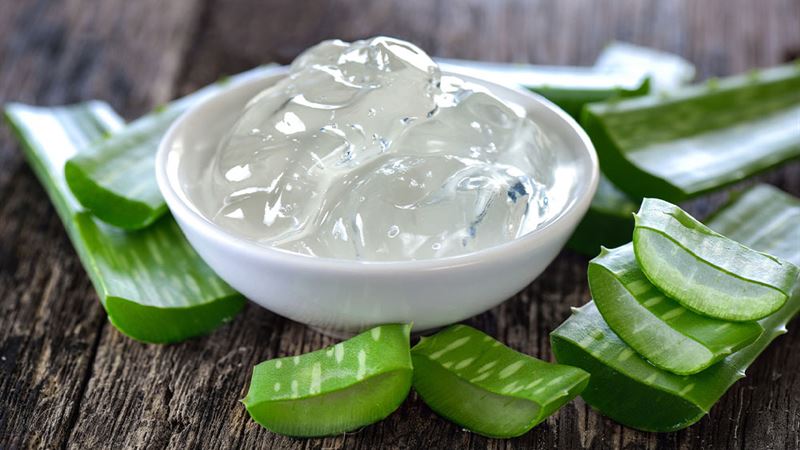
- Aloe Vera: The gel from aloe vera leaves offers moisturizing and soothing effects. Regular application can alleviate dry patches, reduce redness, and promote healing of inflamed skin.
- Natural Sunlight Exposure: Moderate sunlight can improve psoriasis symptoms for some individuals by helping to slow skin cell growth. However, excessive sun exposure can cause burns and worsen symptoms, so always use sunscreen and avoid peak sun hours.
- Dietary Adjustments: Incorporating anti-inflammatory foods such as omega-3 fatty acids (found in fish or flaxseed), fruits, vegetables, and whole grains may support skin health. Avoiding triggers like alcohol, processed foods, and smoking can also reduce flare-ups.
**Conventional Treatment Options**
For more controlled management of psoriasis, dermatologists recommend various medicinal creams and systemic therapies based on severity and disease type:
- Topical Corticosteroids: These anti-inflammatory agents are the most common initial treatment for psoriasis. They help reduce redness, itching, and swelling. Usage should be monitored to prevent side effects like thinning skin.
- Vitamin D Analogs: Drugs such as calcipotriol and calcitriol help slow down skin cell proliferation and reduce inflammation when applied directly to affected areas.
- Keratolytic Agents: Salicylic acid helps remove scales and keratin build-up, making other topical treatments more effective.
- Calcineurin Inhibitors: Tacrolimus and pimecrolimus are immune-suppressing creams beneficial for sensitive areas such as the face and skin folds.
- Phototherapy: Controlled exposure to ultraviolet light can diminish symptoms, often combined with topical treatments for enhanced effectiveness.
- Systemic Medications: For severe cases, immunosuppressants like methotrexate, cyclosporine, or biologic agents targeting specific immune pathways may be prescribed.
Psoriasis is a lifelong condition requiring ongoing care. Regular follow-ups with healthcare providers, adherence to prescribed treatments, and lifestyle modifications are essential for minimizing flare-ups and maintaining skin health.
- **Stress Management:** Techniques such as meditation, yoga, and mindfulness can lower stress levels, thereby reducing the risk of flare-ups.
- **Healthy Diet:** Emphasize an anti-inflammatory diet rich in fruits, vegetables, and healthy fats. Avoid known triggers that provoke symptoms.
- **Proper Skincare Routine:** Gentle cleansing, moisturizing, and avoiding harsh skincare products help maintain skin integrity.
- **Avoid Triggers:** Manage environmental factors, minimize injuries to skin, and stay consistent with treatments.
**Conclusion**
Psoriasis, although a chronic and often frustrating skin condition, can be effectively managed through a combination of prescribed treatments and natural remedies. Recognizing the specific type of psoriasis, understanding triggers, and adopting a comprehensive care routine can lead to significant improvements. While research continues to seek a cure, millions worldwide find relief and better quality of life through personalized treatment plans, lifestyle adjustments, and supportive home remedies. Remember, always work closely with healthcare professionals to develop a treatment approach tailored to your needs and monitor progress regularly.
Psoriasis, although a chronic and often frustrating skin condition, can be effectively managed through a combination of prescribed treatments and natural remedies. Recognizing the specific type of psoriasis, understanding triggers, and adopting a comprehensive care routine can lead to significant improvements. While research continues to seek a cure, millions worldwide find relief and better quality of life through personalized treatment plans, lifestyle adjustments, and supportive home remedies. Remember, always work closely with healthcare professionals to develop a treatment approach tailored to your needs and monitor progress regularly.