
Comprehensive Guide to Psoriasis: Types, Symptoms, and Management Strategies
Explore the comprehensive overview of psoriasis, including its various types, symptoms, triggers, and the latest management strategies. This detailed guide helps affected individuals understand their condition better and discover effective treatment options to improve their quality of life.
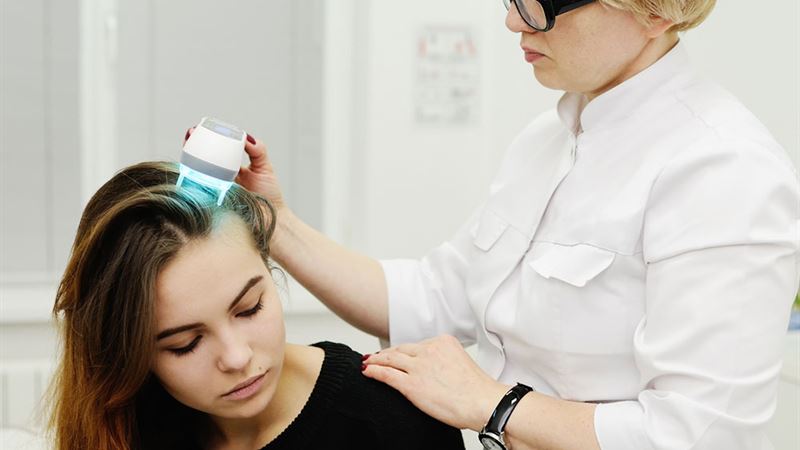
Psoriasis is a chronic autoimmune skin condition characterized by the accelerated growth of skin cells, leading to the development of thick, scaly patches on various parts of the body. This often visible skin disorder affects millions worldwide and manifests in different forms, each with unique symptoms and challenges. Understanding the various types of psoriasis, their symptoms, potential triggers, and management options is vital for those affected and their caregivers. This comprehensive guide aims to provide detailed insights into psoriasis, helping individuals recognize symptoms early and explore effective treatments.
Psoriasis frequently appears on areas like the elbows, knees, scalp, and back but can spread to the face, feet, genitals, hands, and legs in severe cases. The hallmark symptom of plaque psoriasis, the most common form, includes raised, discolored, and often silvery or white patches, known as plaques. These patches may crack, bleed, itch, or cause discomfort and are frequently accompanied by redness, irritation, and inflammation.
The exact cause of psoriasis remains unknown, but it involves an overactive immune response that speeds up skin cell production. Factors such as stress, infections, skin injuries, certain medications, dry skin, and environmental triggers like sun damage can exacerbate the condition.
Understanding the diverse manifestations of psoriasis is crucial for effective management. Below is an in-depth exploration of each major type, their characteristic symptoms, and typical triggers.
- 1. Plaque Psoriasis (psoriasis vulgaris)
This is the most prevalent form, affecting approximately 80-90% of psoriasis cases. It manifests as thick patches of skin covered with silvery-white scales. The plaques may be itchy, tender, and prone to cracking or bleeding. They typically appear on the elbows, knees, scalp, lower back, and other extensor surfaces but can develop elsewhere.
Causes and triggers include dry skin, stress, infections, injuries, and certain medications. Environmental factors and lifestyle habits may also influence flare-ups. Managing plaque psoriasis involves topical treatments like corticosteroids, moisturizers, vitamin D analogs, and phototherapy. In severe cases, systemic medications or biologic therapies are prescribed.
- 2. Guttate Psoriasis
This form mostly affects young adults and children. Guttate psoriasis is characterized by small, droplet-shaped lesions that are pink or red, often appearing suddenly after bacterial infections like strep throat. These spots are typically between 2 to 10 mm in diameter and tend to favor the trunk, arms, and legs.
It may be accompanied by itching or discomfort. Triggers include infections, stress, skin injuries, and certain medications. Treatment options include topical therapies, phototherapy, and addressing the underlying infection if present. The condition may resolve spontaneously or recur periodically.
- 3. Inverse Psoriasis
This type develops in skin folds, such as the armpits, groin, underneath the breasts, and around the genitals. It is characterized by shiny, smooth, and inflamed patches that are usually red or pink without scaling due to friction and moisture in these areas.
Fungal infections, sweating, and constant friction are common triggers. Symptoms include warmth, moistness, and soreness in affected areas. Managing inverse psoriasis involves topical steroids, antifungal treatments, and careful skin hygiene to prevent infections.
- 4. Nail Psoriasis
Nail psoriasis affects the skin underneath and around the nails. Symptoms include discoloration (yellow, red, brown, or pink spots), pitting, ridging, and thickening of the nails. In severe cases, nails may become crumbly or detached from the nail bed.
This form is more common in individuals over 40 and often appears alongside other psoriasis types. Treatment includes topical applications, systemic medications, or biologics, especially if nail involvement is extensive. Proper nail hygiene and avoiding trauma are essential for managing symptoms.
- 5. Pustular Psoriasis
This rare but severe form involves white pustules (blisters filled with non-infectious pus) on red and inflamed skin. It can affect localized areas like the hands and feet or cover larger body parts.
Types include generalized pustular psoriasis, which involves widespread pustules and systemic symptoms like fever and chills, and localized variants affecting specific regions. Management includes systemic treatments, corticosteroids, and phototherapy, alongside measures to prevent infections and control inflammation.
- 6. Erythrodermic Psoriasis
The most severe and life-threatening form, erythrodermic psoriasis results in widespread redness, scaling, and skin shedding across most of the body. Symptoms include intense itching, pain, fever, chills, dehydration, and swelling.
This form often occurs in individuals with uncontrolled other psoriasis types or blackened with medication side effects. Immediate medical attention is necessary, with hospitalization often required for fluid management, infection control, and systemic therapy.
Common symptoms across all forms include persistent redness, thickened skin, irritation, pain, and secondary infections if cracks and fissures develop. In some cases, psoriatic arthritis may accompany skin symptoms, causing joint pain, swelling, and reduced mobility.
Accurate diagnosis often requires clinical examination by a healthcare provider, including skin biopsy if needed. While the exact cause remains uncertain, triggers like stress, infections, medications, and environmental factors play a significant role in exacerbating psoriasis. Lifestyle modifications, skin care routines, and medical treatments are essential components of effective management.
Overall, psoriasis is a complex autoimmune condition requiring personalized treatment plans. Advances in biologic therapies have significantly improved quality of life for many patients, but ongoing research continues to explore new options and better understanding of disease mechanisms.