
Comprehensive Guide to Managing and Treating Eczema Effectively
Discover thorough strategies and treatment options for managing eczema effectively. Learn about home remedies, lifestyle adjustments, and medical therapies to control and reduce symptoms of this common skin condition. Proper guidance from healthcare professionals is essential for safe and effective eczema management, helping individuals lead more comfortable lives. This detailed guide offers valuable insights for both mild and severe cases, emphasizing personalized treatment plans and preventive measures to maintain healthy skin year-round.
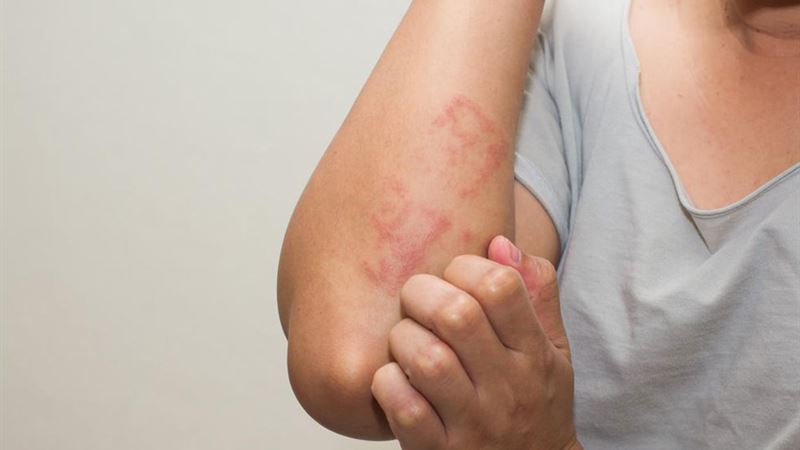
– Eczema manifests primarily in infants as rashes commonly appearing on the scalp and cheeks.
– These skin irritations may develop into blisters which can ooze fluid, intensifying discomfort and itchiness. Without proper care, scratching can lead to skin infections.
– In adults, eczema often shows up behind the elbows and knees, as well as around the neck, face, and eyes.
– Many individuals with eczema also experience respiratory allergies such as asthma or hay fever, frequently seen in children aged 10 to 15.
Effective Strategies for Eczema Management and Treatment
When eczema symptoms are mild to moderate, lifestyle adjustments and home remedies can provide significant relief.
– Taking warm, lukewarm baths can alleviate itching sensations. Incorporating colloidal oatmeal or baking soda into the bathwater can enhance soothing effects.
– Applying moisturizer immediately after bathing helps lock in moisture and prevents dryness that triggers flare-ups. Choose thick, fragrance-free creams or ointments suitable for sensitive skin.
– Wear loose, soft fabrics, preferably cotton, and avoid tight-fitting clothing or rough materials that can irritate the skin further.
– Opt for gentle, fragrance-free cleansers and avoid harsh soaps that strip the skin’s natural oils, fueling dryness and itchiness.
– Minimize exposure to environmental changes that cause body temperature fluctuations or sweating, which can aggravate symptoms.
– Use humidifiers in dry weather, especially during winter, to maintain optimal indoor humidity levels, preventing skin from drying out.
– Maintain meticulous personal hygiene to prevent skin infections; regular gentle cleansing helps reduce bacteria buildup that can worsen eczema.
– Monitor your diet carefully. Certain foods may trigger flare-ups; common culprits include dairy, nuts, and eggs. For children with atopic eczema, consulting a dietitian can help identify and avoid potential food triggers.
When eczema becomes severe, over-the-counter and prescription medications are often necessary to control symptoms and prevent complications:
- Topical corticosteroids, such as hydrocortisone creams, are first-line treatments for reducing skin inflammation and itching. These should be used under medical supervision to prevent side effects.
- Persistent or widespread eczema cases may require oral corticosteroids or short-term injections to quickly control inflammation, especially during flare-ups.
- Antibiotics are essential when bacterial skin infections occur, either over-the-counter or prescription-based, depending on severity.
- Fungal or viral infections associated with eczema necessitate specific antifungal or antiviral medications prescribed by healthcare professionals.
- For chronic itching, antihistamines can be prescribed, particularly at night, to reduce the urge to scratch and improve sleep quality.
- Calcineurin inhibitors like tacrolimus or pimecrolimus are topical agents that suppress immune response, providing an alternative to steroids with fewer side effects.
- Barrier repair moisturizers help restore the skin’s protective function, preventing water loss and reducing flare-ups.
- Phototherapy involving ultraviolet light (UVB or UVA) treatments may be recommended for stubborn cases that do not respond well to topical therapies.
- Applying cold compresses after topical steroid application can enhance absorption and provide immediate relief from itching and inflammation.
- Covering open wounds or blisters with sterile bandages facilitates healing and prevents secondary infection.
While ongoing research efforts continue to find a cure for eczema, current treatments focus on managing symptoms effectively. Although eczema cannot currently be eradicated completely, many patients achieve significant symptom control through personalized treatment plans.
It’s crucial to recognize that each individual’s response to treatments varies; what works for one person might not work for another. Consequently, consulting a dermatologist or healthcare provider before starting any medication or therapy is essential. Self-medication or incorrect treatments may lead to unwanted side effects or worsening of the condition.
If you’re seeking solutions for eczema, adopting a comprehensive approach—including lifestyle modifications, regular skin care, and medical intervention—can greatly improve quality of life. Always seek professional advice for tailored treatment strategies that suit your specific condition.