
Comprehensive Approaches to Managing Eczema: Treatments and Care Strategies
This comprehensive guide covers all effective eczema management strategies, including medications, phototherapy, and skin care practices. Learn how to control flare-ups, reduce symptoms, and maintain healthy skin through tailored treatment options and lifestyle adjustments. Proper management can significantly improve comfort and quality of life for those living with eczema, with professional guidance vital for safe and effective care.
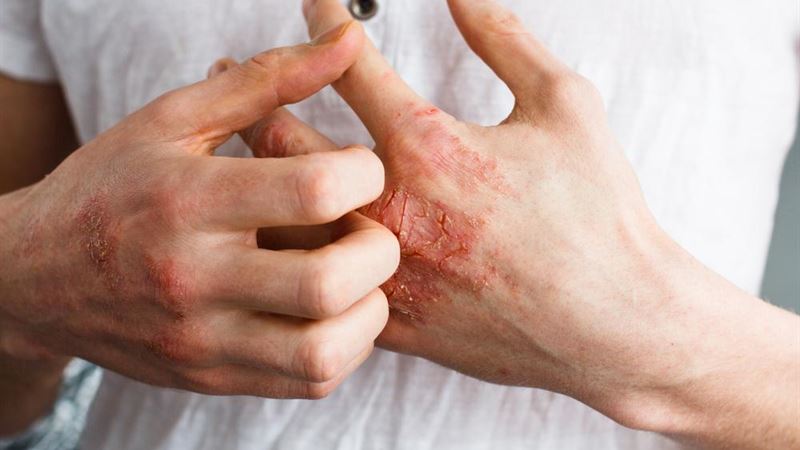
Living with eczema can be challenging, but understanding the numerous treatment options and proper skin care techniques can significantly improve quality of life. This detailed article explores a wide range of treatments designed to soothe the skin, alleviate itching, and repair damaged skin barriers. Whether dealing with mild or severe eczema, individuals can benefit from customized treatment strategies, which may include topical medications, phototherapy, and lifestyle modifications.
Medical Pharmacological Treatments
One of the mainstays of eczema management involves the use of medications prescribed by healthcare professionals. Correct usage and adherence to prescribed treatments are vital for faster relief and long-term control. Since response to treatment varies among individuals, healthcare providers often recommend a combination of therapies to tackle different aspects of the condition effectively.
- Topical Steroids: Corticosteroid creams, ointments, foams, and solutions are commonly used to reduce inflammation and control itching. These products contain hydrocortisone or stronger steroids, with formulations suitable for different body areas and severity levels. Mild corticosteroid creams are usually available over the counter for mild eczema, whereas more potent options require a doctor's prescription.
The potency of steroid medications directly correlates with the severity of eczema and the site of application. For example, delicate facial skin may require milder preparations, while thicker skin on elbows or knees may tolerate stronger steroids. Overuse or inappropriate application of corticosteroids can lead to side effects such as skin thinning or discoloration, making medical guidance essential.
- NSAID Topical Agents: Non-steroidal anti-inflammatory drugs are topical medications effective for mild to moderate eczema. They work by reducing inflammation without the side effects associated with steroids. Suitable for children over two years and adults, NSAID ointments help in controlling symptoms and supporting skin healing with fewer risks.
These medications are especially beneficial for long-term management, reducing reliance on steroids, and minimizing side effects. Consulting with a healthcare provider ensures correct usage and optimal results.
- Moisturizers and Barrier Repair Products: Daily use of moisturizers is crucial in eczema treatment. Barrier repair moisturizers are specially formulated to restore the skin's protective barrier, lock in moisture, and prevent dryness. Available both over the counter and by prescription, these products significantly decrease irritation and flare-ups.
When selecting moisturizers, it is advisable to choose fragrance-free, hypoallergenic options to avoid irritation. Some formulations contain ceramides, glycerin, or petrolatum to enhance skin protection and hydration.
- Antibiotics: In cases where secondary bacterial infections occur due to persistent scratching, antibiotics are prescribed. They help eliminate bacteria that invade compromised skin, preventing further complications and promoting healing.
Careful monitoring and appropriate antibiotic use are important to prevent resistance and ensure proper healing.
- Antihistamines: Taken usually at night, antihistamines can alleviate severe itching, facilitate restful sleep, and reduce scratching. This medication class is helpful in managing allergic components of eczema and mitigating nighttime flare-ups.
Phototherapy: Light-Based Treatments
For moderate to severe eczema unresponsive to topical treatments, phototherapy offers a viable option. This involves controlled exposure to ultraviolet (UV) light, which modulates immune responses and reduces inflammation in the skin. Used judiciously, phototherapy can significantly decrease flare-ups and improve skin appearance.
However, it is essential to balance benefits with potential risks. Excessive UV exposure can accelerate skin aging and increase the risk of skin cancer. Therefore, treatments are administered under professional supervision, typically with low-dose UV light or specific modalities such as PUVA therapy, which combines psoralen medication with UVA exposure.
Patients undergoing phototherapy need close monitoring of skin condition and regular assessments to minimize side effects. Protective measures like sunscreen and avoiding excessive UV exposure between sessions are critical for safety.
Supplementing medical treatments with consistent skin hygiene, avoiding triggers, and lifestyle modifications forms the cornerstone of effective eczema management. Always seek professional medical advice before initiating any treatment or therapy, ensuring a personalized approach tailored to your specific needs.