
Homecrafted Probiotic Delights: A Comprehensive Guide to Wellness-Boosting Foods
Learn how to create nutritious probiotic foods at home, including fermented vegetables, homemade yogurt, and probiotic smoothies. This comprehensive guide emphasizes simple methods to boost gut health naturally, allowing you to enjoy fresh, preservative-free probiotic-rich foods daily. Discover easy recipes, preparation tips, and health benefits to integrate these immune-boosting delights into your routine for optimal wellness.
In today's health-conscious world, incorporating probiotics into your diet has become essential for maintaining gut health and overall well-being. Fortunately, crafting probiotic-rich foods at home is simple, cost-effective, and customizable to your taste preferences. This detailed guide explores various homemade probiotic foods, their preparation methods, and the health benefits they provide. Whether you're lactose intolerant or simply seeking natural ways to boost your digestive health, these homemade recipes and tips will help you incorporate probiotics seamlessly into your daily routine.
Probiotics are live beneficial microorganisms that support the balance of good bacteria in your gastrointestinal tract. When consumed regularly, they can improve digestion, strengthen immunity, and even influence mood and mental health positively. The good news is that creating probiotic foods at home allows you to control ingredients, avoid preservatives, and enjoy fresh, wholesome products. Here, we delve into some of the most popular and nutritious probiotic foods you can prepare at home—each with step-by-step instructions and tips for success.
**1. Fermented Vegetables: An Immune-Boosting Powerhouse**
Fermented vegetables are among the most accessible and versatile probiotic foods. They include staples like pickles, sauerkraut, kimchi, and fermented carrots. These foods undergo natural fermentation, where naturally occurring bacteria convert sugars into lactic acid, preserving the vegetables and enriching them with probiotics. Making your own fermented vegetables is straightforward, requiring minimal equipment and ingredients. Plus, you can customize flavors and textures to suit your preferences.
To prepare homemade fermented pickles, select fresh vegetables like cucumbers, carrots, green beans, cauliflower, or peppers. Dissolve non-iodized salt in distilled water to create a brine, then submerge your vegetables fully ensuring they are kept under the brine to prevent mold. Cover the jar loosely to allow gases to escape but prevent dust or insects from entering. Let the mixture ferment at room temperature for several days to weeks, tasting periodically until the desired sourness develops. Fermented vegetables are not only rich in probiotics but also packed with vitamins and antioxidants, making them a nutritious addition to any meal.
**2. Cultured Dairy Products: Easy and Nutritious**
Yogurt remains one of the most popular probiotic foods globally. Making yogurt at home ensures freshness and the ability to control sugar and additives. Basic homemade yogurt requires just two ingredients: fresh milk and active yogurt cultures.
Begin by heating half a gallon of milk slowly, stirring constantly to prevent scorching, until it reaches just below boiling point—around 180°F or 82°C. Remove from heat and allow it to cool to approximately 110°F (43°C). Mix a few tablespoons of store-bought yogurt containing live active cultures into a small amount of cooled milk, whisk thoroughly, then incorporate this mixture into the rest of the cooled milk. Transfer the entire vessel to a warm, consistent environment—such as an oven with the light on, a yogurt maker, or a warm spot in your kitchen—and let it incubate for 6 to 12 hours. The longer the incubation, the tangier the yogurt. Once set, refrigerate to halt fermentation, and enjoy fresh homemade yogurt filled with probiotics.
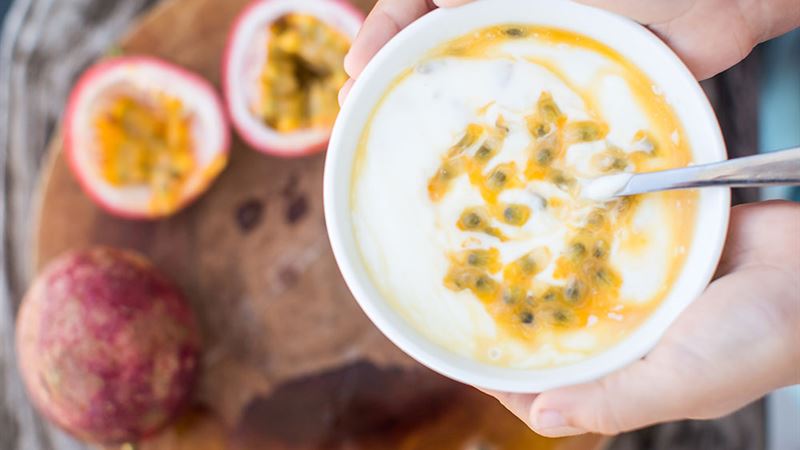
Enhance your homemade yogurt by adding fresh fruits, honey, or nuts for flavor and nutritional uplift. You can also experiment with strained yogurt or 'Greek-style' yogurt, which has a creamier texture and higher protein content.
**3. Probiotic Smoothies and Supercharged Shakes**
Smoothies are an excellent way to consume probiotics, especially when made with yogurt, kefir, or fermented plant-based drinks. They’re tasty, customizable, and convenient, serving as both snacks and meal replacements. To prepare a probiotic-rich smoothie, start with a base of probiotic-rich ingredients such as plain yogurt or kefir. Add your favorite fruits—berries, bananas, mango, or frozen peaches work well to create a thick, flavorful drink.
For added nutritional benefits, sprinkle chia seeds or flaxseeds into the mix, which provide omega-3 fatty acids and fiber. You can also add protein powders, nut butters, or a splash of almond milk or coconut milk for a creamier texture. Honey or natural sweeteners can enhance flavor if desired. Blend thoroughly until smooth, and serve immediately to enjoy the live probiotic benefits while preserving the freshness of the ingredients.
Experimenting with various combinations allows you to discover your preferred flavors and nutritional profiles. These smoothies are not only delicious but also excellent to support gut health, boost immunity, and provide sustained energy throughout the day.
**Additional Tips for Successful Homemade Probiotics**div>
- Use clean, sterilized jars and utensils to prevent unwanted bacterial contamination.
- Opt for organic vegetables and dairy products when possible to maximize nutrient and probiotic content.
- Maintain fermentation temperatures between 60-75°F (15-24°C) for optimal probiotic growth.
- Taste your fermented foods regularly to determine when they reach your preferred level of sourness.
- Store finished probiotic foods in the refrigerator to slow bacterial activity and maintain freshness.
Creating probiotic-rich foods at home is a rewarding experience that supports your health naturally. With simple ingredients and clear steps, you can enjoy a variety of flavors and textures while improving your digestive health and overall wellness. Incorporate these foods into your daily diet consistently for the best results, and enjoy the many benefits of fermented foods made with love and care right in your own kitchen.