
Discovering the Best Natural Probiotics to Boost Your Digestive and Immune Health
This extensive guide explores a wide range of natural probiotic foods that can enhance your digestive health, immunity, and overall well-being. Discover how foods like kefir, yogurt, kimchi, natto, sauerkraut, and more, can be seamlessly added to your diet to promote a healthy gut microbiome and boost your health naturally.
In recent years, understanding the profound impact of probiotics on health has gained significant attention. Incorporating natural probiotic foods into your daily diet can lead to improved digestion, a strengthened immune system, and enhanced overall well-being. Probiotics are live beneficial microorganisms that, when consumed in sufficient quantities, provide health benefits to the host by maintaining a balanced gut flora. This comprehensive guide explores a wide array of natural probiotic-rich foods, their health advantages, and how to seamlessly include them in your nutrition plan.
Kefir: A Fermented Superdrink for Gut Health
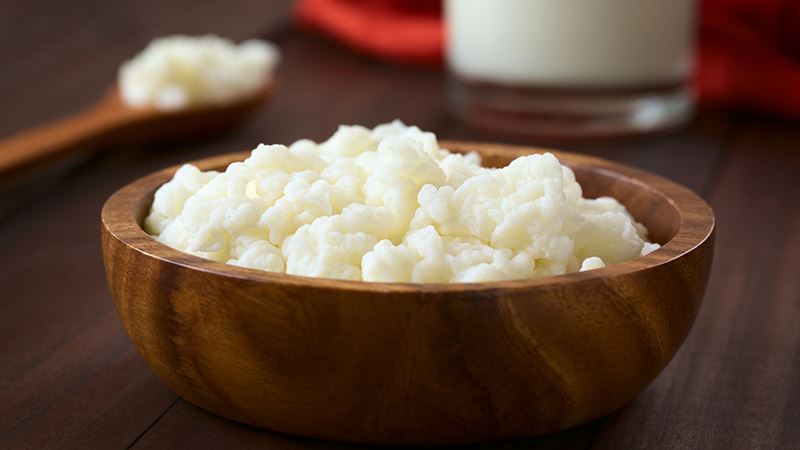
Kefir is a versatile fermented dairy product traditionally made by adding kefir grains to milk. Rich in a wide variety of beneficial bacteria and yeasts, kefir is considered a powerhouse for digestive health. Its probiotics help restore and maintain a healthy gut microbiome, aiding in digestion and preventing infections. Beyond aiding digestion, kefir supports immunity, reduces inflammation, and may even improve bone health due to its calcium content. For individuals who are lactose intolerant, kefir is an excellent dairy option, as the fermentation process significantly reduces lactose levels, making it easier to digest. Incorporating kefir into smoothies, cereals, or simply drinking it as a beverage is an easy way to boost your daily probiotic intake.
Yogurt: The Classic Probiotic Snack with Multiple Benefits
Yogurt remains one of the most popular and accessible probiotic foods worldwide. It is produced through the bacterial fermentation of milk, primarily involving strains of Lactobacillus bulgaricus and Streptococcus thermophilus. Rich in live cultures, yogurt is highly effective in supporting digestive health, alleviating symptoms of irritable bowel syndrome, and reducing diarrhea caused by antibiotics. Additionally, yogurt enhances bone strength due to its calcium content and may contribute to managing high blood pressure. When selecting yogurt, it is crucial to choose varieties labeled with 'live and active cultures' to ensure maximum probiotic benefits. Even individuals with lactose intolerance can consume yogurt in moderation, as the fermentation process helps break down lactose.
Kimchi: Spicy Fermented Vegetables from Korea
Kimchi is a traditional Korean side dish renowned for its pungent flavor and probiotic qualities. Traditionally prepared through fermentation of salted vegetables like cabbage and radishes, kimchi is flavored with a blend of seasonings including garlic, ginger, red chili flakes, scallions, and salt. The fermentation process fosters the growth of beneficial bacteria such as Lactobacillus plantarum and other lactic acid bacteria, which enhance gut flora and improve digestive health. Kimchi is also nutrient-dense, providing vitamins B2 and K, iron, fiber, and antioxidants. Its probiotic nature makes it an excellent addition to meals, helping to boost immunity and support overall gut health. For best results, choose unpasteurized kimchi that contains live bacteria.
Natto: Fermented Soybeans with Cardiovascular Benefits
Originating from Japan, natto is a traditional dish prepared by fermenting soybeans with the bacterium Bacillus subtilis. Natto is notably rich in nattokinase, an enzyme recognized for its anti-inflammatory and blood-thinning properties, which help prevent blood clots. Regular consumption of natto can support heart health by improving circulation and reducing the risk of cardiovascular diseases. Additionally, natto is an excellent source of vitamin K2, vital for bone health and preventing osteoporosis. Its high probiotic content promotes healthy digestion and strengthens immunity. Natto can be enjoyed raw, added to rice bowls, or incorporated into soups and salads, making it a versatile and health-promoting food choice.
Sauerkraut: Fermented Cabbage for Gut and Eye Health
Sauerkraut, a popular fermented cabbage dish, is a staple in many cuisines. Its fermentation process involves the natural conversion of cabbage sugars into lactic acid by bacteria, which results in its distinctive sour flavor. Rich in probiotics, sauerkraut helps balance gut bacteria, improving digestion and nutrient absorption. It also contains a robust array of vitamins including B, C, and K, as well as minerals such as iron, manganese, and sodium. The antioxidants zeaxanthin and lutein found in sauerkraut contribute to eye health, protecting against age-related macular degeneration. When buying sauerkraut, opt for unpasteurized varieties to ensure live probiotic cultures are present. Incorporating sauerkraut as a side or topping enriches meals with beneficial bacteria and nutrients.
Apple Cider Vinegar: A Daily Probiotic Tonic
Apple cider vinegar (ACV) is celebrated for its potential health benefits, mainly derived from its natural probiotics and acetic acid content. Consumed in small amounts daily, either as a salad dressing or diluted in water, ACV can support digestion, regulate blood sugar levels, and aid weight management. Its probiotic properties help promote a healthy gut environment by encouraging the growth of beneficial bacteria. Regular intake of apple cider vinegar can also help lower cholesterol and manage blood pressure, contributing to cardiovascular health. Incorporating ACV into your diet is simple; just add a tablespoon to your salads, smoothies, or drinking water for a probiotic boost.
Tempeh: Nutritious Fermented Soy Product for Vegetarians
Tempeh, originating from Indonesia, is a fermented soy product known for its high protein content and probiotic qualities. It is made by fermenting cooked soybeans with a mold, Rhizopus oligosporus, resulting in a firm, cake-like food. Tempeh is especially popular among vegetarians and vegans as a meat substitute due to its high protein and vitamin B12 content—nutrients mostly found in animal products. Its probiotics improve gut health by restoring friendly bacteria and aiding digestion. Versatile in preparation, tempeh can be sliced and grilled, stir-fried, or used in salads and sandwiches. Including tempeh in your diet supports your immune system, promotes gut health, and provides essential nutrients beneficial for overall health.
Beyond these well-known probiotic foods, a variety of other options can enhance your gut microbiome, such as:
- Miso: Fermented soybean paste rich in probiotics and umami flavor
- Kvass: Fermented beverage made from rye or wheat bread
- Kombucha: Fermented sweet tea providing a probiotic, antioxidant-rich tonic
- Coconut kefir: Non-dairy probiotic beverage derived from fermented coconut water
- Brine-cured olives: Fermented olives containing beneficial bacteria
- Pickles: Fermented cucumber or vegetable pickles with probiotic properties
- Cheeses such as mozzarella, gouda, and cheddar: Some varieties contain live bacteria
- Traditional buttermilk: Fermented dairy drink with probiotic benefits
While integrating these probiotic-rich foods offers numerous health advantages, consulting healthcare professionals or registered dieticians before making significant dietary changes is advisable, especially for individuals with existing health conditions or specific dietary needs.