
Comprehensive Guide to Hearing Aids: Types, Features, and Selection Tips
Discover everything you need to know about hearing aids, including different types, key features, and expert tips for selecting the perfect device. This comprehensive guide helps you make informed choices to improve your hearing and quality of life, whether you're considering discreet models or those with advanced connectivity options. Learn about the advantages and disadvantages of each design, what features to prioritize, and how to work with professionals to find the best fit. Enhance your hearing experience with expert advice tailored to your lifestyle and budget.
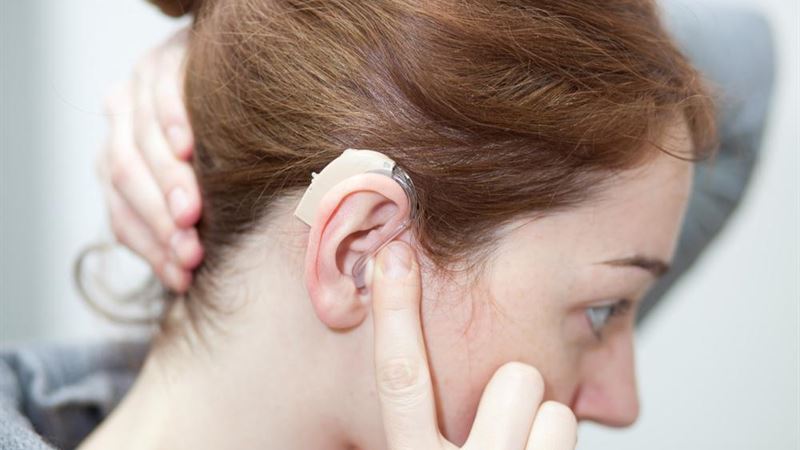
Exploring the Different Types of Hearing Aids and How to Choose the Right One for You
Hearing loss affects millions worldwide, and choosing the appropriate hearing aid can significantly improve quality of life. With numerous models available today, understanding the various types and features is essential to make an informed decision. This comprehensive guide provides detailed insights into the diverse hearing aid options, their benefits and drawbacks, and practical tips to select the most suitable device tailored to your needs.
Categories and Types of Hearing Aids
Modern digital hearing aids come in various designs, classified primarily by their placement and visibility. Each type has unique characteristics, benefits, and limitations, making it vital to understand these distinctions before making a purchase.
- Mini Behind-the-Ear (BTE): This model features a small case positioned behind the ear, with a receiver or speaker located inside the ear canal. It’s designed to be discreet, offering comfort and a minimal profile. However, wax buildup around the receiver can potentially affect device performance and longevity. Regular maintenance is recommended to prevent blockages and ensure optimal functioning.
- Traditional Behind-the-Ear (BTE): This classic design sits behind the ear with a tube directing amplified sound into a dome or mold fitted inside the ear. It boasts versatility, with adjustable features, higher amplification capacity, and ease of customization. Although it’s visually more noticeable compared to smaller models, its durability and adjustability make it a popular choice among users.
Despite their advantages, BTE models can sometimes be conspicuous and are more prone to wax-related issues. Maintenance and proper cleaning are essential to keep these devices functioning correctly.
- Completely in the Canal (CIC): Designed to fit deep within the ear canal, this type offers excellent discretion and stability, making it less visible to observers. Its design helps reduce wind noise and feedback, offering a more natural listening experience. However, due to its small size, users may experience a sensation of blockage and encounter shorter battery life. Also, wax buildup can obstruct the device, requiring diligent cleaning.
- In-the-Canal (ITC): Slightly larger than CIC models, ITC hearing aids sit partially in the ear canal, providing a good balance between discretion and ease of use. They lend themselves to additional features but still face issues with wax accumulation and shorter battery duration.
In-the-ear (ITE) hearing aids, on the other hand, rest entirely within the bowl of the ear, offering ample space for advanced features and controls. While more visible than smaller models, they are easier to handle and can accommodate more sophisticated technology, like multiple programs and Bluetooth connectivity.
Features to Consider When Selecting a Hearing Aid
Today’s hearing aids come equipped with various functionalities that enhance user experience. Depending on your lifestyle, degree of hearing loss, and personal preferences, certain features may be more beneficial than others. Below are some common features found in modern hearing aids:
- Multiple Program Settings: Enables users to switch between different listening environments, such as quiet rooms, noisy places, or specific distances, for optimized hearing performance.
- Automatic Noise Reduction: Filters out background noise, significantly improving speech clarity in challenging environments.
- Directional Microphones: Focus on sounds coming from specific directions, especially useful in crowded settings.
- Wireless Connectivity (Bluetooth): Allows seamless pairing with phones, TVs, and other devices for direct audio streaming.
- Wax Guards and Filters: Protect the internal components from wax and debris, prolonging the device’s lifespan.
Tips for Selecting the Perfect Hearing Aid
Choosing the right hearing aid involves careful consideration and consultation with healthcare professionals. Here are some practical tips to guide your selection process:
- Seek Expertise from Experienced Healthcare Providers: A knowledgeable audiologist or hearing specialist can evaluate your hearing needs comprehensively and recommend the most suitable device based on your lifestyle, degree of loss, and budget.
- Investigate Insurance and Financial Support: While many insurance plans do not fully cover hearing aids, some, such as Medicare Advantage programs, may subsidize costs related to batteries, maintenance, or certain models. Clarify coverage options beforehand.
- Ask for a Written Contract and Trial Period: Ensure there is a clear agreement outlining return policies, trial periods, warranty coverage, and what services are included in the price. A trial period usually helps determine if the device meets your expectations.
- Be Realistic About Features: Focus on features that address your specific needs. Additional capabilities like Bluetooth or remote controls might be useful but are unnecessary if you won’t utilize them. Choose a model that provides value and comfort.
- Compare Pricing and Value: Obtain a detailed breakdown of costs, including device price, accessories, and service fees. Seek advice from audiologists or hearing aid providers regarding the pros and cons of different models and brands. Companies like Costco often offer state-of-the-art hearing aids at competitive prices, sometimes with on-site audiologists and special screenings.
Though selecting a hearing aid can seem overwhelming, making an informed choice based on your specific hearing profile and lifestyle will greatly improve your experience. Devices like those offered through Costco provide effective solutions that can significantly enhance daily life, restoring confidence and social engagement.