
Comprehensive Guide to Selecting Premium Specsavers Hearing Aids for Enhanced Hearing Clarity
Discover the ultimate guide to selecting the best Specsavers hearing aids. Learn about different types, fitting tips, lifestyle considerations, and how to ensure optimal hearing health. Make informed choices with expert advice to enhance your hearing experience today.
Undergoing a Professional Hearing Assessment:
One of the first critical steps in improving your hearing health is to schedule a comprehensive hearing evaluation. Specsavers offers free hearing tests conducted by experienced audiologists who can accurately determine the degree and type of hearing impairment you experience. These assessments typically include a series of diagnostic tests that evaluate your ability to hear sounds at various frequencies and volumes. Knowing your precise level of hearing loss is essential for selecting the most suitable hearing aid that can address your specific needs effectively. Accurate diagnosis can also help rule out other underlying health issues affecting your hearing.
Assessing Your Personal Lifestyle and Daily Habits:
Understanding your lifestyle is crucial when choosing the right hearing aid. Discuss your daily routines, work environment, social activities, and hearing challenges with your audiologist. For example, if you frequently attend noisy social gatherings like parties or meetings, you may require hearing aids with advanced noise-filtering capabilities. Conversely, if your activities are mostly quiet, a simpler device might suffice. Share details about your preferred communication methods and environments to help your audiologist recommend the best model that offers optimal performance in your typical settings. Tailoring your choice ensures that your hearing aid supports your everyday life seamlessly and comfortably.
Exploring Different Types of Specsavers Hearing Aids:
Specsavers provides a diverse selection of hearing aids designed to meet various preferences and requirements. Each type offers unique features, benefits, and levels of invisibility:
- Completely-In-Canal (CIC): These are small, custom-molded devices fitted deep inside the ear canal. They are nearly invisible, making them ideal for users seeking discretion. However, due to their size, they may have limited features and battery life.
- In-The-Canal (ITC): Slightly larger than CIC aids, ITC devices sit partly in the ear canal. They provide a good balance between discretion and functionality and can include more features like remote controls.
- In-The-Ear (ITE): These custom-made aids fill the outer part of the ear. They are easier to handle and offer a broader range of features, including directional microphones and volume controls.
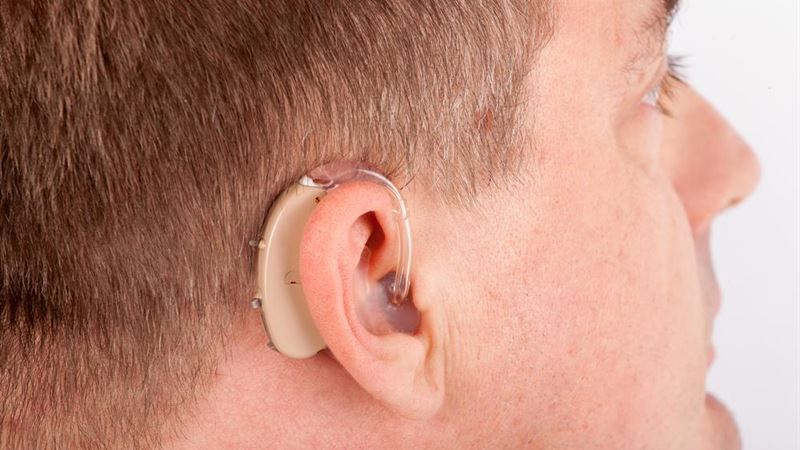
- Behind-The-Ear (BTE): Devices rest behind your ear and connect via a small tube to an earmold or a tiny speaker inside the ear. They are durable, powerful, and suitable for severe hearing loss.
- Receiver-In-The-Ear (RITE): Similar to BTE aids, these feature a speaker (receiver) situated inside the ear canal, delivering clear sound while maintaining a discreet appearance.
- Invisible Hearing Aids: These are ultra-compact, technologically advanced devices that fit entirely within the ear canal, offering maximum discretion without compromising performance. They utilize the latest digital features to enhance hearing clarity in various environments.
Considering Your Financial Constraints and User-Friendliness:
Pricing for Specsavers hearing aids ranges broadly, typically from $1,500 to over $4,000, depending on the technological sophistication and added features. When selecting your device, you should evaluate how comfortable you are handling small components, especially if you need frequent battery replacements or manual adjustments. If you have difficulty manipulating tiny controls or replacing batteries, opting for models with easier-to-use features may be advisable. Discussing your comfort level and maintenance preferences with your audiologist ensures long-term satisfaction and consistent usage.
Matching Hearing Aids to Your Specific Needs:
Assessment of your lifestyle is vital in choosing a device that aligns with your daily activities. If you lead a simple, mostly at-home life, less complex models with basic features might be sufficient and more cost-effective. Conversely, if you are highly active, work in noisy settings, or frequently communicate in challenging environments, investing in hearing aids with advanced features such as directional microphones, Bluetooth connectivity, and noise reduction technologies can significantly enhance your experience. Your audiologist can help you weigh the benefits of various features to make an informed decision.
Seeking a Hands-On Demonstration and Trial:
Making an informed choice warrants trying out different hearing aid models to see which one feels most comfortable and suits your hearing needs best. Specsavers often provides demonstration sessions where you can test various devices in real-world settings. This trial period allows you to assess sound quality, ease of use, and comfort. It’s essential to evaluate how well the device amplifies speech, reduces background noise, and integrates with your daily routines. Remember that adapting to a new hearing aid may take time, and hands-on trial helps ensure your selection is customized to your preferences.
Utilizing Training and Adjustment Periods:
If you are a first-time user, your brain needs to adjust to hearing the world differently with your new device. Audiologists at Specsavers will guide you through a training process, including auditory training exercises and usage instructions. This period helps your brain adapt to new soundscapes, improving overall satisfaction and performance. For elderly users or those switching to new models, proper training on device operation is crucial to maximize benefits. Some clinics offer group or individual training sessions, along with home practice guides, to facilitate a smooth transition and optimal use of your hearing aid.
Final Check: Ensuring Optimal Hearing Post-Fitting:
After your hearing aids are fitted, it’s important to verify that they are functioning properly and meeting your expectations. Schedule follow-up appointments to fine-tune the device settings and address any issues. Make sure you can hear clearly in different environments and that the device remains comfortable throughout the day. Proper maintenance, periodic cleaning, and timely battery changes keep your hearing aids in top condition, providing you with a world of clearer sound and improved quality of life.