
Comprehensive Guide to Professional Tree Removal: Benefits, Costs, and Key Considerations
This extensive guide highlights the advantages of hiring professional tree removal services, detailed cost factors, and essential tips for choosing the right company. It emphasizes safety, efficiency, and proper planning to protect your property and landscape. Learn how experienced arborists ensure safe removal, save time and money, and provide post-job cleanup. With insights into pricing based on tree size, species, and location, this article equips property owners with the knowledge needed to make informed decisions for safe and effective tree removal projects.
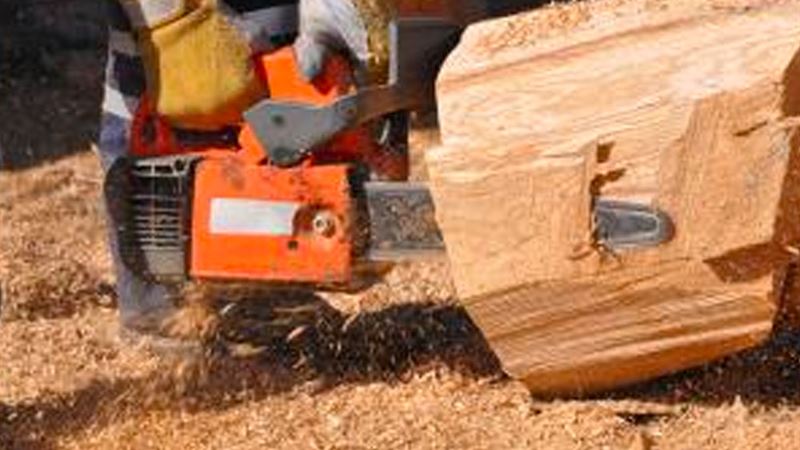
Tree removal is a crucial service for maintaining safe and attractive landscapes, especially when dealing with hazardous or unwanted trees. While some property owners may consider DIY approaches, professional tree removal offers numerous advantages that greatly outweigh the risks involved. This detailed guide explores the benefits of hiring certified tree removal experts, provides an in-depth overview of typical costs, and offers essential tips to choose the best service provider for your needs. Whether you're managing a sprawling estate or simply cleaning up your yard, understanding these factors will help you make informed decisions to ensure safety, efficiency, and value for your money.
Professional tree removal significantly enhances safety by preventing potential injuries caused by falling or unstable trees. Large or decayed trees pose immediate threats to pedestrians, vehicles, and nearby structures. Skilled arborists possess the knowledge, experience, and proper equipment to carefully dismantle trees with minimal risk, ensuring the safety of your family and property. Moreover, they know how to remove dangerous hanging branches or unstable trees that could topple unexpectedly, protecting both lives and investments.
Beyond safety, professional services save you valuable time and energy. Attempting to remove trees on your own can be a tedious, labor-intensive process that requires specialized tools and expertise. Without the correct equipment, your efforts might be inefficient or dangerous. Licensed tree removal companies bring advanced machinery such as chainsaws, cranes, and stump grinders, which accelerate the process and reduce the likelihood of accidents or damage. This efficiency translates into quicker project completion and less disruption to your daily activities.
Cost considerations are often a primary concern among property owners contemplating tree removal. While it might seem tempting to opt for the cheapest quote, investing in reputable, licensed professionals actually helps you avoid costly mistakes. Properly performed tree removal minimizes risks of property damage, reduces repair expenses, and may even prevent future issues like pest infestations or tree-related foundation problems. Additionally, professional companies are insured, which means you are protected from liabilities arising from accidents or damages during the process. This peace of mind makes the initial investment worthwhile.
One of the most critical reasons to hire expert tree removal services is safeguarding your property. Trees positioned near your house, utility lines, or underground pipes require delicate handling. Roots can compromise your building’s foundation, while trunks close to power lines may cause electrical hazards. Professionals evaluate each situation carefully, devising strategies that safely remove the tree without damaging nearby structures or utilities. They also consider the landscape’s terrain, access limitations, and environmental factors to ensure optimal safety and preservation of your property’s integrity.
Post-removal cleanup is another vital benefit of hiring professionals. After felling a tree, vast amounts of debris, including branches, logs, and stumps, can clutter your yard. Reputable tree removal companies provide comprehensive clean-up services, hauling away debris and leaving your space tidy. They also often offer stump grinding, which eliminates unsightly remnants that could hinder future landscaping or pose tripping hazards. This thorough approach ensures that your yard remains safe, functional, and aesthetically appealing after the work is completed.
How do you choose the right tree removal company? Several crucial factors must be considered to ensure you get quality service and value for your money. Firstly, verify the credentials and licenses of the company. An accredited business with proper licensing and certifications from recognized industry organizations such as the Tree Care Industry Association (TCIA) signals professionalism and adherence to safety standards. Always request proof of valid permits before signing a contract.
Next, review the company’s insurance coverage. Liability insurance and workers' compensation are essential protections, covering damages or injuries that might occur during the removal process. An insured company alleviates your financial and legal liabilities in case of accidents. Equally important is examining customer reviews and seeking references. Feedback from previous clients provides insights into the company’s reliability, quality of work, and customer service.
Cost estimates are another fundamental aspect. Obtain written quotes from multiple providers and compare their prices carefully. Beware of extremely low bids, as they may reflect subpar quality or hidden fees. A reputable company will provide a transparent breakdown of costs, encompassing tree felling, stump removal, cleanup, and any additional services. Ensure that all costs are clarified before proceeding.
Equipment quality and employee expertise also play critical roles. Confirm that the company uses up-to-date machinery suitable for handling various tree sizes. Professionals should employ appropriate safety gear—such as helmets, gloves, harnesses, and protective eyewear—to prevent accidents. Skilled workers with extensive experience will execute the job efficiently while minimizing risks associated with large or complex trees, especially those near power lines or structures.
Service scope varies among companies. Clarify beforehand what is included in the quoted price—some firms offer free stump grinding, pruning, or disposal services, while others charge separately. Opting for a provider that offers comprehensive services ensures you won’t encounter hidden costs later and that your entire tree removal project is managed seamlessly.
The cost of removing trees depends heavily on factors such as size, species, location, and accessibility. Small trees, roughly 30 feet tall, typically cost between $400 and $500. Medium-sized trees, ranging from 30 to 60 feet, might range from $500 to $900. Large trees exceeding 60 feet can cost $1,000 to $2,000 or more, especially if safety precautions are necessary to protect nearby infrastructure. Extra-large or hard-to-access trees, especially those over 80 feet, may require specialized equipment and skilled operators, driving costs upward to $2,500–$4,500—and often including stump removal.
Specific species, such as oak, palm, or pine trees, also influence pricing. Oak trees, with dense and durable wood, typically cost between $400 and $1,000 to remove, depending on size and location. Palm trees, especially tall varieties, may range from $150 for smaller specimens to over $1,500 for mature, high-reaching palms. Pine trees, often tall and challenging to handle, have average removal costs around $400 for 40-foot trees, with higher prices for older or taller specimens. Fallen trees, which are already on the ground, are usually cheaper to remove—costing approximately $75 to $150, though additional charges may apply for pruning or stump extraction.
Stump removal presents an additional expense, varying based on stump size, age, root system, and soil condition. Costs typically range from $80 to $500, with larger stumps demanding more effort and equipment. The type of terrain and accessibility can also affect the overall price. Broad trunks with dense wood take more time and resources to remove due to their weight and complexity, usually leading to higher charges. When assessing potential costs, consider the tree’s proximity to structures, power lines, or other obstacles, as extra caution and effort will be needed to ensure safety and prevent property damage.
In conclusion, professional tree removal is a safe, efficient, and cost-effective solution for managing hazardous or unwanted trees. When selecting a service provider, prioritize credentials, insurance, experience, and comprehensive service offerings. Proper planning and expert execution prevent accidents, property damage, and unnecessary expenses, ensuring your landscape remains safe and beautiful for years to come.