
Comprehensive Guide to Managing Kidney Pain: Causes and Treatment Strategies
This comprehensive article explores various causes of kidney pain, including infections, obstructions, and stones, along with detailed treatment options. It emphasizes early diagnosis, personalized treatment plans, and preventive care to ensure effective management and protect kidney function. The guide also covers surgical and non-invasive procedures, highlighting the importance of specialist intervention in complex cases, to help patients understand their options and achieve better health outcomes.
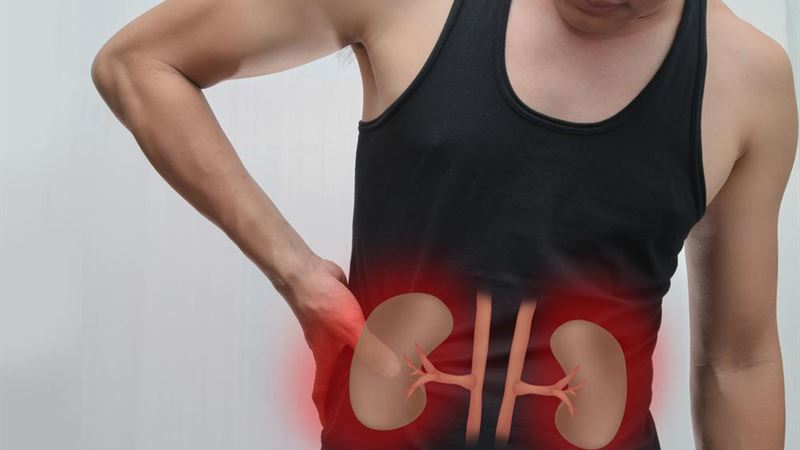
Understanding the causes of kidney pain is vital for effective management. Some causes include infections, obstructions, stones, and structural abnormalities. Each condition presents unique challenges and requires a specific treatment plan. The following guide provides an in-depth look at each of these causes and the contemporary treatment modalities employed to alleviate symptoms and address the underlying issues.
Addressing Kidney Infections: Approaches and Medications
Kidney infections, medically known as pyelonephritis, are often caused by bacteria that ascend from the urinary tract. Effective treatment hinges on prompt diagnosis and appropriate therapy. The first line of treatment involves the use of antibiotics, which can be administered orally or intravenously, based on severity. Mild infections typically respond well to oral antibiotics over a course of a few days, with patients experiencing relief within a similar period.
In cases of more serious infections or when oral antibiotics prove insufficient, intravenous (IV) antibiotics are administered in a hospital setting. This ensures faster delivery of medication and better control of the infection. Patients are monitored closely to observe the response to treatment and to prevent complications such as abscess formation or sepsis. In recurrent infections, a thorough evaluation by a specialist may be necessary to identify underlying risk factors and implement preventive strategies.
Surgical intervention remains a last resort and is considered only when infections fail to respond to medication or complications like abscesses arise. Antibiotic stewardship is crucial to prevent resistance, and doctors often adjust prescriptions based on culture sensitivity results.
Managing Hydronephrosis: Strategies to Remove Obstructions
Hydronephrosis involves swelling of the kidney due to an obstruction that impedes urine flow. If left untreated, this can cause permanent kidney damage. Treatment focuses on removing or bypassing the blockage, which varies depending on its location and cause.
- Addressing Ureteral Blockages: When a blockage in the ureter causes hydronephrosis, urologists may insert a stent into the ureter. This device helps bypass the obstruction and allows urine to drain freely from the kidney to the bladder. Stent placement is minimally invasive and provides symptomatic relief while addressing underlying causes.
- Removing Blood Clots or Scar Tissue: In cases where blood clots or scar tissue obstruct urine flow, surgical removal might be necessary. Procedures such as minimally invasive surgery or open surgery could be performed to remove the obstructive material and restore normal function.
Additionally, identifying and treating underlying causes like kidney stones or tumors is vital to prevent recurrence.
Kidney Stones: Treatment and Prevention
Kidney stones are crystalline mineral deposits that form in the kidneys due to various factors, including dehydration, dietary habits, and genetic predispositions. The course of treatment depends on the size, location, and type of stones, as well as the underlying cause of their formation.
Small stones often pass spontaneously without invasive intervention. Nonetheless, conservative management includes maintaining high fluid intake to facilitate passage and using pain relief medications such as ibuprofen, acetaminophen, or naproxen. Alpha-blockers may also be prescribed to relax the muscles in the urinary tract, easing stone passage.
However, larger stones that cannot pass naturally require more aggressive treatment options. These include:
- Extracorporeal Shock Wave Lithotripsy (ESWL): This is a non-invasive procedure using high-energy sound waves to fragment stones into smaller pieces that can pass through the urinary tract.
- Ureteroscopy and Laser Lithotripsy: A scope is inserted through the urethra into the urinary tract to locate stones. Laser energy is used to break them into manageable fragments for removal or natural passage.
- Surgical Removal: For large or complex stones, surgical options like percutaneous nephrolithotomy or open surgery may be necessary to extract stones directly from the kidney tissue.
Preventive strategies are equally important to reduce the risk of stone formation. These include staying well-hydrated, monitoring dietary intake of oxalates and other stone-promoting substances, and managing metabolic disorders like hypercalcemia, cystinuria, or gout. Regular follow-ups and urinary analysis help in early detection and management of recurrence.
Overall, managing kidney pain requires a comprehensive understanding of the underlying causes and implementing timely, targeted treatment strategies. Advances in diagnostic techniques and minimally invasive procedures continue to improve patient outcomes, minimizing long-term damage and enhancing quality of life.