
Nutritional Strategies and Foods That Support Parkinson’s Disease Management
Discover effective dietary strategies and key foods that can support Parkinson’s disease management. Learn how Omega-3s, fava beans, antioxidants, and proper medication use work together to improve symptoms, slow progression, and enhance quality of life with expert insights and practical advice.
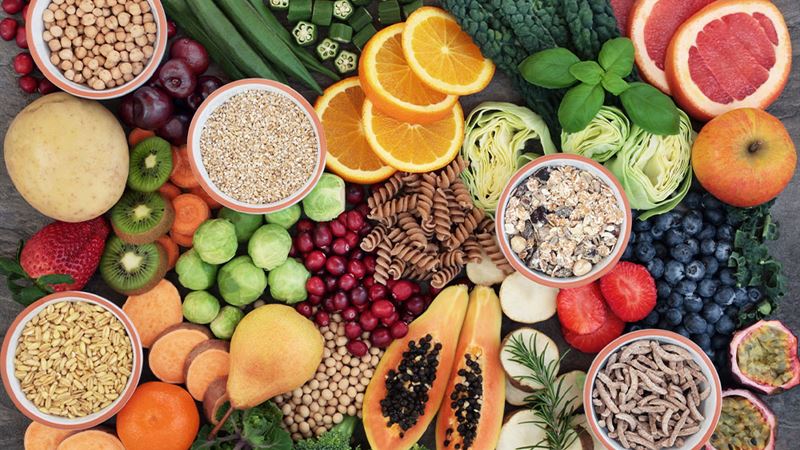
Parkinson’s disease is a progressive neurodegenerative disorder that affects millions of people worldwide. While current medical treatments focus on managing symptoms and improving quality of life, nutritional strategies play a vital role in supporting overall health and potentially slowing disease progression. A well-rounded diet rich in specific nutrients can enhance brain health, reduce inflammation, bolster motor functions, and combat oxidative stress—factors all contributing to better disease management. This comprehensive guide explores the most beneficial foods and nutritional considerations for individuals living with Parkinson’s, emphasizing how tailored dietary choices can complement medical treatments and improve daily wellbeing.
One of the most significant nutrients for brain health and neuroprotection is Omega-3 fatty acids. These essential fats are renowned for their anti-inflammatory properties and their role in maintaining optimal nerve cell transmission. Consuming foods laden with Omega-3s may help mitigate nerve inflammation, enhance cognitive functions, and slow neurodegeneration associated with Parkinson’s. Seafood remains the primary source of Omega-3 fatty acids, especially fatty fish such as salmon, sardines, anchovies, herring, and oysters. Incorporating these into your weekly diet could not only support neurological health but also reduce the risk of cardiovascular complications, which are common in Parkinson’s patients. Furthermore, increasing Omega-3 intake may help decrease cognitive decline and reduce the risk of developing dementia—a concern frequently associated with Parkinson’s disease.
Harnessing the Benefits of Legumes: Focus on Fava Beans
Among plant-based foods, fava beans stand out for their potential in managing Parkinson’s symptoms. These beans are rich in levodopa—a precursor to dopamine, a neurotransmitter severely depleted in Parkinson’s patients. When consumed, fava beans can temporarily boost dopamine levels naturally, providing symptomatic relief and supporting motor coordination. Studies suggest that dietary intake of levodopa-rich foods like fava beans may slow disease progression and improve motor functions such as walking, tremors, and muscle control. It is crucial to understand, however, that these foods are supportive rather than substitutive. Fava beans should complement prescribed medications, never replace them without medical consultation. Always consult your healthcare provider before making dietary changes.
Antioxidants: Key to Combating Oxidative Stress
Oxidative stress, caused by an imbalance between free radicals and antioxidants in the body, plays a substantial role in neurodegeneration seen in Parkinson’s disease. Therefore, incorporating antioxidant-rich foods into your diet can help neutralize free radicals, protect cell integrity, and potentially slow disease progression. Berries, such as blueberries, strawberries, and blackberries, are loaded with antioxidants called anthocyanins and flavonoids, which have been linked to improved cognitive function and neuroprotection. Green leafy vegetables like spinach, kale, and broccoli provide vital vitamins and minerals that support overall brain health. Herbs and spices such as turmeric, with its potent curcumin compound, also offer powerful antioxidant effects. Incorporating these foods into each meal can create a resilient defense against oxidative damage while promoting overall vitality.
Supporting Medications with Proper Nutrition
In addition to dietary choices, certain medications are prescribed to manage Parkinson’s symptoms more effectively. RYTARY® is a notable example—a formulation combining levodopa and carbidopa. Levodopa is the mainstay medication that converts into dopamine in the brain, alleviating motor symptoms like stiffness and tremors. Carbidopa enhances levodopa’s efficacy by preventing its premature breakdown in the bloodstream, ensuring more of it reaches the brain. It also helps reduce side effects such as muscle spasms and control issues. Another treatment option is ONGENTYS®, which is FDA-approved for adult Parkinson’s patients. It works by inhibiting the enzyme that breaks down levodopa, thereby increasing its availability in the brain for dopamine production. Administered once daily, ONGENTYS® offers a convenient and effective approach to symptom management. Nutritional support and medication therapy should always be coordinated under medical supervision to optimize patient outcomes.
In conclusion, a strategic approach to nutrition can significantly support Parkinson’s disease management. Emphasizing foods rich in Omega-3 fatty acids, levodopa precursors like fava beans, and a variety of antioxidants can help improve motor functions, protect neural structures, and reduce inflammation. Combining dietary strategies with prescribed medications under medical guidance provides a comprehensive plan to enhance quality of life, slow disease progression, and maintain independence longer. Staying informed and making conscious dietary choices are vital steps for those living with Parkinson’s, fostering hope and health for the future.