
Essential Dietary Choices That May Lower Cancer Risk
This comprehensive guide explores various foods that may help prevent cancer, emphasizing the importance of antioxidants, phytochemicals, and fiber-rich options like berries, vegetables, nuts, and beverages like coffee and tea. It highlights how smart dietary choices can influence the development of specific cancers, such as prostate and blood cancers, and discusses supporting treatments like VENCLEXTA. Incorporating these dietary habits into daily life can strengthen immune defenses, reduce cellular damage, and serve as a proactive approach to cancer risk reduction for better long-term health.
Antioxidant-Rich Berries and Their Benefits
Blueberries, cherries, cranberries, strawberries, and raspberries are powerhouses of antioxidants, vitamin C, and polyphenols. These nutrients help neutralize free radicals, which are unstable molecules that can cause cellular damage leading to cancer. Incorporating berries into daily meals may support your body’s defense mechanisms against potential carcinogens and oxidative stress, thereby reducing cancer risk over time.
Fruits High in Vitamin C and Protective Phytochemicals
Oranges, grapes, and grapefruits are packed with vitamin C, resveratrol, and various phytochemicals. These compounds are known to prevent cell mutation and damage that can lead to cancer. Regular consumption of vitamin C-rich fruits may strengthen immune responses and inhibit carcinogenesis, making them a vital part of a cancer-preventive diet.
Cruciferous Vegetables and the Role of Beta-Carotene
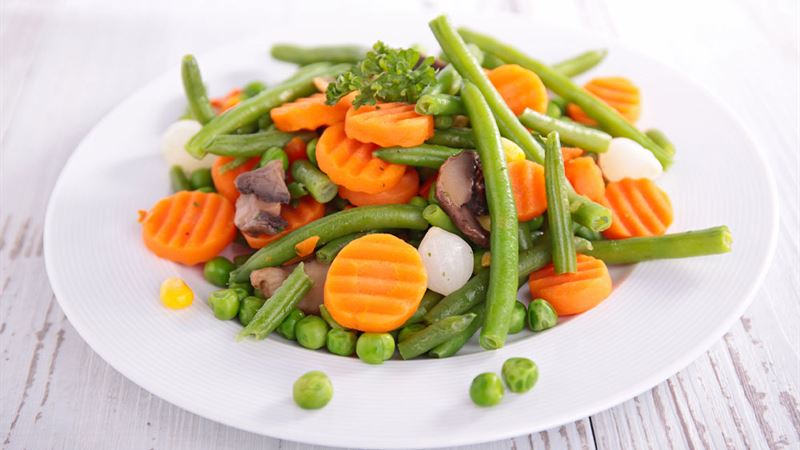
Vegetables like broccoli, kale, spinach, brussels sprouts, asparagus, and carrots contain flavonoids, beta-carotene, and flavonoids that can fight cancer cells. Chewing these vegetables releases enzymes that bolster your body’s capacity to detoxify carcinogens, particularly reducing the risk of prostate, colon, breast, lung, and stomach cancers. Incorporating a variety of these vegetables into your daily diet can have powerful preventive effects.
Nut, Seed, and Legume Powerhouses
Flaxseeds and nuts such as walnuts, almonds, peanuts, and pistachios are rich sources of anti-cancer compounds and healthy fats. Pulses like beans and lentils provide dietary fiber, which is essential for digestive health and has been linked to a lower risk of colorectal cancer. While more research is needed, current studies suggest that consuming these foods regularly may reduce the risk of cancers such as endometrial, pancreatic, and colorectal cancers.
Cancer-Fighting Beverages: Coffee and Tea
Drinks like coffee and tea contain polyphenols and other bioactive compounds that can modulate carcinogenic processes. Evidence suggests that moderate coffee consumption may lower the risk of certain cancers, including liver and colorectal cancers, while tea varieties such as green and black teas have demonstrated potential protective effects due to their antioxidant content.
Connections Between Diet and Cancer Types
Your dietary habits can influence the development and progression of specific cancers. A poor diet lacking in fruits and vegetables may exacerbate certain types of cancer symptoms or risk factors. Here are some examples of cancers affected by diet:
Prostate Cancer and Dietary Interventions
This common cancer in men may be influenced by nutritional choices. A diet high in processed foods and red meats has been associated with increased risk, whereas consuming more fruits, vegetables, and healthy fats may offer protective benefits.
Chronic Lymphocytic Leukemia (CLL)
This blood cancer affects lymphocytes in the bone marrow. While diet is not a direct treatment, supporting immune health through optimal nutrition can play a supplementary role in managing the disease.
Small Lymphocytic Leukemia (SLL) and Nutritional Support
SLL, a form of non-Hodgkin’s lymphoma, impacts B-cells and can be influenced by immune system strength. A diet rich in fruits, vegetables, and omega-3 fatty acids may support immune function during treatment.
Therapeutic Options: VENCLEXTA and Cancer Management
VENCLEXTA® (Venetoclax) is an oral medication used to treat blood cancers like CLL and SLL. It works by inhibiting cancer cell growth and inducing apoptosis, helping to control disease progression. While diet can support overall health, prescribed treatments such as VENCLEXTA are crucial for managing these conditions effectively.
In conclusion, adopting a diet rich in antioxidants, phytochemicals, fibers, and healthy fats can be a vital strategy in lowering the risk of various cancers. While the effectiveness of specific foods may vary, a balanced diet combined with healthy lifestyle choices significantly enhances your body's ability to defend against cancer development. Consult healthcare professionals for tailored dietary advice, especially if you have existing health concerns or are undergoing cancer treatment. Precise nutrition can complement medical interventions, improve quality of life, and possibly extend survival chances for many patients at risk of or battling cancer.