
Essential Nutritional Choices for Cats with Sensitive Skin: A Comprehensive Guide
Discover comprehensive strategies and top-notch dietary options for cats with sensitive skin. This guide covers hypoallergenic foods, vital ingredients, and expert tips to help improve your feline friend’s skin health, coat, and overall wellbeing through tailored nutrition and best practices.
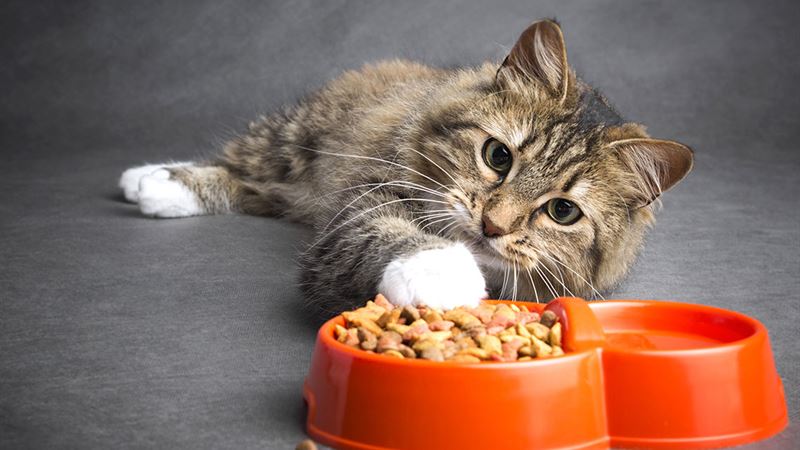
For feline companions experiencing skin issues, the root cause often extends beyond pest infestations. Often, sensitivities or allergies to specific foods or environmental triggers can cause discomfort and skin irritations in cats. While veterinary medications can provide relief, an equally effective approach involves optimizing your pet’s diet to support skin health and overall vitality. Selecting the perfect cat food tailored for sensitive skin is paramount in nurturing their immune defenses, promoting a glossy coat, and maintaining a cheerful disposition. In this extensive guide, we delve into the top dietary options, ingredients to seek or avoid, and expert tips to improve your cat’s skin condition naturally.
Understanding the causes of skin sensitivity in cats is a key first step. Allergic reactions can stem from various sources including food ingredients such as grains, soy, artificial additives, or environmental factors like pollen, dust mites, and chemicals. Identifying and eliminating these triggers can significantly improve their comfort and health. Consult your veterinarian to pinpoint specific sensitivities through allergy testing or elimination diets. Meanwhile, adjusting their nutrition plays a vital role in managing skin issues efficiently.
Opting for High-Quality, Grain-Free Meat-Rich Cat Foods
A primary recommendation for cats with sensitive skin is to choose diets rich in high-quality animal proteins and free from grains, artificial preservatives, and fillers. Meat-centric formulas provide essential amino acids necessary for tissue repair and immune function, as well as beneficial fatty acids like omega-3 and omega-6, which are crucial for skin health and coat shine. For instance, many premium brands now formulate recipes that exclude common allergens such as soy, corn, and gluten, reducing the risk of adverse reactions.
Blue Wilderness™: Meat-Focused Nutrition Supporting Sensitive Skin
The Blue Wilderness™ range offers a variety of protein-packed dry cat foods designed to cater to sensitive skin needs. These formulas incorporate sweet potatoes for complex carbohydrates, ensuring sustained energy while avoiding allergenic grains. An important feature is the inclusion of BLUE LifeSource Bits—precisely balanced kibble infused with antioxidants, vitamins, and minerals that bolster immune function and promote overall wellbeing. Free from harmful ingredients like soy, corn, gluten, and artificial preservatives, these foods are gentle on delicate skin and digestive systems. They contain no meat by-products and are 100% grain-free, making them ideal for food-sensitive cats. The chicken variant is particularly effective for supporting muscle development and maintaining a glossy coat, thanks to its high protein and omega fatty acid content. Taurine, an essential amino acid present in these formulas, aids in the preservation of eye and heart health.
Hill’s™ Science Diet™ for Indoor Cats: Prioritizing Gentle Digestion
Specifically formulated for adult cats residing indoors, Hill’s Science Diet combines wholesome, high-quality ingredients that support digestion and immune health. This formulation exceeds industry standards for nutrient content, ensuring your feline friend receives optimal nourishment. Its fiber-rich composition aids in gentle digestion and stool consistency, while the added vitamins C and E bolster the immune system. Free from artificial flavors, colors, and preservatives, this diet minimizes the risk of allergic reactions or sensitivities in cats with sensitive skin. It’s ideal for cats aged between 1 to 6 years that lead an indoor lifestyle, providing balanced nutrition to keep them vibrant and comfortable.
Natural Balance® L.I.D.: Innovative Limited Ingredient Diets for Sensitive Cats
For cats with pronounced dietary sensitivities, Natural Balance offers a tailored solution through its L.I.D. (Limited Ingredient Diets) series, such as Green Pea & Duck formula. Duck serves as a single animal protein source that’s gentle yet rich in essential nutrients, promoting strength and overall health. These recipes intentionally omit common allergens and potential irritants, thereby reducing the likelihood of skin flare-ups. Grain-free and fortified with omega-3 and omega-6 fatty acids, these foods support skin hydration and coat integrity. Enhanced with vitamins and taurine, they also contribute to better eye health and cardiac function, making them an excellent choice for sensitive cats.
Halo Holistic Sensitive Stomach Seafood Medley: Nourishing the Tummy and Skin
This holistic dry cat food features whole whitefish and salmon sourced from sustainable fisheries, ensuring quality and responsible sourcing. The inclusion of non-GMO vegetables like dried sweet potatoes, cranberries, carrots, and blueberries adds vital phytonutrients and fiber for digestive health. The proteins and whole grains used are easy to digest, making this diet suitable for cats with sensitive stomachs. Enriched with essential fatty acids, vitamins, and fiber, it promotes a shiny coat and healthy skin. Its formulation excludes meat meal, thereby reducing potential allergens and irritants—an excellent option for cats whose skin issues are linked to dietary sensitivities.
Instinct® Grain-Free Chicken Recipe for Kittens: Supporting Growth and Development
This premium canned food offers a high-protein, grain-free recipe specially designed for kittens. Its balanced blend of poultry, fish, and meats ensures a diverse intake of nutrients crucial for robust growth, healthy eyesight, and brain development. The loaf texture appeals to young cats, encouraging adoption and feeding compliance. Rich in natural DHA, this formula supports cognitive development, while the absence of grains, potatoes, soy, corn, by-products, and artificial additives makes it gentle on sensitive tummies. Incorporating such high-quality food into your kitten’s diet can make a noticeable difference in skin health and overall vitality over time.
In conclusion, caring for a cat with sensitive skin involves a thorough understanding of their dietary needs and potential allergens. Choosing foods that emphasize high-quality proteins, minimal fillers, and natural ingredients can significantly improve skin condition, coat health, and general wellbeing. Always consult your veterinarian to tailor dietary changes appropriately and monitor your pet’s progress. Remember, patience and consistency in feeding the right diet are key to achieving optimal results in managing skin sensitivities in cats.