
Ultimate Guide to Homemade Cat Food: Tasty Recipes and Nutritional Tips
Discover a comprehensive guide to making nutritious homemade cat food with tasty recipes like tuna patties, chicken stews, and more. Learn essential dietary tips to keep your feline healthy, shiny, and active. The article emphasizes balanced nutrition, proper ingredients, and preparation methods tailored for cats’ unique needs. Perfect for pet owners seeking natural, homemade solutions for their cats' diet, ensuring they receive all vital nutrients for optimal health. Easy-to-follow recipes make feeding your cat both delicious and nutritious, fostering a stronger bond and better well-being.
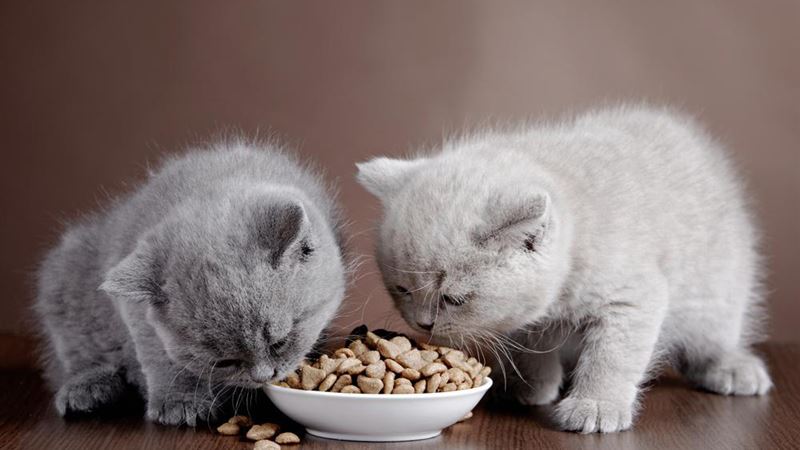
Essential Nutritional Considerations for Homemade Cat Food
Providing animal-based proteins is fundamental for your cat's diet. These proteins can originate from a variety of sources such as chicken, turkey, beef, pork, fish, or liver. Liver, in particular, is highly recommended as it supplies vital vitamin A, which cats cannot produce on their own, making it a valuable addition to their meals. However, it is important to avoid giving the same protein source every day; instead, incorporating a variety of proteins promotes a more balanced diet and prevents allergies caused by repetitive consumption.
Besides protein, dietary fats are critical for maintaining healthy skin, glossy fur, and proper bodily functions. Animal fats from sources like salmon oil, chicken fat, or fish oil can enhance palatability and nutritional value. The fat content should be carefully balanced: kittens require about 35% fat, while adult cats need approximately 30%. Proper levels of calcium and phosphorus, ideally in a 1:1.3 ratio, are vital for bone health; calcium supplements can be utilized to achieve this balance.
Water content in homemade cat food should be maintained between 10-30% to keep your pet hydrated and aid digestion. Additionally, carbohydrate intake should be limited to less than 10%, focusing primarily on proteins and healthy fats. Poor carbohydrate concentration prevents obesity and related health issues in cats.
- Basic Homemade Cat Food
Combining cooked animal proteins such as chicken, fish, or beef with a small amount of olive oil or salmon oil can create a balanced meal. Incorporate cooked vegetables like potatoes (without skin), pasta, rice, barley, oats, or peas. Adding a feline-specific vitamin or mineral supplement boosts nutritional completeness. Blend all ingredients into a smooth mixture and store it in the refrigerator for daily serving. This meal provides a wholesome, easy-to-prepare option for everyday feeding. - Tuna Patties
Drain canned tuna thoroughly to remove excess moisture. Mix the tuna with cooked rice, pureed liver, and freshly chopped parsley. Form the mixture into small balls or patties and refrigerate. Serve these as a tasty, protein-rich treat for your cat. The combination offers healthy fats, vitamins, and minerals essential for their health. - Hearty Rabbit Stew
Fry boneless chunks of rabbit meat in a small amount of olive oil until browned. Season lightly with herbs such as parsley, rosemary, marjoram, and thyme. Add unsalted vegetable stock and bring to a boil. Reduce heat, cover, and simmer. Then, incorporate chopped sweet potatoes, carrots, celery, leeks, turnips, and peas into the stew and cook until tender. Once cooled, serve a portion of this nutritious stew to your feline. Not only is this dish great for cats, but it’s also suitable for human consumption, making it a versatile and wholesome meal option.
Creating homemade cat food requires attention to nutritional balance and ingredient quality. Regularly consulting with a veterinarian ensures that your pet’s dietary needs are precisely met. These recipes offer a variety of tasty options to keep your feline companion satisfied and healthy, fostering a stronger bond and better quality of life.