
Understanding the Main Causes of HIV Transmission
This detailed article explores the main causes of HIV transmission, including sexual activity, needle sharing, mother-to-child spread, accidental exposure, and blood transfusions. It emphasizes preventive strategies like safe sex practices, using sterile needles, and proper medical protocols. Understanding these routes helps in reducing new infections and promotes awareness to combat HIV/AIDS effectively. The article also clarifies common misconceptions and highlights the importance of education and safety measures to protect individuals and communities from HIV.
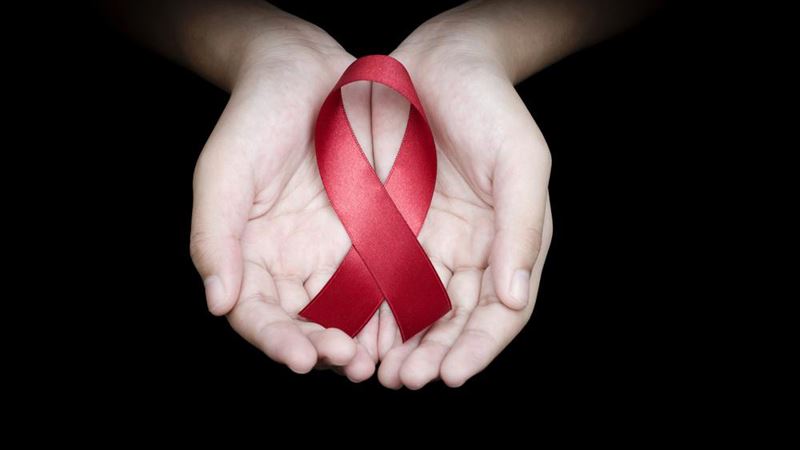
HIV, the virus responsible for AIDS, can spread through various pathways, often involving bodily fluids or direct contact. Although many associate HIV primarily with sexual activity, it's essential to understand all possible routes of transmission to promote awareness and prevention. This comprehensive guide explores the primary causes behind HIV spread, emphasizing safe practices, common misconceptions, and effective preventative measures.
One significant route of transmission is through unprotected sexual contact. Whether during vaginal, anal, or oral sex, the risk varies depending on several factors. While oral sex generally carries a lower risk compared to other sexual activities, certain conditions can heighten the possibility of transmission. For instance, if there are open sores, ulcers, or bleeding gums in the mouth, or if the partner has active HIV infection, the chance of transmission increases. Typically, the risk of acquiring HIV through oral sex is minimal, especially when protective barriers like condoms or dental dams are used consistently.
However, the risk isn't entirely absent. For example, if a person with HIV ejaculates in the mouth, or if there are cuts or abrasions present, exposure may be possible. The risk for the receptive partner, regardless of gender, depends on factors such as the presence of blood, semen, or vaginal fluids that may contain the virus. During periods such as menstruation, the presence of blood can slightly elevate the risk, especially if combined with other risk factors. Being informed about these nuances empowers individuals to make safer sexual choices.
Another prevalent transmission method involves sharing contaminated needles or syringes. Intravenous drug users who inject substances using unsterilized equipment risk transmitting HIV if the needles have been used by an infected person. Blood left in the syringe after injection can contain the virus, which then infects the next user. This accentuates the critical importance of using sterile needles, not sharing injection paraphernalia, and promoting harm reduction programs to curb new infections among drug users.
Mother-to-child transmission remains a significant concern worldwide. An HIV-positive pregnant woman can pass the virus to her baby during pregnancy through the placenta or at birth through contact with infected blood. Post-birth, the infant may contract the virus via breastfeeding if the mother is not receiving proper treatment. To prevent mother-to-child transmission, pregnant women should undergo antiretroviral therapy, and healthcare providers can recommend safe delivery practices and alternatives to breastfeeding where feasible.
In addition, casual or accidental exposure to bodily fluids poses another risk. Healthcare professionals, especially those handling blood or performing invasive procedures, must adhere strictly to infection control protocols. Accidental needle sticks, cuts, or contact with HIV-infected fluids can result in transmission if proper precautions are not followed. Using gloves, sterilizing equipment, and following universal precautions dramatically reduce the risks in medical settings.
Lastly, blood transfusion is a recognized route of HIV transmission if the blood supply is not properly screened. Blood donations should always undergo rigorous testing for HIV and other infections before transfusion. Despite advancements in screening technology, lapses can occur, underscoring the importance of robust blood safety protocols.
In conclusion, understanding the primary causes of HIV spread is crucial for both individual protection and public health. Practicing safe sex, avoiding sharing needles, ensuring safe childbirth, adhering to occupational safety standards, and protecting the blood supply are key measures to reduce HIV transmission. Continued education and awareness are essential tools in the fight to end HIV/AIDS worldwide.
One significant route of transmission is through unprotected sexual contact. Whether during vaginal, anal, or oral sex, the risk varies depending on several factors. While oral sex generally carries a lower risk compared to other sexual activities, certain conditions can heighten the possibility of transmission. For instance, if there are open sores, ulcers, or bleeding gums in the mouth, or if the partner has active HIV infection, the chance of transmission increases. Typically, the risk of acquiring HIV through oral sex is minimal, especially when protective barriers like condoms or dental dams are used consistently.
However, the risk isn't entirely absent. For example, if a person with HIV ejaculates in the mouth, or if there are cuts or abrasions present, exposure may be possible. The risk for the receptive partner, regardless of gender, depends on factors such as the presence of blood, semen, or vaginal fluids that may contain the virus. During periods such as menstruation, the presence of blood can slightly elevate the risk, especially if combined with other risk factors. Being informed about these nuances empowers individuals to make safer sexual choices.
Another prevalent transmission method involves sharing contaminated needles or syringes. Intravenous drug users who inject substances using unsterilized equipment risk transmitting HIV if the needles have been used by an infected person. Blood left in the syringe after injection can contain the virus, which then infects the next user. This accentuates the critical importance of using sterile needles, not sharing injection paraphernalia, and promoting harm reduction programs to curb new infections among drug users.
Mother-to-child transmission remains a significant concern worldwide. An HIV-positive pregnant woman can pass the virus to her baby during pregnancy through the placenta or at birth through contact with infected blood. Post-birth, the infant may contract the virus via breastfeeding if the mother is not receiving proper treatment. To prevent mother-to-child transmission, pregnant women should undergo antiretroviral therapy, and healthcare providers can recommend safe delivery practices and alternatives to breastfeeding where feasible.
In addition, casual or accidental exposure to bodily fluids poses another risk. Healthcare professionals, especially those handling blood or performing invasive procedures, must adhere strictly to infection control protocols. Accidental needle sticks, cuts, or contact with HIV-infected fluids can result in transmission if proper precautions are not followed. Using gloves, sterilizing equipment, and following universal precautions dramatically reduce the risks in medical settings.
Lastly, blood transfusion is a recognized route of HIV transmission if the blood supply is not properly screened. Blood donations should always undergo rigorous testing for HIV and other infections before transfusion. Despite advancements in screening technology, lapses can occur, underscoring the importance of robust blood safety protocols.
In conclusion, understanding the primary causes of HIV spread is crucial for both individual protection and public health. Practicing safe sex, avoiding sharing needles, ensuring safe childbirth, adhering to occupational safety standards, and protecting the blood supply are key measures to reduce HIV transmission. Continued education and awareness are essential tools in the fight to end HIV/AIDS worldwide.