This comprehensive guide highlights key strategies to prevent HIV infection, emphasizing regular testing, safe sex practices, and proper use of protective measures. It underscores the importance of open communication with healthcare providers and partners, as well as abstaining from sharing needles, to reduce the risk of HIV transmission effectively. Stay informed and proactive in safeguarding your health with these essential prevention tips.
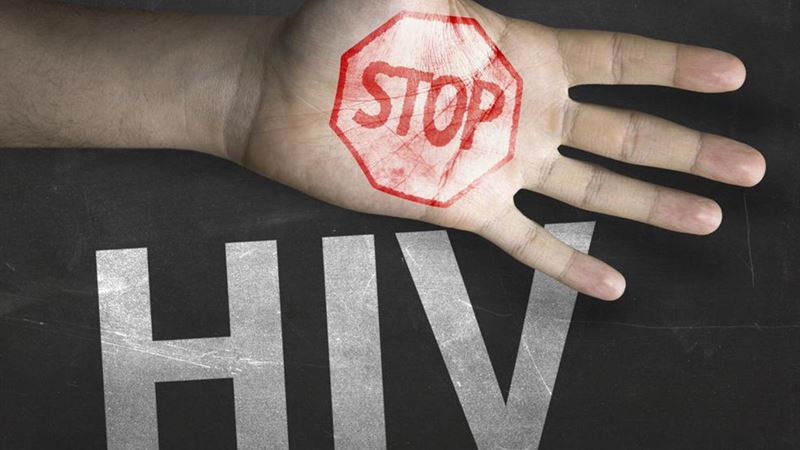
If you're concerned about the possibility of having been exposed to HIV or are unsure whether you're showing symptoms, the first step is to visit your healthcare provider promptly. Undergoing comprehensive testing is crucial for early detection and peace of mind. Regular check-ups and confidential tests can help identify infections in their initial stages, making treatment more effective. Discuss with your doctor whether you might benefit from pre-exposure prophylaxis (PrEP) or other preventive medications that significantly reduce the risk of HIV transmission. These medications are particularly recommended for individuals at higher risk due to lifestyle or occupational exposure. Understand that anyone can contract HIV at any point in their life. It's vital to adopt preventive habits to minimize your risk and stay protected. Regularly get tested for HIV and other sexually transmitted infections (STIs). Open communication with your partner about their health status and encouraging mutual testing is instrumental in prevention. If concerned, both partners should consider testing before engaging in sexual activity. Consistently use protection during sexual activity. Condoms remain the most effective barrier method to prevent HIV and other STIs. Remember that contraceptive pills do not provide protection against sexually transmitted infections and are only effective for pregnancy prevention. Limit the number of sexual partners. The more individuals you engage with sexually, the higher your exposure risk to HIV. Maintaining a smaller circle of partners and practicing safe sex reduces this risk considerably. Schedule routine screenings for HIV and other STIs with your healthcare provider, ideally before and after new sexual encounters. Regular testing ensures early detection and management if necessary. Avoid sharing needles or using non-sterile injection equipment. Always use new, sterile needles for any injections, whether for medication or recreational drug use. Pay attention to other symptoms that might be related to infections, and seek medical evaluation if abnormalities occur. Early diagnosis and treatment of any infections reduce the risk of HIV transmission and progression to AIDS.
