
Comprehensive Guide to Choosing the Perfect Car and Truck Tires: Essential Tips and Insights
This comprehensive guide covers all aspects of selecting the right car and truck tires, including understanding specifications, Vehicle-specific needs, brand considerations, purchasing tips, and maintenance practices. Proper tire selection ensures safety, durability, and optimal vehicle performance, helping drivers make informed decisions whether buying new tires or upgrading existing ones. The article emphasizes the importance of matching tires to your vehicle’s requirements and maintaining them properly for longevity and safety. Essential insights for drivers seeking reliable, long-lasting tires in today’s market.
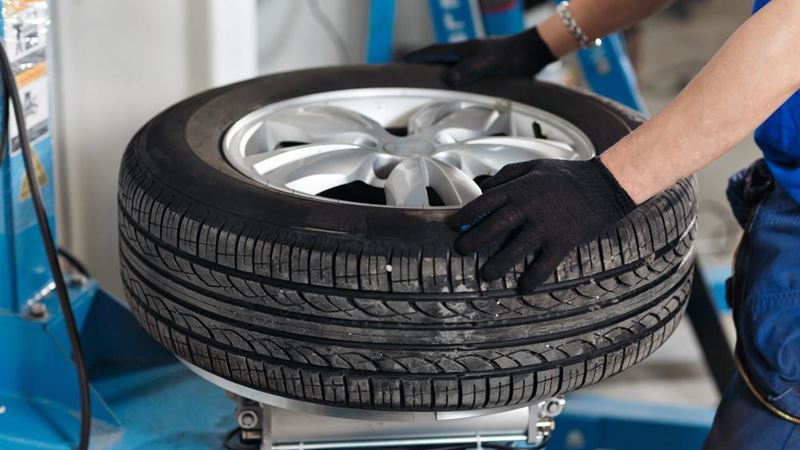
Understanding Tire Markings and Specifications
Before purchasing a tire, it’s vital to decode the information printed on its sidewall. These markings provide critical details about the tire's construction, size, and performance capabilities. The tire code typically includes parameters such as width, aspect ratio, diameter, load index, and speed rating. Recognizing these codes helps you select a tire that matches your vehicle's specifications and driving needs.
For example, a code like P215/65R15 indicates a passenger vehicle tire that is 215 millimeters wide, with an aspect ratio of 65%, designed for a 15-inch wheel diameter, with a radial construction (R). The load index and speed rating further specify the maximum weight the tire can support and the maximum speed it can safely handle. Ensuring these parameters align with your vehicle’s requirements is essential to maintain safety and performance.
Moreover, seasonal suitability is another critical aspect. Some tires are designed specifically for summer, winter, or all-season use. Choosing the right type depends on your local climate and driving conditions. For instance, winter tires often feature deeper treads and softer rubber compounds for better grip in icy conditions, whereas summer tires focus on handling and speed in warmer weather.
Choosing Between Different Vehicle Types and Tire Ratings
One of the fundamental steps in selecting the correct tires involves distinguishing between the types suitable for your vehicle—be it a passenger car, SUV, light truck, or heavy-duty vehicle. Each vehicle category has specific tire requirements, determined by manufacturer recommendations and intended use patterns.
For example, SUV tires often need to support higher loads and endure different driving conditions compared to standard passenger car tires. Light truck tires, on the other hand, require higher load capacities and often have reinforced sidewalls for durability. Understanding these distinctions ensures you purchase tires that optimize your vehicle's performance and safety.
Furthermore, selecting the appropriate speed rating is crucial. Tires with higher speed ratings (such as V or W) can withstand greater speeds but tend to generate more heat during prolonged use, leading to faster wear. Conversely, tires with lower speed ratings may be less suitable for high-speed driving but offer better longevity under everyday conditions. Balancing these considerations based on your typical driving habits helps in making informed choices.
Brand Considerations and Building Your Tire Preferences
Brand reputation plays a significant role in tire selection. While some consumers are loyal to specific brands due to past experiences or perceived quality, it’s vital to understand why a particular brand appeals to you. Factors such as durability, safety features, technological innovations, and price can influence your decision.
Researching customer reviews and manufacturer warranties can provide insight into a brand's reliability. Premium brands tend to offer advanced safety features and longer-lasting compounds, but at a higher price. Budget-friendly options can still provide good performance if chosen carefully—look for certifications and reviews to validate their quality.
It’s equally important to consider how the brand’s specific features complement your vehicle’s needs. For example, some brands specialize in all-season tires with excellent grip and long tread life, while others focus on high-performance summer tires for sporty driving. Familiarizing yourself with brand offerings ensures your purchase aligns with your expectations and driving conditions.
Practical Tips for Tire Purchasing
- Always refer to your vehicle’s owner manual to identify the precise tire size and specifications required by your car. Using the recommended sizes ensures proper fit, handling, and safety.
- Prioritize your driving needs—whether you seek a comfortable ride, superior handling, fuel efficiency, or durability. Different tires are designed to excel in these areas, so choose accordingly.
- Ensure the tires you choose are rated to support your vehicle’s weight capacity. Correct load capacity prevents premature tire wear and potential safety hazards.
- Avoid the temptation to buy more tires than necessary, even if attractive deals are available. Purchasing only what’s needed maintains cost-effectiveness and avoids storage or disposal issues.
Remaining Trend-Disciplined in Tire Selection
Market trends often influence consumer behaviors, such as the rising popularity of oversized or plus-sized tires. While these can enhance the aesthetic appeal and sometimes the performance of your vehicle, it’s crucial to ensure compatibility with your vehicle’s wheel wells and suspension systems. Always adhere to manufacturer recommendations, which specify allowable size variations—typically within a 3% plus or minus range from the original diameter.
Overestimating your tire needs can lead to reduced comfort, increased fuel consumption, and potential safety issues. Instead, focus on durable, all-season tires that suit your local driving conditions and provide consistent performance across different terrains and weather conditions.
Maintenance and Care for Longevity
Regular maintenance prolongs the lifespan of your tires and enhances safety. Basic practices include maintaining proper inflation pressures, rotating tires at recommended intervals, and aligning wheels regularly. Proper inflation helps optimize fuel efficiency and tire wear, preventing uneven tread deterioration.
Monitoring tread depth and inspecting for damage or embedded objects helps identify issues early, avoiding sudden failures. When selecting an all-season tire, choose one with durable compounds and features that resist cracking and wear over time.
Seasonal tire changes should be complemented by storing tires in a cool, dry place away from direct sunlight. Proper storage preserves the rubber's integrity, extending the life of your tires.
In conclusion, investing time and effort into choosing the right tires and maintaining them properly results in safer driving experiences, cost savings, and enhanced vehicle performance. Make informed decisions based on your driving habits, vehicle specifications, and local conditions for the best long-term results.