
Comprehensive Guide to Selecting the Perfect Car Tires for Your Vehicle
Selecting the ideal car tires demands careful consideration of size, type, and personal driving needs. This comprehensive guide offers detailed insights into choosing tires that enhance your vehicle's performance, safety, and longevity. Understand how to identify the correct size, explore different tire types for various driving conditions, and learn how to pick the most suitable tires based on your lifestyle. Make informed decisions with expert tips to ensure your tires meet industry standards and provide optimal durability and safety on every journey.
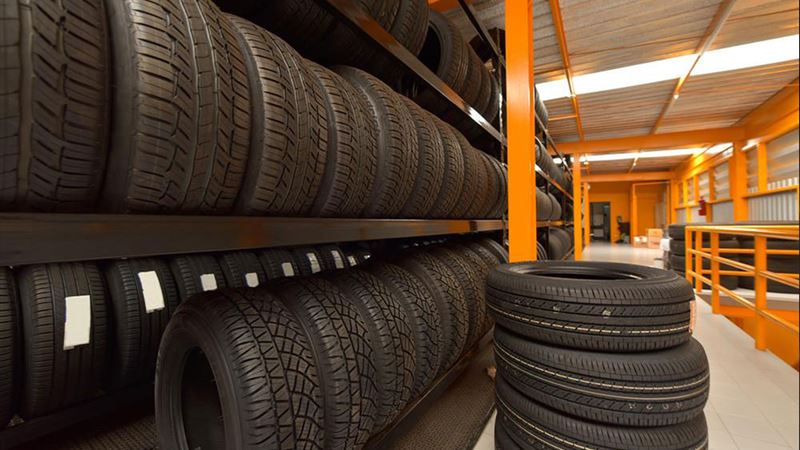
Determining the Correct Size – The first step in selecting suitable tires is to identify the correct size. This information is usually found on the tire placard located on the driver’s side door frame or within the vehicle’s owner’s manual. The label specifies various measurements such as tire diameter, section width, and aspect ratio. It also provides the recommended load index and speed rating for your vehicle. While there is flexibility to choose tires with a higher load capacity or speed rating, the dimensions must comply with your vehicle’s specifications. Choosing the appropriate size ensures proper fitment, optimal handling, and fuel efficiency.
Understanding Different Tire Types – Tires come in multiple types, each designed to cater to specific driving conditions and needs. The most common categories include all-season tires, summer tires, winter or snow tires, all-terrain tires, performance tires, and ultra-high-performance tires. All-season tires are popular among driver communities because of their balanced performance across various weather conditions. Summer tires excel in dry and wet summer conditions but perform poorly in cold and snowy environments. Winter tires are specially designed with unique rubber compounds and tread patterns to provide superior traction in snow and ice. All-terrain tires are engineered for vehicles that frequently traverse unpaved, rugged terrain, offering durability and traction on diverse surfaces. Ultra-high-performance tires are tailored for sports cars and vehicles that demand maximum handling and speed. When choosing a tire type, consider the typical driving conditions and terrain your vehicle will encounter most often.
Selecting the Best Tire Based on Your Needs – After narrowing down the size and type, focus on additional features and qualities aligned with your specific needs. This includes considerations such as tire appearance, brand reputation, budget constraints, and specific performance attributes like noise level, comfort, fuel efficiency, and tread life. It's essential to evaluate your driving habits and prioritize features that enhance safety and satisfaction. Don’t rush the decision-making process — take your time to research different brands, read reviews, and compare prices. Remember, investing in high-quality tires tailored to your driving requirements can lead to better performance, longer lifespan, and increased safety on the road.
In conclusion, choosing the right car tires involves understanding your vehicle’s specifications, the driving environment, and your personal preferences. Properly selected tires improve your vehicle’s handling, fuel efficiency, safety, and overall driving comfort. Always consult with professional tire retailers or automotive service experts to get personalized advice and ensure your choices meet industry standards and your vehicle’s needs. Regular maintenance and timely replacements will ensure your tires perform optimally throughout their lifespan, offering peace of mind and safety every time you hit the road.