
Early Warning Signs of Brain Tumors You Should Recognize
Recognize the early warning signs of brain tumors, including headaches, nausea, sensory changes, seizures, memory issues, and consciousness loss. Early diagnosis through awareness and medical evaluation is vital for better outcomes and effective treatment. This comprehensive guide helps you understand these symptoms to promote timely medical intervention, improving prognosis and quality of life.
Detecting a brain tumor early can significantly influence treatment options and outcomes. However, recognizing the initial symptoms is often challenging because they can be subtle and vary from person to person. Some signs may be mistaken for common ailments, delaying diagnosis. Understanding these early indicators can empower individuals to seek timely medical advice, which is essential for better management. This comprehensive guide discusses the most common early symptoms associated with brain tumors, helping you stay informed and vigilant.
Headaches are a typical complaint among many, but in cases of brain tumors, their pattern can differ markedly from regular headaches. These headaches might be persistent, more intense in the morning, or worse with specific movements or positions. The intensity and frequency may increase over time, resisting typical pain relief measures. Recognizing these atypical headache patterns is crucial for early detection. Often, these headaches are accompanied by other neurological symptoms, making them a red flag for serious underlying issues.
Nausea and Vomiting frequently accompany brain tumors. Unlike typical nausea caused by gastrointestinal problems, nausea linked to brain tumors may be persistent and not related to eating habits. It can occur at any time, including during the night, and often pairs with vomiting that appears unexplained by other common causes. This symptom results from increased intracranial pressure affecting the brain’s normal functioning. The presence of persistent nausea warrants further medical evaluation to rule out serious conditions like tumors.
Alterations in Sensory Perception can serve as early signs of brain tumors. These changes may involve vision, hearing, taste, smell, or speech. For instance, one might notice blurred vision, double vision, ringing in the ears, or a diminished sense of smell or taste. Speech difficulties, such as trouble finding words or understanding speech, may also occur. These sensory disturbances are caused by pressure or infiltration of brain regions responsible for sensory processing. Prompt recognition and medical assessment are essential if such symptoms occur suddenly or escalate rapidly.
Seizures are often among the early warning signs of brain tumors. Seizures can manifest as brief episodes of loss of sensation or movement, twitching, or full-body convulsions. Some individuals may experience simple seizures involving localized symptoms, while others may have more severe, generalized seizures affecting the entire body. Seizures occur due to abnormal electrical activity in the brain caused by the tumor mass disrupting normal neural function. If seizures happen unexpectedly, medical attention must be sought immediately for diagnosis and management.
Another critical symptom is the loss of consciousness or awareness. This can be partial or complete and may be transient or prolonged. Such episodes might resemble fainting or trance-like states, often confused with other conditions. Loss of awareness indicates significant brain involvement and demands urgent evaluation. Delayed diagnosis can lead to worsening of neurological deficits and complicate treatment options.
Memory Problems and Cognitive Changes frequently emerge as early signs of a brain tumor. Patients might feel confused, experience difficulty concentrating, or forget recent information. Behavioral alterations, such as mood swings, irritability, or personality changes, may be observed. These symptoms are attributed to tumor effects on areas responsible for cognition and emotion regulation. Additionally, fatigue and decreased alertness are common, further impairing daily functioning. Recognizing these subtle cognitive symptoms can lead to early diagnosis, improving treatment success.
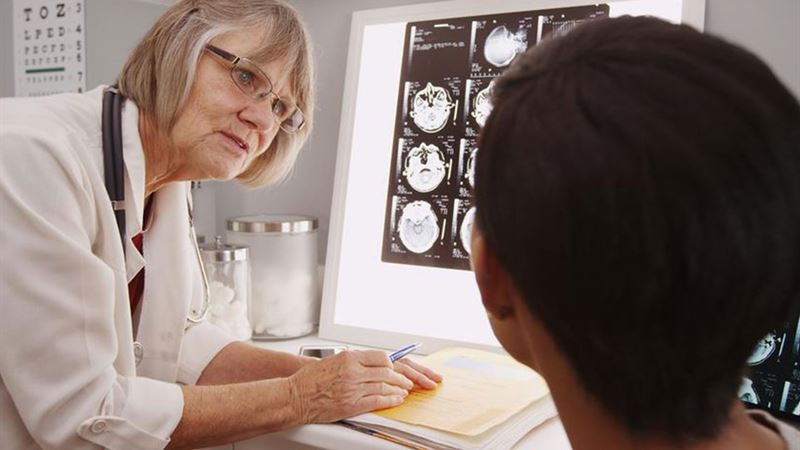
It's essential to consult a healthcare professional if any of these symptoms appear or worsen over time. A thorough physical examination, neurological assessment, and appropriate imaging tests like MRI or CT scans are crucial to confirm the diagnosis. Early detection of a brain tumor can improve prognosis and expand treatment options. Do not ignore persistent or unusual neurological signs—your vigilance could save your life.