
Comprehensive Guide to Managing and Treating Concussions Effectively
Learn comprehensive strategies for managing concussions effectively, including when to seek hospital care, home treatment tips, activity restrictions, and monitoring guidelines to ensure safe and full recovery from brain injuries.
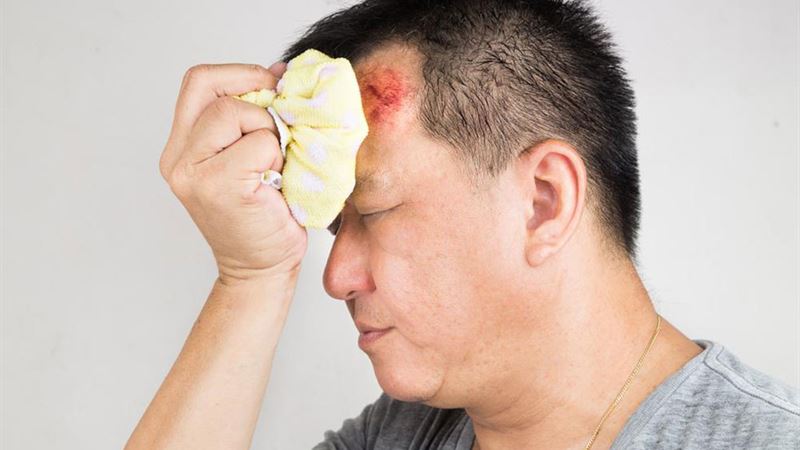
Concussions are a common yet serious type of brain injury resulting from a blow or jolt to the head or body. Proper management and timely treatment are crucial to ensure full recovery and to prevent potential complications. While some cases may require hospital observation, many mild cases can be managed at home with proper care and caution. Recognizing the severity of a concussion and adhering to appropriate treatment protocols can make a significant difference in outcomes. This detailed guide covers essential strategies to treat and recover from a concussion, ensuring you understand the necessary steps to safeguard your health.
Understanding Concussions and Their Impact
A concussion occurs when the brain moves rapidly within the skull, often caused by a direct blow or jolt to the head. The force results in temporary neurological dysfunction, which can range from mild to severe. Symptoms such as headache, dizziness, confusion, memory issues, nausea, sensitivity to light or noise, and even loss of consciousness can manifest. The brain's delicate tissues are vulnerable, and improper management can lead to prolonged symptoms or more serious complications such as post-concussion syndrome or brain swelling.
It’s critical to understand that individual responses to brain injuries vary. Some individuals recover swiftly, experiencing minimal residual effects, while others may face extended periods of discomfort and cognitive challenges. Consequently, prompt, appropriate care becomes vital for all levels of severity.
Hospital Admission and Monitoring
In more severe cases, medical professionals might recommend hospital admission for observation over several days. During this period, healthcare providers monitor neurological functions, manage symptoms, and prevent potential complications. Hospital stays allow for advanced diagnostics, such as brain imaging, to rule out any bleeding or structural damage.
On the other hand, mild concussions can sometimes be managed at home. However, even in less severe cases, vigilant supervision by caregivers is essential to quickly identify any changes in mental status or worsening symptoms, which might necessitate immediate medical attention.
Critical Steps in Home Care and Recovery
- Prioritize Rest and Sleep: Adequate sleep is fundamental in concussion recovery. Aim for at least a 10-12 hour sleep period overnight. Rest minimizes brain activity that could exacerbate symptoms. It’s advisable to avoid strenuous activities during this period to facilitate healing.
- Avoid Alcohol and Recreational Drugs: Alcohol and recreational substances can impair cognitive functions and interfere with recovery. They may also increase the risk of secondary injuries if the brain is still vulnerable.
- Follow Medical Prescriptions Strictly: Adherence to prescribed medications is essential. Never self-medicate with over-the-counter drugs or other medications without consulting your healthcare provider, as some substances can worsen symptoms or cause adverse reactions.
- Limit Physical and Mental Activity: During recovery, activities that demand physical exertion or mental concentration should be avoided. This includes schoolwork, homework, office tasks, screen time, video games, and intense physical exercises. Resting the brain helps diminish symptoms and accelerates healing.
- Prevent Further Injury: It’s important to avoid activities that might lead to another head injury. Even minor bumps can prolong recovery or cause additional damage. Be cautious while moving or participating in daily activities.
- Do Not Drive or Operate Machinery: Operating vehicles or heavy machinery while experiencing concussion symptoms is dangerous. Wait until your healthcare provider clears you for such activities, usually after symptom resolution.
- Use Cold Therapy for Swelling: Applying ice or cold packs can help reduce swelling and soothe headaches. Wrap ice packs in a thin cloth before applying to the head for short intervals, typically 15-20 minutes at a time.
Monitoring and Follow-Up
Regular follow-up with your healthcare provider is essential to track recovery and address any persisting symptoms. In case symptoms worsen or new issues develop, immediate medical attention is necessary to rule out complications such as bleeding or structural brain injuries. Be vigilant for signs like severe headache, vomiting, loss of consciousness, weakness, or changes in vision.
Gradual Return to Normal Activities
Once symptoms subside, a slow reintroduction to routine activities is recommended under medical supervision. This gradual approach helps prevent relapse or setbacks. Cognitive rest should precede more demanding tasks like physical exercise, work, or sports.
In summary, managing a concussion effectively involves appropriate medical care, adequate rest, avoidance of exacerbating activities, and careful monitoring to ensure full recovery. Understanding and following these guidelines can significantly improve outcomes and reduce the risk of long-term effects.