
Essential Advantages of Regularly Changing Your Vehicle's Oil
Keeping your vehicle's engine well-maintained through regular oil changes offers numerous benefits, including prolonged engine life, improved fuel efficiency, and reduced environmental impact. This article explores why timely oil changes are essential, how to recognize when they are needed, and tips for maintaining optimal engine health to ensure a safer, more efficient driving experience.
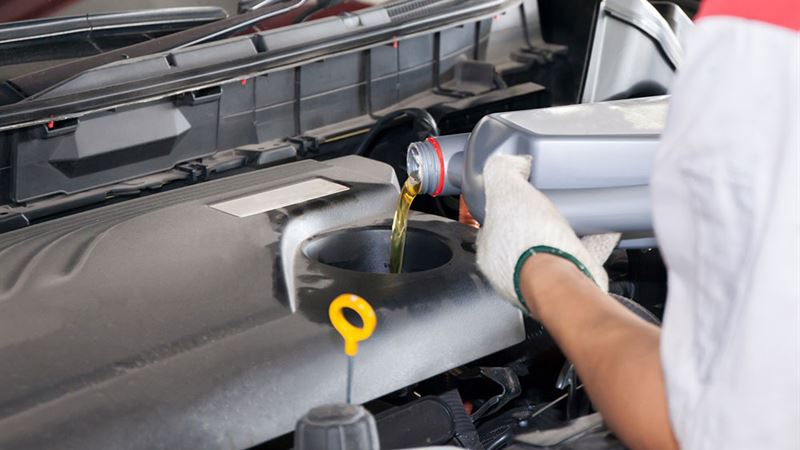
Prolongs Engine Durability and Functionality
One of the primary benefits of regular oil replacements is the substantial increase in engine lifespan. New, clean oil ensures all moving parts are adequately lubricated, which reduces wear and tear over time. As oil ages, it accumulates dirt, metal shavings, and other contaminants that compromise its ability to lubricate effectively. These impurities can lead to increased friction, overheating, and eventual damage to critical engine components.
Engine wear is a significant factor contributing to vehicle breakdowns. By consistently replacing old oil with fresh lubricant, car owners can protect vital parts such as pistons, cylinders, valves, and crankshafts. Doing so not only prevents premature engine failure but also maintains optimal performance, saving you money on costly repairs and replacements.
Optimizes Fuel Efficiency and Cost Savings
Fuel economy is a crucial aspect of vehicle ownership, influencing both your budget and environmental footprint. A well-maintained engine runs smoothly and consumes fuel more efficiently. Dirty or degraded oil can cause increased friction and resistance within the engine components, leading to inefficient combustion and higher fuel consumption.
Regular oil changes keep the engine clean and functioning at peak performance. Consequently, your vehicle requires less fuel to operate effectively, resulting in fewer visits to gas stations and significant savings over time. Enhanced engine efficiency also extends the lifespan of spark plugs, fuel injectors, and other engine parts, reducing long-term maintenance costs.
Environmental Impact and Eco-Friendly Benefits
Proper vehicle maintenance, including frequent oil changes, also benefits the environment. Used engine oil contains harmful hydrocarbons and other pollutants that can contaminate soil and water if disposed of improperly. When engine oil is fresh and clean, it more effectively captures and contains these hazardous substances, reducing the emission of pollutants into the atmosphere.
Furthermore, engines that operate with clean oil produce fewer emissions, helping your vehicle pass regulatory emission tests with ease. This not only keeps your vehicle compliant with environmental regulations but also contributes to reducing your carbon footprint and supporting global efforts to combat pollution.
How Often Should You Change Your Car Oil?
Most vehicle manufacturers recommend oil changes every 3,000 to 5,000 miles or approximately every 3 to 6 months, depending on driving conditions and oil type. Modern synthetic oils can last longer, sometimes up to 7,500 or even 10,000 miles. It's essential to consult your vehicle's manual for specific guidelines and consider driving habits. Short trips, stop-and-go traffic, or towing may necessitate more frequent oil changes to ensure optimal engine health.
Signs Indicating the Need for an Oil Change
- Engine oil appears dark and gritty
- Oil has a burnt smell
- Dashboard warning light is illuminated
- Engine makes unusual noises or runs rough
- Reduced fuel efficiency observed
- Oil level is below the recommended mark
Additional Tips for Maintaining Engine Health
- Regularly check oil levels and top up if necessary
- Use the recommended oil type for your vehicle
- Have your oil changed by certified professionals
- Keep an eye on engine performance and address issues promptly
- Schedule comprehensive vehicle inspections periodically
Conclusion: Invest in Regular Oil Changes for a Smarter, Safer Drive
Maintaining a routine schedule for changing your vehicle’s oil is among the most cost-effective and impactful ways to extend the life of your engine. Not only does it prevent costly repairs, but it also boosts fuel efficiency, reduces environmental impact, and ensures your vehicle runs smoothly every mile of the way. Make oil changes a priority, and your car will thank you with reliable performance, safety, and longevity for years to come.