
Comprehensive Guide to Performing Your Car's Oil Change
Learn detailed, step-by-step techniques for changing your car’s engine oil, ensuring optimal engine performance. This comprehensive guide covers preparation, draining old oil, replacing the filter, and refilling with fresh oil. Regular oil maintenance enhances engine longevity and fuel efficiency. Whether DIY or professional service, understanding the process helps vehicle owners maintain their car's health. Follow safety tips and environmentally responsible disposal methods to keep your car running smoothly and protect the environment. Perfect for car enthusiasts and everyday drivers alike.
• Preparing the Engine and Vehicle: Before starting the oil change process, warm up your engine by driving it for about 10-15 minutes. This warms the oil, making it circulate more freely and flow out more easily. Park your vehicle on a level surface—preferably your garage floor or a flat driveway. To lift the car safely, use a hydraulic jack to raise it slightly and support it with jack stands to prevent any accidental movement. Always ensure the vehicle is stable and secure before proceeding.
• Draining Old Oil: The oil drain plug is positioned at the bottom of the engine oil pan. Underneath the vehicle, place a drain pan or container capable of catching several quarts of oil. Carefully loosen the drain plug using a wrench, allowing the oil to flow out slowly. Be meticulous to prevent spillage, which can cause a slip hazard and environmental pollution. It’s advisable to loosen the plastic cap or cover behind the drain to guide the oil into your collection container. Also, locate and replace the oil filter—this component traps debris and contaminants. Removing the old filter requires a filter wrench; lubricate the new filter’s gasket with a bit of fresh oil before installing to ensure a good seal.
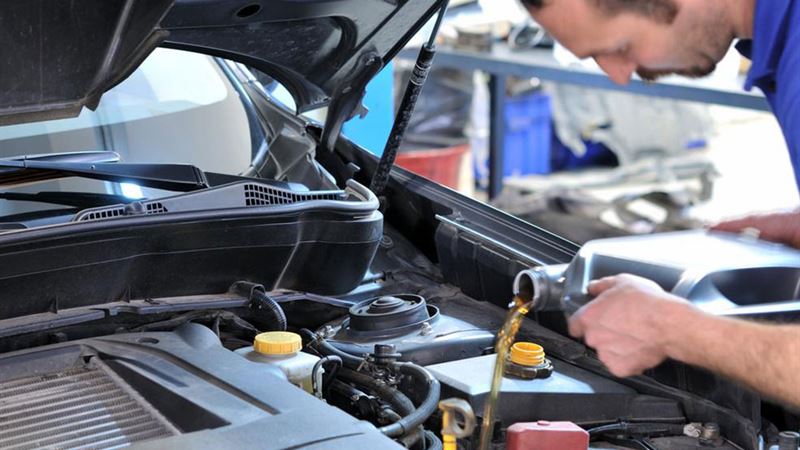
• Refilling With New Oil: After the old oil has completely drained, replace the drain plug securely. Next, locate the oil fill cap on top of the engine, usually labeled 'Oil' or with an oil can symbol. Consult your vehicle’s manual to determine the correct amount and type of oil recommended. Using a funnel minimizes spills, so pour the fresh oil gradually into the reservoir. Periodically check the dipstick to monitor the oil level and prevent overfilling. Once filled to the appropriate level, screw the cap back on tightly. Start the engine and let it run for a few minutes—about 2 to 3—to circulate the new oil through the engine components. Finally, turn off the engine, wait a few minutes, and recheck the oil level, topping up if necessary.